Energy Efficiency and Cost Savings That Transform Operations
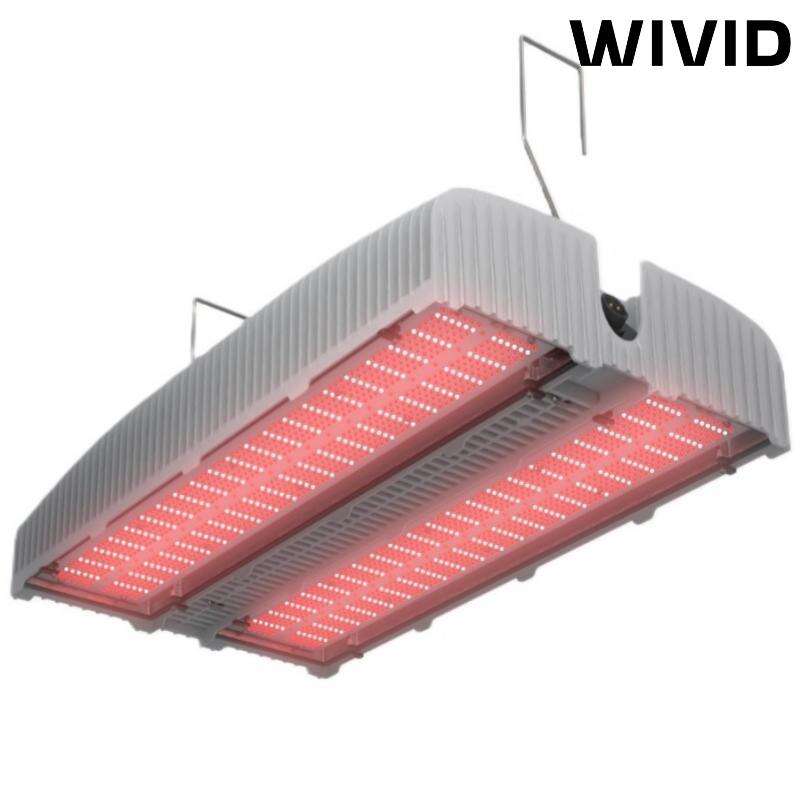
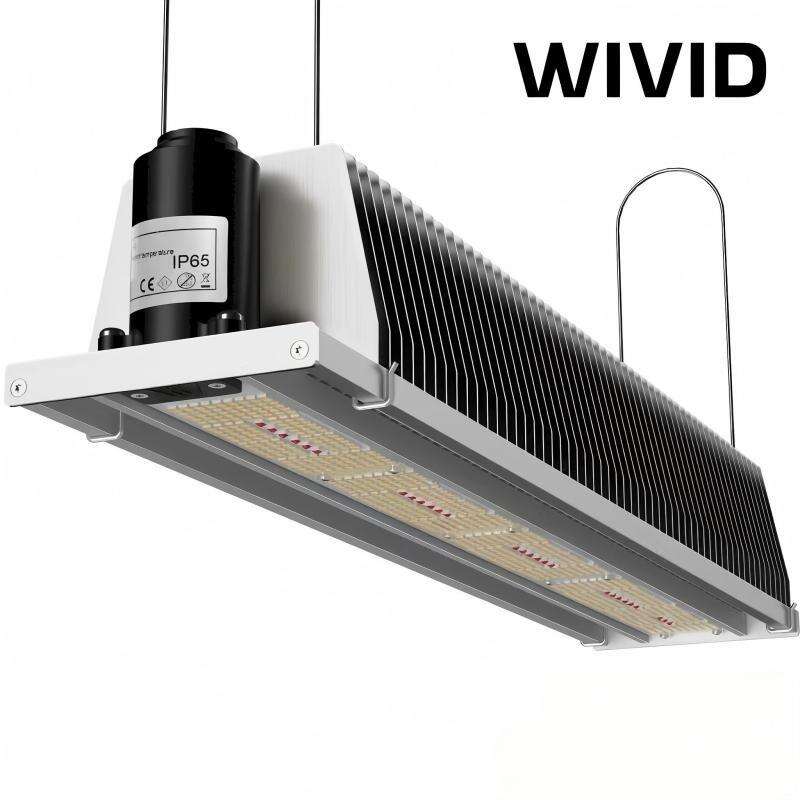
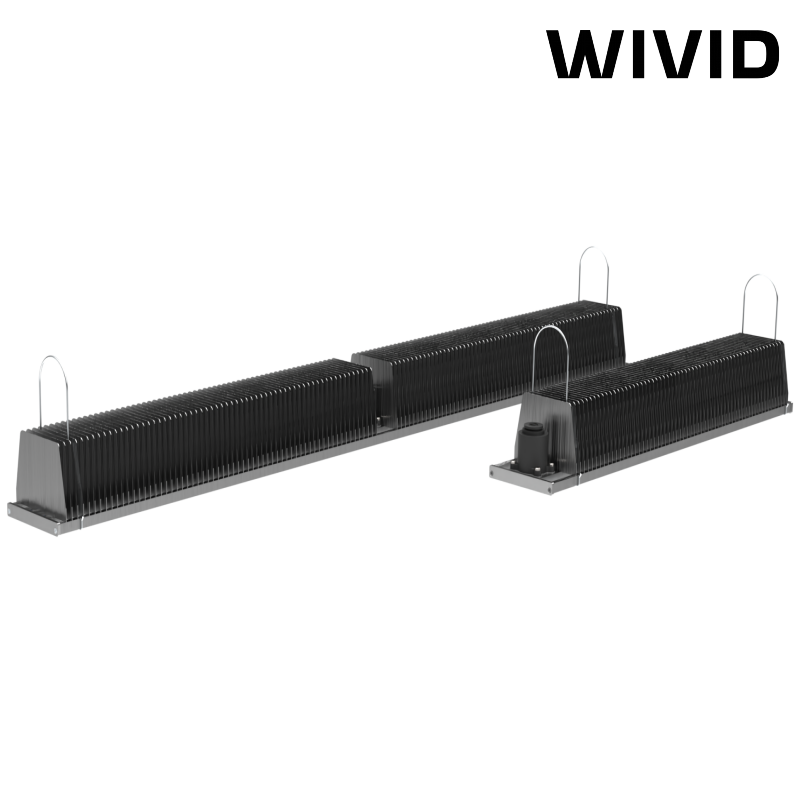
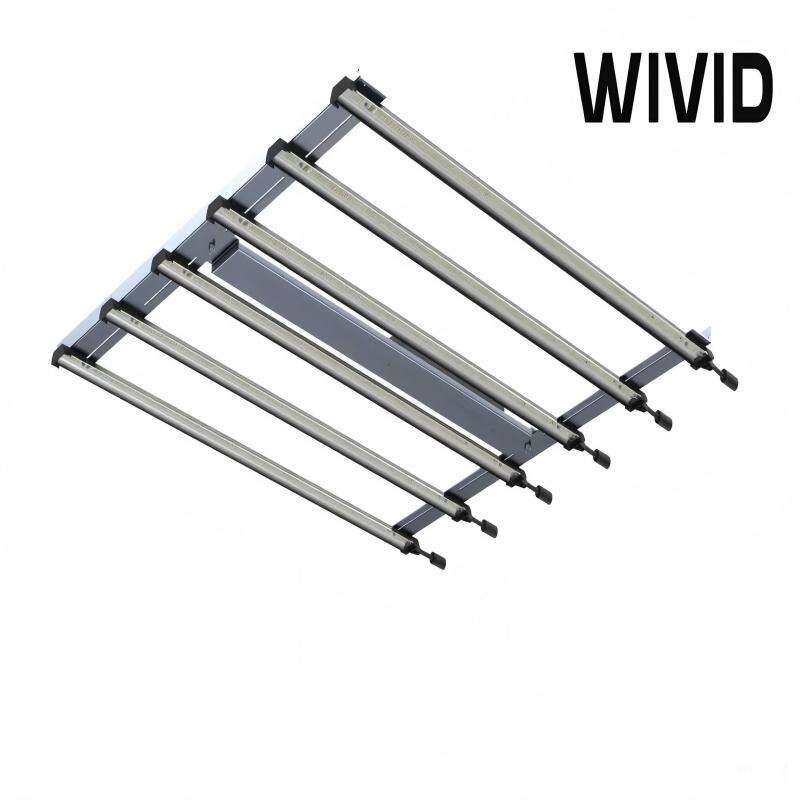
The best grow lights for greenhouse facilities deliver unprecedented energy efficiency that fundamentally changes the economics of controlled environment agriculture, reducing operational costs while improving crop performance. These advanced LED systems convert electricity to usable plant light with efficiency ratings exceeding 2.7 micromoles per joule, meaning they produce more photosynthetically active photons per watt of electricity consumed than any previous lighting technology. This superior efficiency translates directly to lower utility bills, with many growers reporting energy cost reductions of 50 to 70 percent compared to traditional high-intensity discharge lighting. For commercial operations running lights 12 to 18 hours daily, these savings accumulate to thousands or tens of thousands of dollars annually, significantly improving profit margins and return on investment. The best grow lights for greenhouse applications achieve this efficiency through cutting-edge LED chip technology, optimized thermal management systems, and precision-engineered optical designs that direct light exactly where plants need it rather than wasting it on walls, walkways, or empty space. The reduced energy consumption also decreases demand charges from utility companies, providing additional savings for large-scale operations. Beyond direct electricity costs, these efficient systems generate far less waste heat than traditional lighting, dramatically reducing cooling requirements and associated energy expenses. In many greenhouse environments, cooling costs can equal or exceed lighting costs when using older technologies, but the best grow lights for greenhouse use produce minimal thermal radiation, allowing you to maintain optimal growing temperatures with less mechanical cooling. This thermal efficiency also enables you to position lights closer to plant canopies without risk of heat damage, improving light intensity at the leaf surface and further enhancing growth rates. The long operational lifespan of quality LED grow lights, typically 50,000 to 100,000 hours, means you replace fixtures far less frequently than traditional bulbs that burn out after 10,000 to 20,000 hours. This extended lifespan reduces maintenance labor costs, minimizes production disruptions from bulb changes, and decreases waste disposal expenses. The best grow lights for greenhouse installations maintain consistent light output throughout their lifespan, unlike traditional bulbs that lose 30 percent or more of their intensity before failure, ensuring your plants always receive adequate illumination without over-sizing your initial installation. The combination of lower energy consumption, reduced cooling needs, extended lifespan, and minimal maintenance creates a compelling total cost of ownership advantage that makes the best grow lights for greenhouse operations a smart financial investment. Many growers achieve payback periods of two to four years, after which the ongoing savings flow directly to profitability. Additionally, various utility companies and government programs offer rebates and incentives for upgrading to energy-efficient LED lighting, further improving the financial case for adoption.

 EN
EN