Premium Greenhouse LED Grow Lights - Energy-Efficient Full Spectrum Growing Solutions

All Categories

greenhouse led grow lights

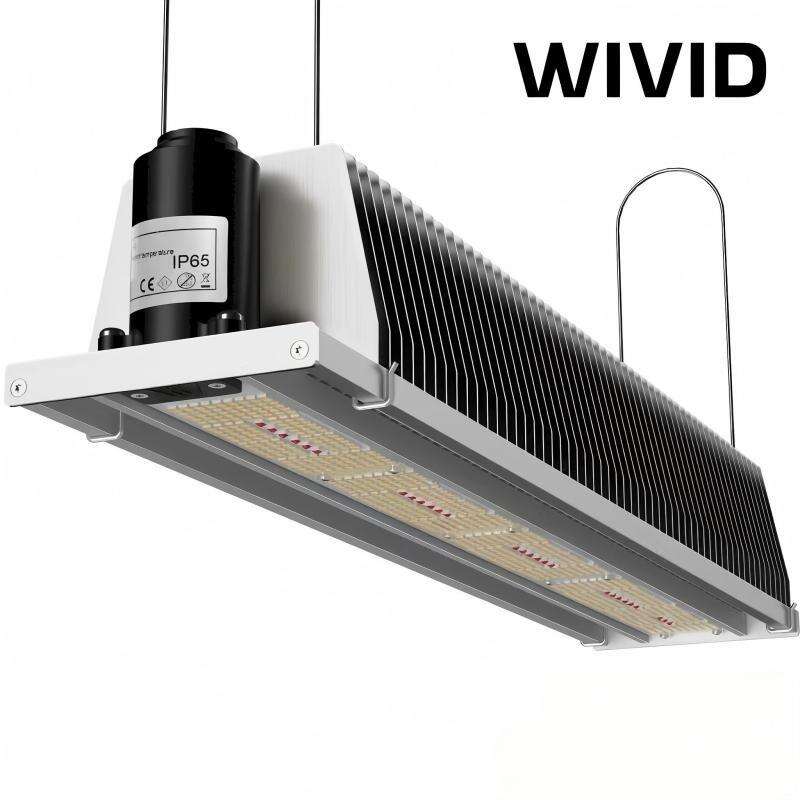
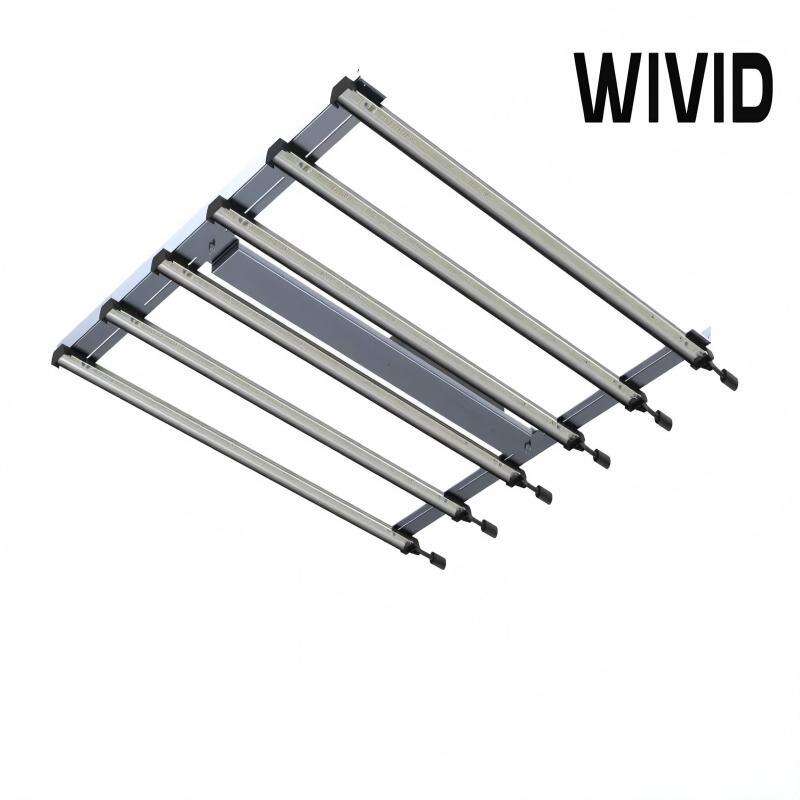
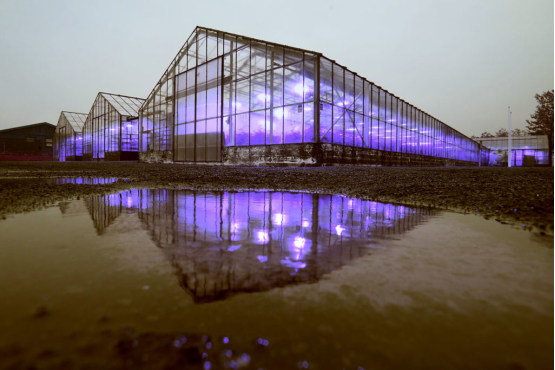
Greenhouse led grow lights represent a revolutionary advancement in controlled environment agriculture, providing cultivators with precise control over light spectrum, intensity, and duration to optimize plant growth throughout all developmental stages. These sophisticated lighting systems utilize light-emitting diode technology to deliver targeted wavelengths that plants absorb most efficiently during photosynthesis, resulting in healthier crops and increased yields. Unlike traditional lighting solutions such as high-pressure sodium or metal halide lamps, greenhouse led grow lights consume significantly less electricity while generating minimal heat, making them ideal for enclosed growing environments where temperature management is critical. The main functions of these systems include providing supplemental lighting during periods of low natural sunlight, extending photoperiods to accelerate growth cycles, and delivering specific light spectrums tailored to different plant species and growth phases. Technological features include programmable controllers that allow growers to adjust light schedules automatically, dimming capabilities for gradual intensity changes, and modular designs that enable scalable installations across greenhouses of varying sizes. Many modern greenhouse led grow lights incorporate full-spectrum output that mimics natural sunlight while emphasizing red and blue wavelengths proven to enhance vegetative growth and flowering. Advanced models feature smart connectivity options, allowing remote monitoring and adjustment through mobile applications or computer interfaces. The applications of greenhouse led grow lights span commercial vegetable production, ornamental plant cultivation, cannabis growing operations, research facilities, and vertical farming installations. These systems prove particularly valuable in regions with limited natural sunlight during winter months or in urban environments where space constraints necessitate year-round indoor production. By delivering consistent, optimized lighting conditions regardless of external weather patterns, greenhouse led grow lights enable predictable harvest schedules and superior crop quality that meets demanding market standards.


Popular Products

The advantages of greenhouse led grow lights extend far beyond simple illumination, offering growers tangible benefits that directly impact profitability and operational efficiency. Energy savings represent one of the most compelling reasons to adopt this technology, with typical installations consuming 40 to 60 percent less electricity compared to conventional lighting systems. This reduction in power consumption translates to lower utility bills month after month, allowing operations to allocate resources toward other critical aspects of production. The extended lifespan of these lighting systems further enhances their economic value, with quality units operating effectively for 50,000 hours or more before requiring replacement. This longevity means fewer interruptions to growing schedules and reduced maintenance costs over time. Heat management becomes dramatically simpler with greenhouse led grow lights because they produce minimal thermal output compared to traditional alternatives. Growers can position lights closer to plant canopies without risking heat stress or leaf burn, maximizing light penetration and utilization. This reduced heat generation also decreases the burden on cooling systems, creating additional energy savings during warm months. The precision control offered by these systems allows cultivators to fine-tune growing conditions with unprecedented accuracy. Adjusting light intensity and spectrum to match specific plant requirements at different growth stages results in faster development, more robust plants, and higher quality harvests. Seedlings benefit from gentler blue-rich light that promotes compact, sturdy growth, while flowering plants thrive under enhanced red wavelengths that trigger reproductive processes. Environmental benefits align with growing consumer demand for sustainable agricultural practices. Lower energy consumption reduces carbon footprints, and the absence of mercury or other hazardous materials makes disposal safer and more environmentally responsible. The instant on-off capability eliminates warm-up periods, providing immediate illumination when needed and allowing for precise photoperiod control. Crop quality improvements manifest in multiple ways, including enhanced coloration, improved nutritional content, and better shelf life for harvested produce. Consistent lighting conditions eliminate the variability associated with seasonal changes in natural sunlight, enabling year-round production of uniform, premium-quality crops. The flexibility to customize light recipes for different plant varieties allows diversified operations to optimize conditions for each crop type simultaneously. Installation versatility accommodates various greenhouse configurations, from small hobby structures to large commercial facilities spanning multiple acres. Modular designs enable phased implementation, allowing growers to expand lighting coverage as budgets permit without redesigning entire systems.

Tips And Tricks

Energy Savings and Spectral Precision

14

Jan

Energy Savings and Spectral Precision

Discover how horticultural LED lighting cuts energy use by up to 50% while boosting plant growth with optimized spectra. Reduce TCO and enhance sustainability. Learn more today.
View More
Introduction to Photosynthetically Active Radiation (PAR)

14

Jan

Introduction to Photosynthetically Active Radiation (PAR)

Discover how Photosynthetically Active Radiation (PAR) boosts photosynthesis, growth, and yields. Learn to optimize LED lighting for energy efficiency and crop quality. Read more.
View More
Comprehensive Light Planning in Controlled Environment Agriculture

12

Mar

Comprehensive Light Planning in Controlled Environment Agriculture

Maximize crop yield with precise PPFD planning. Discover how 3D light simulations improve uniformity, reduce waste, and boost photosynthesis. Get your free lighting guide.
View More
The Grow Light Spectrum

15

Jan

The Grow Light Spectrum

Maximize photosynthetic efficiency and yields with science-backed grow light spectra. Discover how blue, red, and full-spectrum lighting affect plant growth. Learn more.
View More

Get a Free Quote

Our representative will contact you soon.
Email
Mobile
Country/Region
Name
Message
0/1000

greenhouse led grow lights

Spectrum Optimization for Maximum Photosynthetic Efficiency

Spectrum Optimization for Maximum Photosynthetic Efficiency

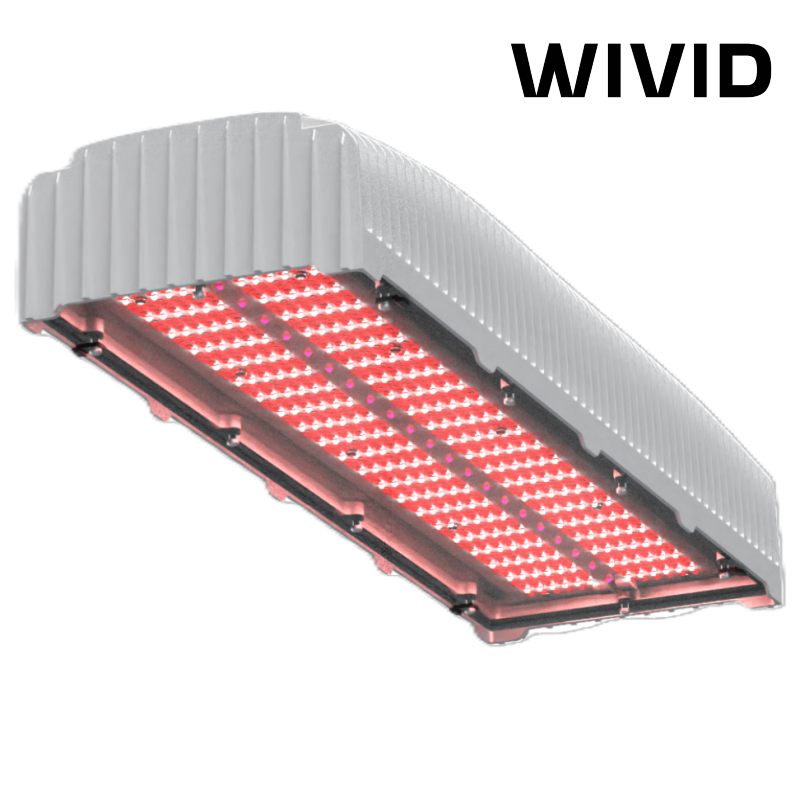
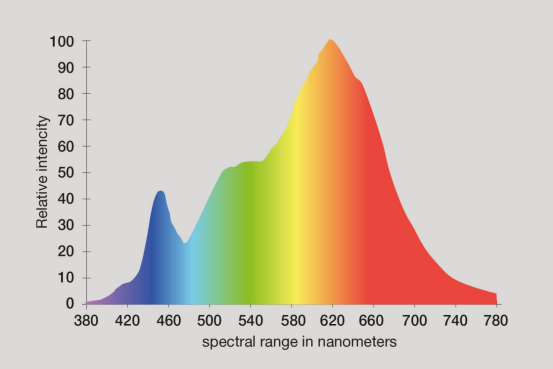
The ability to deliver precisely tuned light spectrums represents perhaps the most significant advantage of greenhouse led grow lights over traditional lighting technologies. Plants utilize specific wavelengths of light for photosynthesis, with peak absorption occurring in the blue range around 450 nanometers and the red range near 660 nanometers. Conventional lighting systems emit broad spectrums that include substantial amounts of green and yellow light, which plants reflect rather than absorb, essentially wasting energy on wavelengths that contribute minimally to growth. Greenhouse led grow lights overcome this inefficiency by concentrating output in the wavelengths plants actually use, delivering more usable light per watt of electricity consumed. Advanced systems allow growers to adjust spectrum ratios throughout the growing cycle, providing blue-heavy light during vegetative stages to promote compact, bushy growth with strong stems and dense foliage. As plants transition to flowering and fruiting phases, increasing the proportion of red wavelengths triggers reproductive responses and enhances flower development, fruit set, and overall yield. Some sophisticated greenhouse led grow lights incorporate additional wavelengths including far-red light that influences plant morphology and accelerates flowering, ultraviolet light that can enhance secondary metabolite production and improve pest resistance, and infrared wavelengths that affect leaf temperature and stomatal behavior. This level of spectral control enables growers to manipulate plant characteristics in ways previously impossible, such as controlling stem elongation, influencing leaf size and thickness, and even affecting the concentration of beneficial compounds like vitamins, antioxidants, and essential oils. Research continues to reveal new applications for specific light wavelengths, and the programmable nature of greenhouse led grow lights allows growers to implement these discoveries immediately without replacing hardware. The practical implications extend to crop scheduling and market responsiveness, as growers can accelerate or slow development to align harvests with periods of peak demand and premium pricing. Different plant species respond uniquely to various spectral compositions, and the flexibility of these systems allows mixed-crop greenhouses to create customized lighting zones optimized for each variety being cultivated.
Energy Efficiency and Operational Cost Reduction

Energy Efficiency and Operational Cost Reduction

The exceptional energy efficiency of greenhouse led grow lights fundamentally transforms the economics of controlled environment agriculture, converting what has traditionally been one of the highest operational expenses into a manageable cost that enhances rather than erodes profitability. Traditional high-intensity discharge lighting systems convert only 30 to 40 percent of consumed electricity into usable light, with the remainder dissipated as heat that must then be removed through additional energy-intensive cooling systems. Greenhouse led grow lights achieve photon efficiency rates exceeding 60 percent in quality systems, with cutting-edge models approaching 70 percent efficiency. This dramatic improvement means that for every dollar spent on electricity, growers receive substantially more usable light reaching their plants. The compounding effect of reduced cooling requirements amplifies these savings, as the minimal heat output from these systems decreases the load on ventilation fans, air conditioning units, and evaporative coolers. In climate-controlled greenhouses, this reduction in cooling demand can decrease overall facility energy consumption by an additional 20 to 30 percent beyond the direct lighting savings. The long operational lifespan of greenhouse led grow lights contributes to cost reduction through decreased replacement frequency and lower maintenance labor requirements. While initial investment costs for these systems typically exceed those of conventional lighting, the payback period generally ranges from 18 to 36 months depending on electricity rates and usage patterns, after which the ongoing savings flow directly to the bottom line. Growers in regions with high electricity costs or those operating in areas with demand charges that penalize peak power consumption benefit even more dramatically from the efficiency of these systems. The ability to dim lights during periods of adequate natural sunlight allows hybrid lighting strategies that supplement rather than replace daylight, further optimizing energy use. Utility rebate programs in many jurisdictions provide financial incentives for adopting energy-efficient lighting technologies, reducing upfront costs and accelerating return on investment. The predictable, stable light output throughout the operational life of greenhouse led grow lights eliminates the gradual degradation characteristic of traditional lamps, ensuring consistent growing conditions and eliminating the need for frequent light meter measurements and fixture repositioning to compensate for declining output.
Precise Environmental Control and Crop Quality Enhancement

Precise Environmental Control and Crop Quality Enhancement

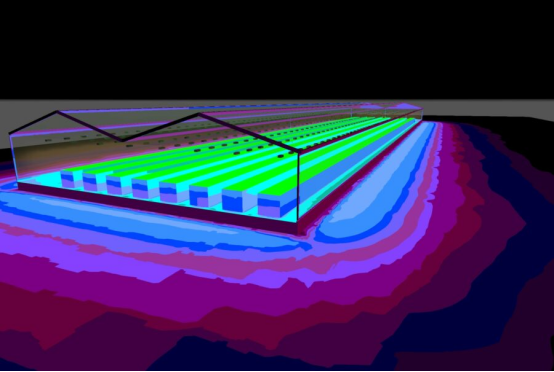
The sophisticated control capabilities of modern greenhouse led grow lights empower growers to create ideal growing environments with a level of precision that directly translates to superior crop quality, consistency, and marketability. Unlike fixed-output traditional lighting that operates at full intensity whenever switched on, these systems offer infinitely variable dimming that allows gradual sunrise and sunset simulations, reducing plant stress and creating more natural growing conditions. Programmable controllers enable complex lighting schedules that can vary intensity and spectrum throughout the day, mimicking natural light patterns or creating optimized artificial photoperiods that accelerate growth beyond what occurs in nature. This precise control over daily light integral, the total amount of light plants receive over 24 hours, allows growers to maintain optimal conditions regardless of seasonal variations in natural daylight availability. During summer months when natural light is abundant, greenhouse led grow lights can operate at reduced intensity or shorter durations, conserving energy while still providing supplemental light during early morning and evening hours to extend effective growing time. Winter operations benefit from full-intensity supplementation that compensates for short days and frequent cloud cover, maintaining consistent growth rates year-round. The ability to create distinct lighting zones within a single greenhouse enables diversified operations to cultivate multiple crop types simultaneously, each receiving optimized light conditions for its specific requirements. Leafy greens thrive under different spectral compositions than fruiting vegetables, and ornamental plants often require unique photoperiods to trigger flowering at desired times. The instant response of greenhouse led grow lights to control signals allows implementation of dynamic lighting strategies that respond to real-time conditions, such as automatically increasing intensity when cloud cover reduces natural light or dimming when sunlight is abundant. Integration with environmental sensors and climate control systems creates truly intelligent growing environments where lighting adjusts automatically to maintain target parameters. Quality improvements manifest in multiple measurable ways, including enhanced coloration in ornamental crops, increased sugar content in fruits, higher concentrations of beneficial compounds in herbs and medicinal plants, and improved post-harvest shelf life across numerous crop types. The elimination of hot spots and dark areas common with traditional lighting creates uniform growing conditions throughout the canopy, resulting in consistent plant development and reducing the percentage of unmarketable product due to uneven growth or quality variations.