Precision Spectrum Control for Optimal Plant Development
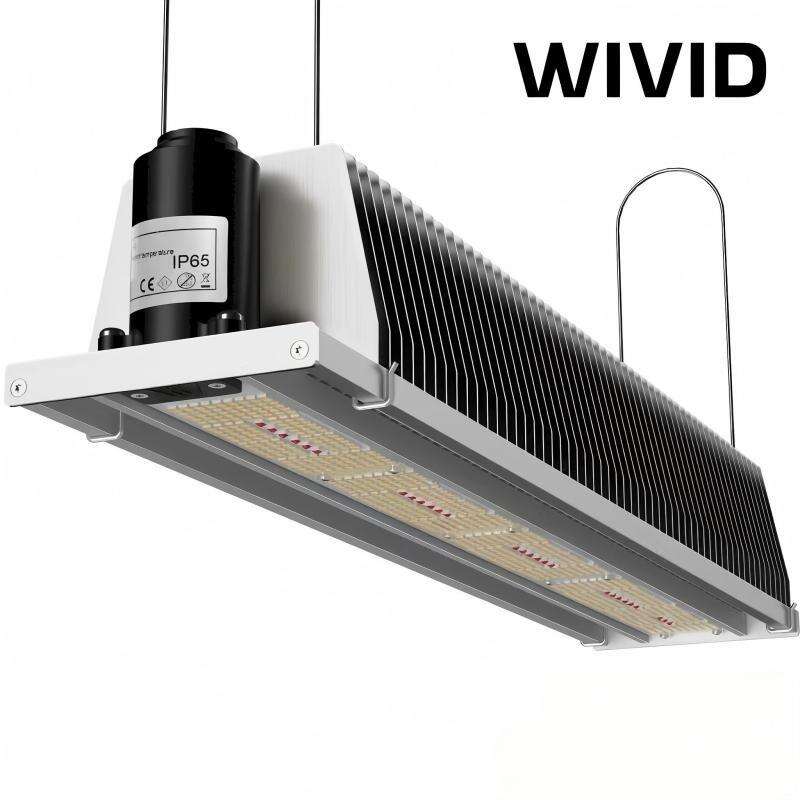
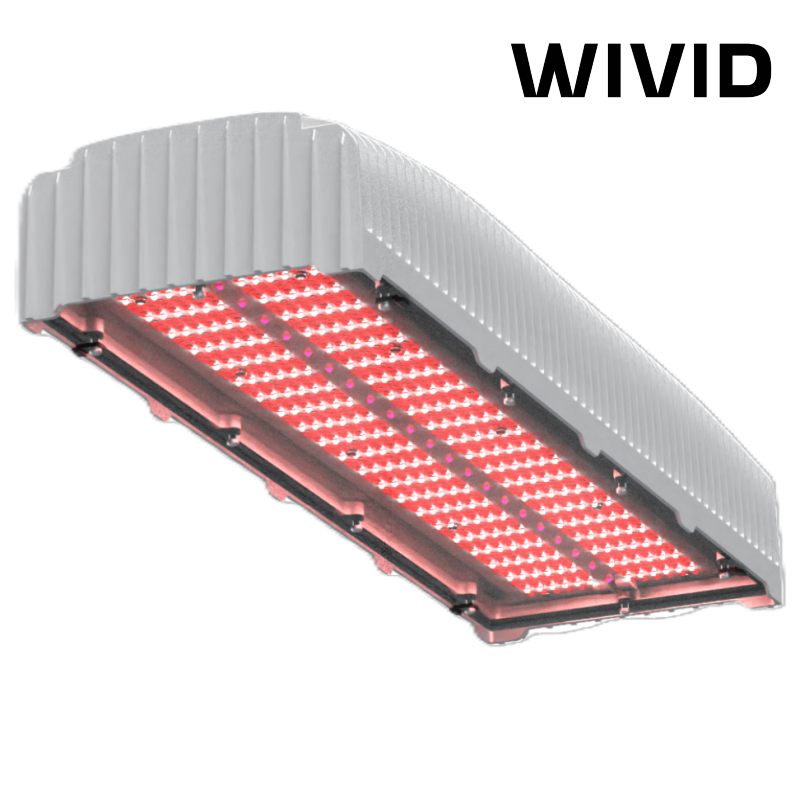
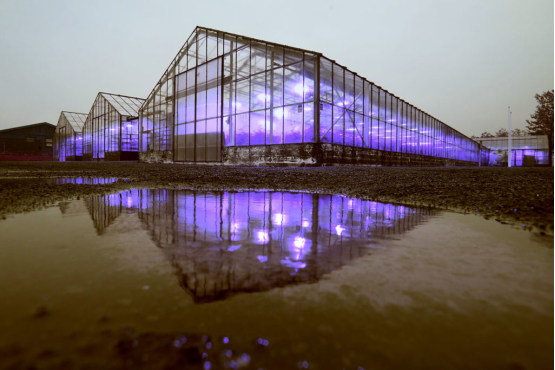
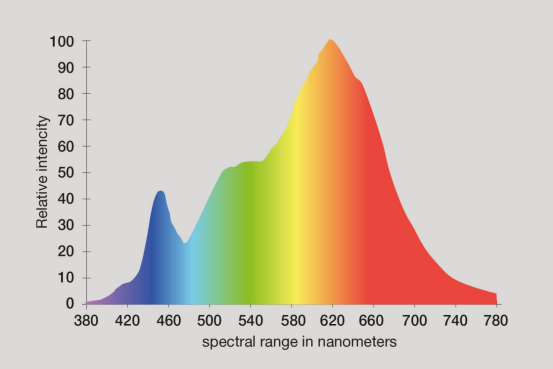
The ability to precisely control light spectrum represents one of the most powerful features of greenhouse grow lights, fundamentally changing how cultivators approach plant development. Unlike natural sunlight or traditional lighting that provides fixed spectral output, advanced greenhouse grow lights allow you to adjust the ratio of different light wavelengths to match specific growth stages and plant requirements. During vegetative growth, plants benefit from higher proportions of blue light in the 400 to 500 nanometer range, which promotes compact growth, strong stems, and dense foliage development. As plants transition to flowering and fruiting stages, increasing red light in the 600 to 700 nanometer range triggers reproductive processes and enhances flower formation and fruit development. This spectral flexibility means you can optimize conditions for each growth phase, accelerating development and improving final product quality. Many greenhouse grow lights incorporate far-red wavelengths that influence plant morphology and flowering responses, allowing you to control plant height, branching patterns, and flowering timing with precision previously impossible. The inclusion of green light, often overlooked in older lighting systems, penetrates deeper into plant canopies and contributes to photosynthesis in lower leaves, improving overall plant productivity. Some advanced systems offer UV wavelengths that can enhance production of beneficial compounds in certain crops, increase pest resistance, and improve shelf life of harvested produce. The practical value of spectrum control extends beyond simple growth optimization. You can manipulate plant characteristics to meet market demands, such as producing more compact ornamental plants, increasing essential oil content in herbs, or enhancing color development in flowers and fruits. Research facilities utilize this capability to study how different wavelengths affect plant biology, breeding programs, and stress responses. Commercial growers leverage spectrum control to differentiate their products, creating unique characteristics that command premium prices. The technology eliminates guesswork from cultivation, replacing trial-and-error approaches with data-driven strategies based on plant science. You can replicate successful growing protocols consistently across multiple production cycles, ensuring reliable quality and yield. The ability to program spectral recipes for different crops means a single greenhouse can efficiently produce diverse plant varieties by simply adjusting light settings between production runs. This versatility maximizes facility utilization and revenue potential while minimizing the need for specialized infrastructure for each crop type.

 EN
EN