commercial horticulture led lighting
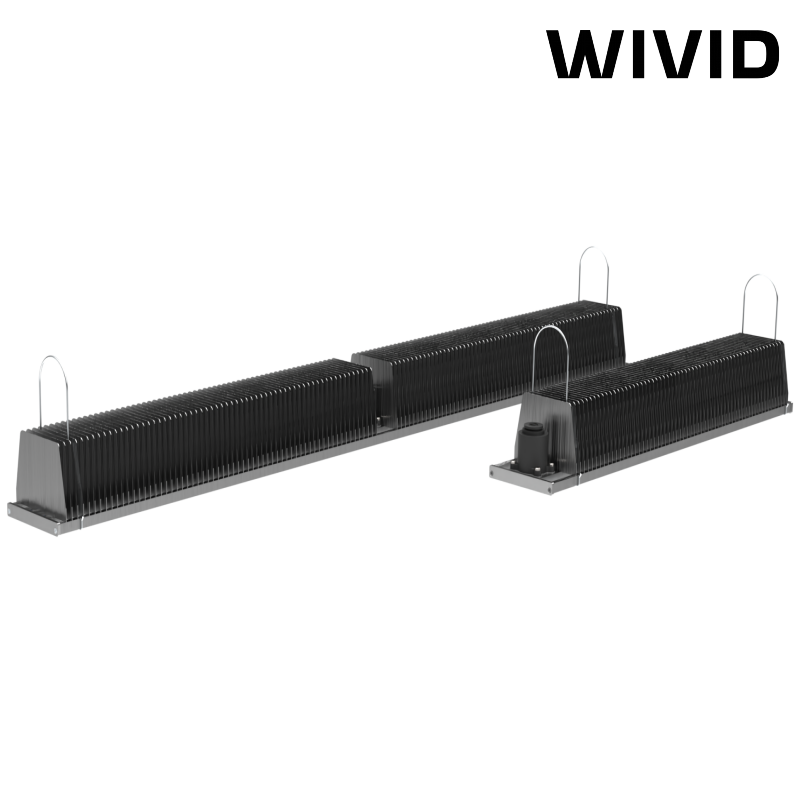
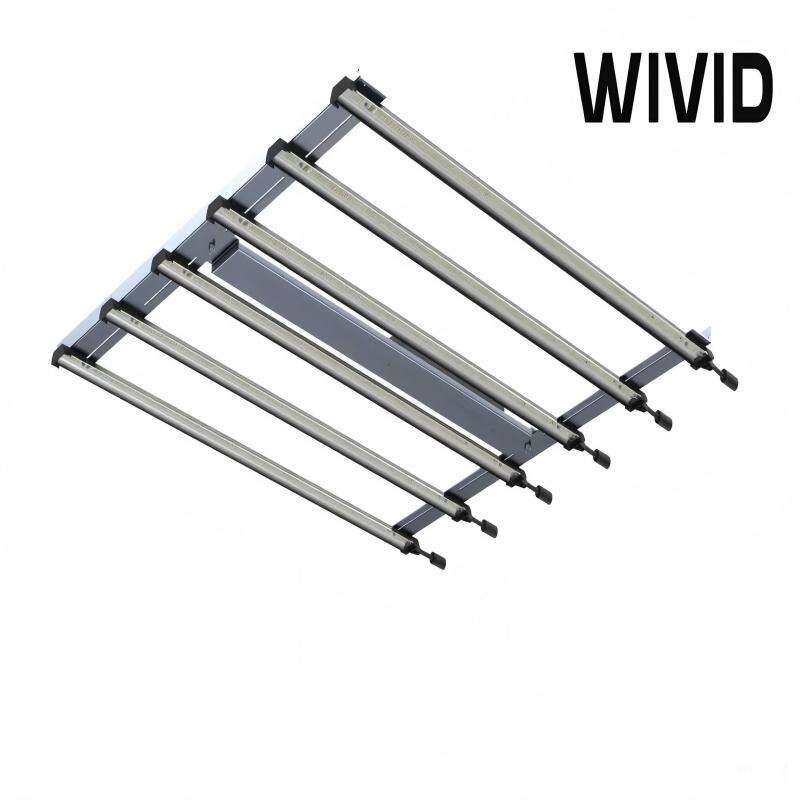
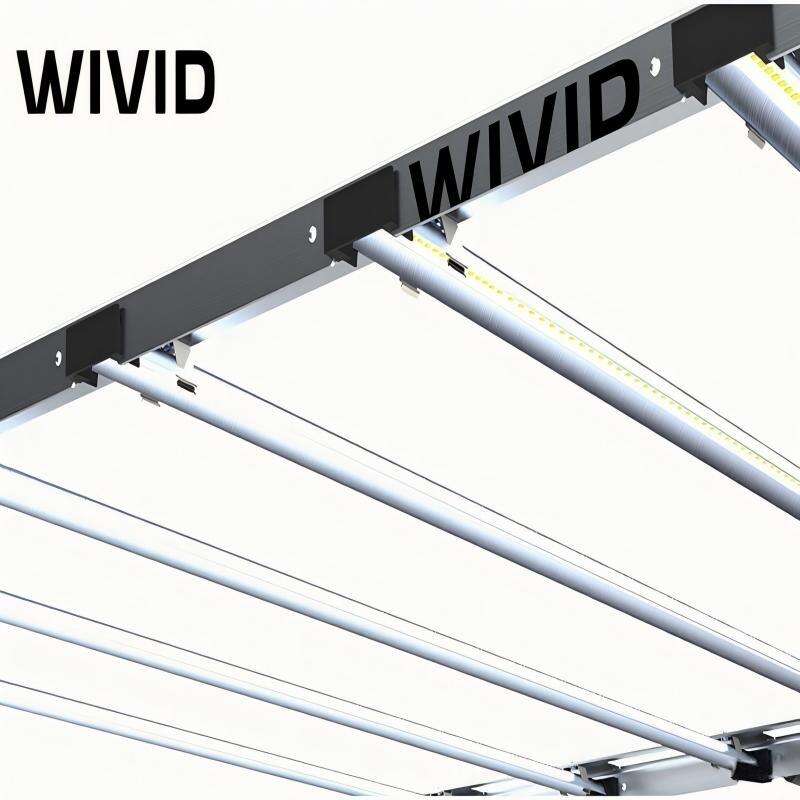
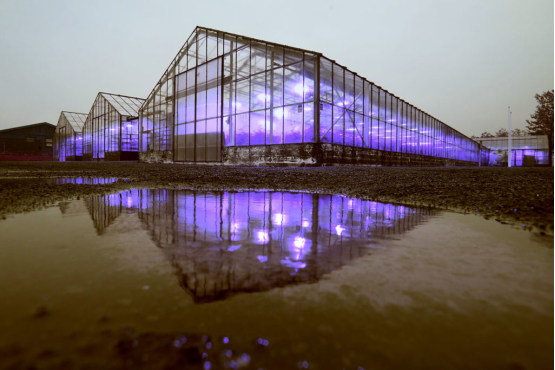
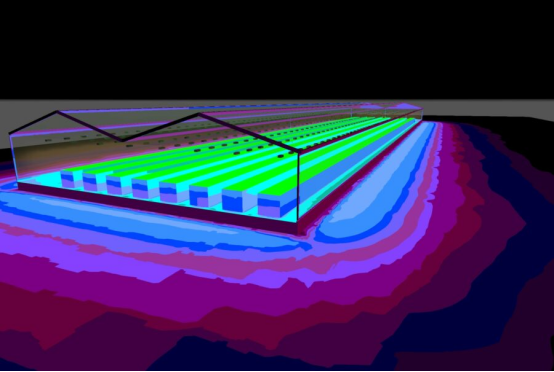
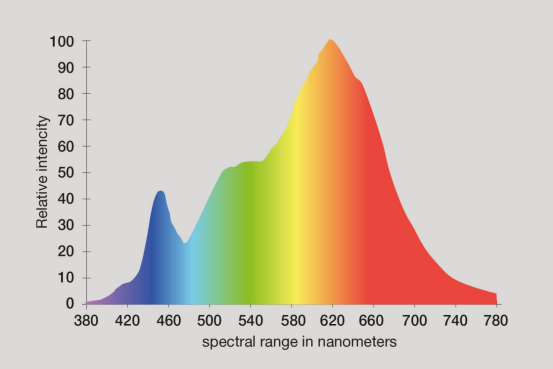
Commercial horticulture led lighting represents a revolutionary advancement in controlled environment agriculture, providing growers with precise control over light spectrum, intensity, and duration to optimize plant growth and crop yields. This innovative lighting technology utilizes light-emitting diodes specifically engineered to deliver photosynthetically active radiation that plants require for healthy development throughout all growth stages. Commercial horticulture led lighting systems have transformed how professional growers approach indoor farming, greenhouse operations, and vertical agriculture by offering energy-efficient alternatives to traditional high-pressure sodium and metal halide lamps. The main functions of commercial horticulture led lighting include delivering targeted wavelengths that maximize photosynthesis, promoting vegetative growth and flowering, extending growing seasons, and enabling year-round production regardless of external weather conditions. These sophisticated lighting solutions incorporate advanced thermal management systems that dissipate heat efficiently, allowing fixtures to be positioned closer to plant canopies without causing heat stress or tissue damage. Technological features of commercial horticulture led lighting encompass programmable spectrum control, dimming capabilities, wireless connectivity for remote management, and integration with environmental control systems that monitor temperature, humidity, and carbon dioxide levels. Modern commercial horticulture led lighting fixtures utilize specialized chips that emit specific wavelengths in the blue, red, and far-red portions of the spectrum, with some systems including white light and ultraviolet components to replicate natural sunlight conditions. Applications for commercial horticulture led lighting span diverse sectors including cannabis cultivation, leafy greens production, herb farming, ornamental plant propagation, research facilities, and pharmaceutical crop development. These lighting systems prove particularly valuable in urban farming operations where space constraints and energy costs demand maximum efficiency and productivity from every square meter of growing area.

 EN
EN