Horticulture LED Strips - Energy-Efficient Full Spectrum Grow Lights for Indoor Farming

All Categories

horticulture led strips

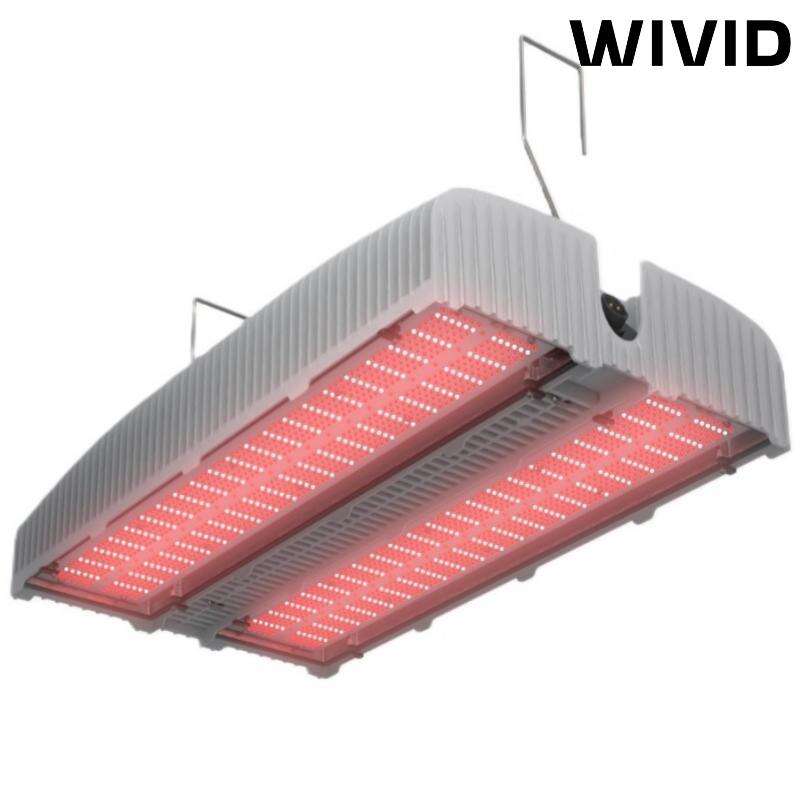
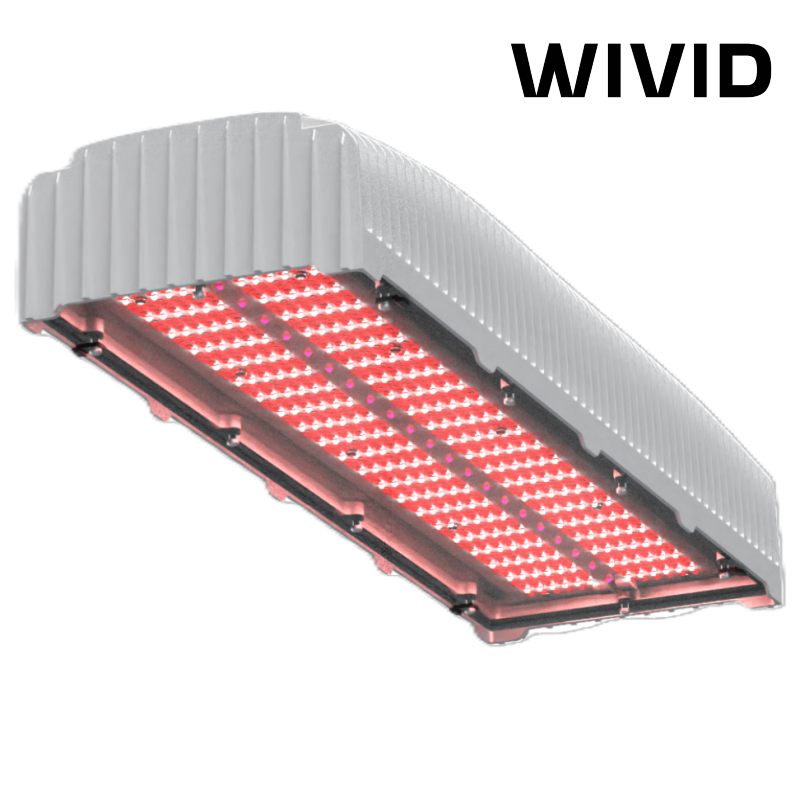
Horticulture led strips represent a revolutionary advancement in indoor farming and controlled environment agriculture. These specialized lighting solutions deliver targeted wavelengths of light that plants need for photosynthesis, growth, and development. Unlike traditional lighting systems, horticulture led strips are engineered specifically to meet the unique requirements of plant cultivation, offering precise spectral output that can be customized for different growth stages and plant species. The main function of these strips is to provide consistent, energy-efficient illumination that mimics natural sunlight while allowing growers to control light intensity, duration, and spectrum. Technologically, horticulture led strips incorporate advanced semiconductor technology that converts electrical energy into specific light wavelengths with minimal heat generation. Modern strips feature full-spectrum capabilities, combining red, blue, white, and sometimes far-red LEDs to create optimal growing conditions. Many systems include dimming capabilities and programmable controls that enable growers to adjust lighting schedules automatically. The strips are designed with thermal management systems that dissipate heat effectively, ensuring long operational lifespans often exceeding 50,000 hours. Applications for horticulture led strips span commercial greenhouses, vertical farms, research facilities, and home growing operations. They excel in environments where natural sunlight is insufficient or unavailable, such as indoor cultivation facilities, basement growing rooms, and urban farming installations. These strips are particularly valuable for growing leafy greens, herbs, microgreens, flowering plants, and seedling propagation. Commercial operations use horticulture led strips to maximize yield per square foot, reduce energy costs, and maintain consistent production year-round regardless of external weather conditions. The flexibility of strip design allows installation in various configurations, including overhead mounting, vertical arrangements, and inter-canopy lighting setups that deliver light directly to lower plant levels.


Popular Products

The advantages of horticulture led strips make them an increasingly popular choice for both commercial growers and hobbyists seeking reliable plant cultivation solutions. Energy efficiency stands as one of the most compelling benefits, with these strips consuming significantly less electricity compared to traditional high-pressure sodium or metal halide lamps. Growers typically see energy savings of 40 to 60 percent, which translates directly into reduced operational costs and improved profit margins. This efficiency comes from the LED technology's ability to convert a higher percentage of electrical input into usable light rather than wasted heat. The reduced heat output creates additional advantages by minimizing cooling requirements in growing spaces, further decreasing energy consumption and creating more stable environmental conditions for plants. Horticulture led strips offer exceptional longevity, operating reliably for years without the frequent bulb replacements required by conventional lighting systems. This durability reduces maintenance costs and labor while ensuring consistent light output over extended periods. The spectral precision of these strips allows growers to deliver exactly the wavelengths plants need most, primarily in the blue and red ranges that drive photosynthesis most effectively. This targeted approach means plants receive optimal light for growth without wasted energy on wavelengths they cannot use efficiently. The flexibility of horticulture led strips enables creative installation options that maximize growing space utilization. Their slim profile and lightweight construction allow mounting in tight spaces, along walls, or in multi-tier growing systems where traditional fixtures would be impractical. Many strips feature waterproof or water-resistant designs, making them suitable for humid greenhouse environments or hydroponic systems where moisture exposure is constant. The instant-on capability of horticulture led strips eliminates warm-up periods, allowing precise control over photoperiods and enabling growers to implement sophisticated lighting schedules that optimize plant development. These strips produce minimal electromagnetic interference, making them compatible with sensitive monitoring equipment and automation systems. The low voltage operation of many strip designs enhances safety in wet environments and reduces electrical hazards. Growers appreciate the scalability of horticulture led strips, as systems can start small and expand incrementally as operations grow, avoiding large upfront investments. The improved plant quality resulting from optimized light spectrums often leads to faster growth rates, higher yields, increased nutritional content, and better flavor profiles in edible crops.

Latest News

Energy Savings and Spectral Precision

14

Jan

Energy Savings and Spectral Precision

Discover how horticultural LED lighting cuts energy use by up to 50% while boosting plant growth with optimized spectra. Reduce TCO and enhance sustainability. Learn more today.
View More
Introduction to Photosynthetically Active Radiation (PAR)

14

Jan

Introduction to Photosynthetically Active Radiation (PAR)

Discover how Photosynthetically Active Radiation (PAR) boosts photosynthesis, growth, and yields. Learn to optimize LED lighting for energy efficiency and crop quality. Read more.
View More
Comprehensive Light Planning in Controlled Environment Agriculture

12

Mar

Comprehensive Light Planning in Controlled Environment Agriculture

Maximize crop yield with precise PPFD planning. Discover how 3D light simulations improve uniformity, reduce waste, and boost photosynthesis. Get your free lighting guide.
View More
The Grow Light Spectrum

15

Jan

The Grow Light Spectrum

Maximize photosynthetic efficiency and yields with science-backed grow light spectra. Discover how blue, red, and full-spectrum lighting affect plant growth. Learn more.
View More

Get a Free Quote

Our representative will contact you soon.
Email
Mobile
Country/Region
Name
Message
0/1000

horticulture led strips

Customizable Spectrum Technology for Optimal Plant Growth

Customizable Spectrum Technology for Optimal Plant Growth

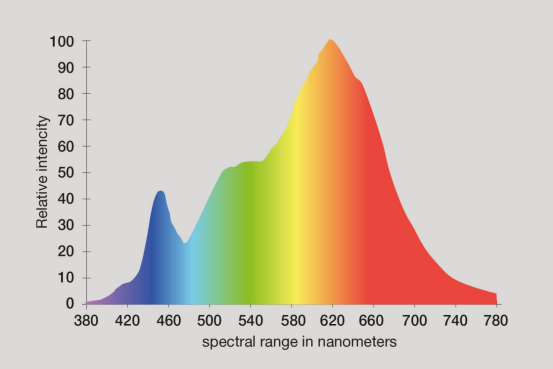
The customizable spectrum technology integrated into horticulture led strips represents a fundamental advantage that sets these lighting solutions apart from conventional growing lights. This feature allows growers to tailor the light output to match specific plant requirements at different growth stages, creating conditions that would be impossible to achieve with fixed-spectrum lighting. During the vegetative growth phase, plants benefit from higher proportions of blue light wavelengths, typically in the 400 to 500 nanometer range, which promotes compact, bushy growth and strong leaf development. Horticulture led strips can be configured to emphasize these wavelengths during early growth stages, encouraging robust vegetative development. As plants transition to flowering and fruiting stages, the spectrum can be adjusted to include more red wavelengths in the 600 to 700 nanometer range, which triggers flowering responses and enhances fruit production. This spectral flexibility enables growers to maximize yields by providing precisely what plants need when they need it. Advanced horticulture led strips incorporate multiple LED types within a single fixture, including cool white, warm white, deep red, far-red, and sometimes ultraviolet diodes. This combination creates a full-spectrum output that closely mimics natural sunlight while allowing emphasis on specific wavelengths. The ability to adjust spectrum ratios means a single lighting system can support diverse crops with different light preferences, from leafy greens that thrive under blue-heavy spectrums to tomatoes and peppers that require balanced full-spectrum light. Some sophisticated systems include programmable controllers that automatically adjust spectrum throughout the day, simulating sunrise and sunset transitions that can reduce plant stress and improve overall health. The customization extends beyond simple color mixing, as growers can fine-tune intensity levels for each wavelength independently, creating highly specialized growing environments. This precision proves particularly valuable in research settings where scientists study plant responses to specific light conditions, and in commercial operations growing high-value crops where optimizing every environmental factor directly impacts profitability. The spectrum customization capability of horticulture led strips also enables growers to influence secondary plant characteristics such as leaf thickness, stem strength, essential oil production in herbs, and pigmentation in ornamental plants, providing control over crop quality that extends far beyond simple growth rates.
Superior Energy Efficiency and Heat Management

Superior Energy Efficiency and Heat Management

Superior energy efficiency and heat management capabilities make horticulture led strips an economically and environmentally sound choice for modern growing operations. The fundamental efficiency advantage stems from LED technology's ability to convert electrical energy directly into light through electroluminescence, a process far more efficient than the thermal radiation used by traditional grow lights. While high-pressure sodium lamps typically convert only 20 to 30 percent of input energy into usable light, with the remainder lost as heat, horticulture led strips achieve conversion efficiencies of 40 to 50 percent or higher, with some premium models reaching even greater efficiency levels. This dramatic improvement in energy conversion translates directly into lower electricity bills, which represent one of the largest operational expenses in controlled environment agriculture. For commercial growers operating large facilities, the energy savings from switching to horticulture led strips can amount to thousands of dollars monthly, significantly improving return on investment despite higher initial equipment costs. The reduced heat output from these efficient strips creates cascading benefits throughout the growing environment. Traditional high-intensity discharge lamps generate substantial heat that must be removed through ventilation and air conditioning systems, adding to energy consumption and operational complexity. Horticulture led strips produce minimal radiant heat, allowing them to be positioned much closer to plant canopies without risk of heat stress or leaf burn. This proximity increases light intensity at the plant level without increasing power consumption, effectively delivering more usable light per watt. The reduced cooling requirements in facilities using horticulture led strips lower HVAC costs substantially, often by 30 to 40 percent in climate-controlled environments. This benefit proves especially valuable in warm climates where cooling costs can exceed lighting costs in facilities using traditional lamps. The heat management design of quality horticulture led strips incorporates aluminum heat sinks and sometimes active cooling fans that dissipate the heat generated by LED chips away from the growing area. This thermal management extends LED lifespan by maintaining optimal operating temperatures, ensuring consistent light output over years of continuous operation. The stable thermal environment created by low-heat horticulture led strips also benefits plants directly, as temperature fluctuations stress plants and can trigger unwanted responses such as premature bolting in lettuce or blossom drop in fruiting crops.
Flexible Installation and Long-Term Durability

Flexible Installation and Long-Term Durability

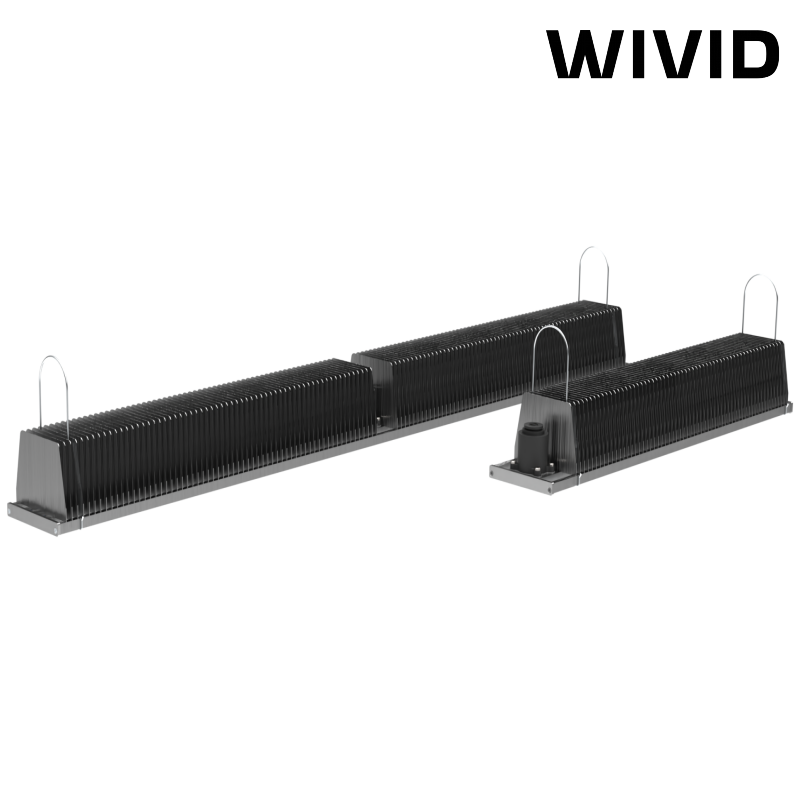
Flexible installation options and exceptional long-term durability make horticulture led strips a practical choice for diverse growing environments and operational scales. The strip format itself offers inherent advantages over traditional bulky light fixtures, as the slim, lightweight design allows mounting in configurations that would be impossible with conventional equipment. Growers can install horticulture led strips overhead in standard arrangements, mount them vertically along walls for side lighting, position them between plant rows for inter-canopy illumination, or create custom geometric patterns that match specific growing layouts. This installation flexibility proves particularly valuable in vertical farming operations where maximizing production per square foot is essential, as strips can be integrated into multi-tier growing racks with minimal space consumption. The modular nature of many horticulture led strips enables growers to start with basic coverage and expand incrementally as operations grow or as budget allows, avoiding the need for complete system replacement when scaling up. Many strips feature plug-and-play connectivity that simplifies installation and allows non-electricians to set up or modify lighting systems safely. The waterproof ratings available on many horticulture led strips, often IP65 or IP67, make them suitable for humid greenhouse environments and hydroponic systems where moisture exposure is constant and would quickly damage conventional lighting. This water resistance extends equipment life and reduces maintenance requirements in challenging growing environments. The durability of horticulture led strips extends far beyond moisture resistance, as quality units are engineered to operate reliably for 50,000 hours or more, equivalent to over five years of continuous 24-hour operation or more than a decade of typical 12-hour daily use. This longevity eliminates the frequent bulb replacement cycles required by high-pressure sodium and metal halide systems, reducing both material costs and labor expenses associated with maintenance. The solid-state construction of LEDs makes horticulture led strips resistant to vibration and physical shock, unlike fragile filament or arc-tube lamps that can fail from minor impacts. This robustness proves valuable in active growing environments where equipment may be bumped during plant maintenance or harvest operations. The consistent light output over the operational lifetime of horticulture led strips ensures plants receive stable growing conditions year after year, unlike traditional lamps that experience significant lumen depreciation and require replacement when output drops below acceptable levels. Quality horticulture led strips maintain 90 percent or more of their initial light output after 25,000 hours of operation, ensuring consistent growing conditions throughout their service life.