horticulture lights
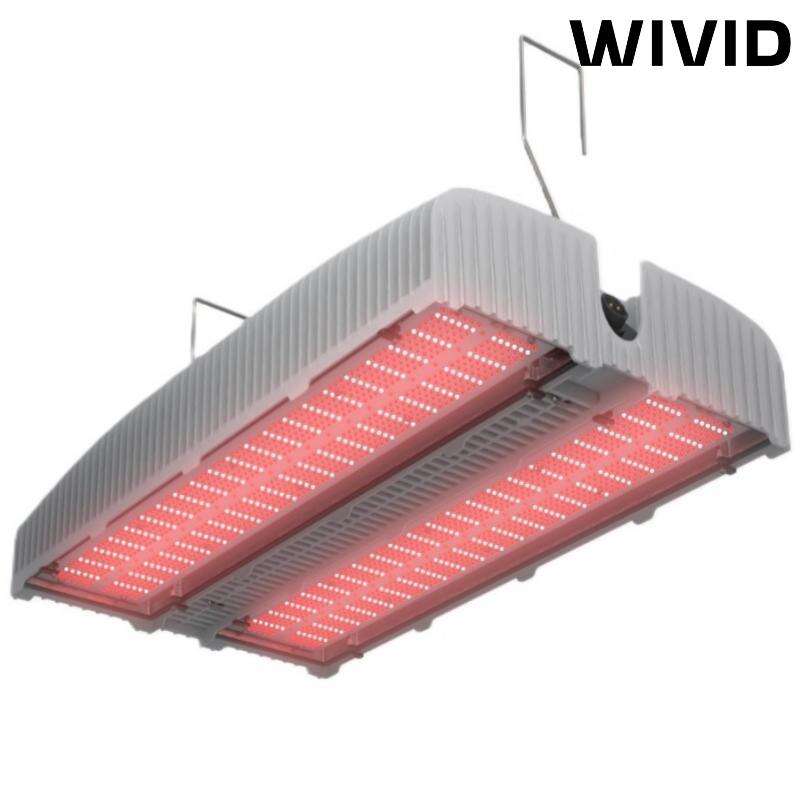
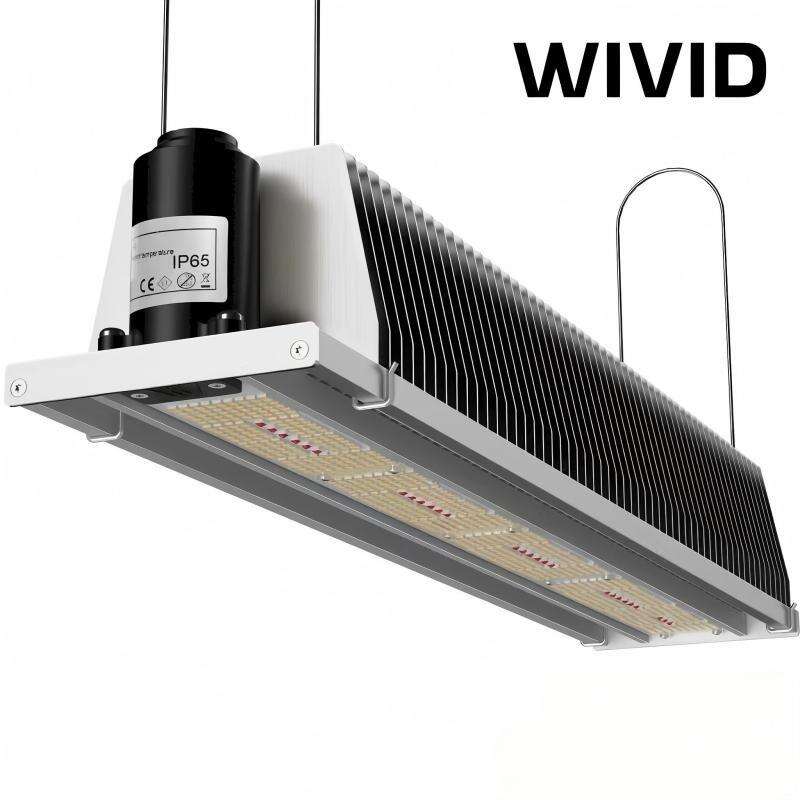
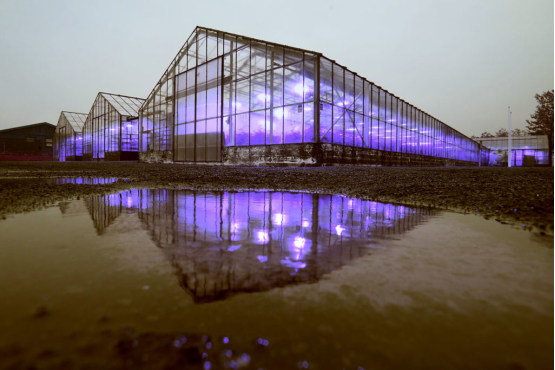
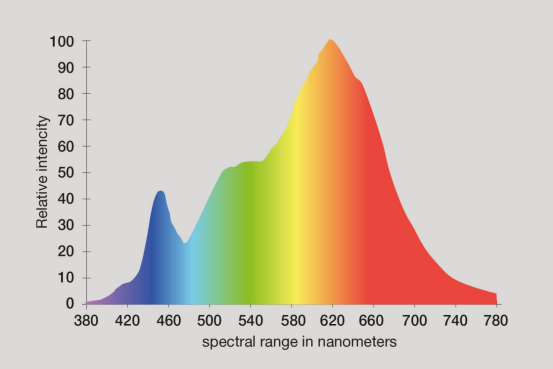
Horticulture lights represent a revolutionary advancement in modern agricultural technology, providing controlled lighting solutions that enable plants to thrive in diverse environments regardless of natural sunlight availability. These specialized lighting systems are engineered to deliver optimal wavelengths of light that plants require for photosynthesis, growth, and development throughout their entire lifecycle. Unlike traditional lighting solutions, horticulture lights are designed with precise spectral outputs that mimic and even enhance natural sunlight, allowing growers to cultivate crops year-round in greenhouses, vertical farms, indoor facilities, and commercial growing operations. The main function of horticulture lights centers on providing photosynthetically active radiation that plants convert into energy, enabling essential biological processes including germination, vegetative growth, flowering, and fruiting. These lighting systems incorporate advanced LED technology, which offers superior energy efficiency compared to conventional high-pressure sodium or metal halide lamps. The technological features of modern horticulture lights include adjustable spectrum control, allowing growers to customize light wavelengths for different plant species and growth stages. Many systems feature programmable timers, dimming capabilities, and smart controls that integrate with automated growing environments. The spectral range typically covers blue light for vegetative growth, red light for flowering and fruiting, and far-red wavelengths for specific physiological responses. Applications of horticulture lights span across commercial agriculture, research facilities, home gardening, cannabis cultivation, vertical farming operations, and nursery production. These systems enable consistent crop production in regions with limited sunlight, extend growing seasons in temperate climates, and facilitate high-density urban farming initiatives. Horticulture lights have become indispensable tools for maximizing crop yields, improving plant quality, reducing production cycles, and achieving sustainable agricultural practices in controlled environment agriculture.

 EN
EN