Crop Specific LED Spectrum Technology - Maximize Yields with Optimized Growing Lights

All Categories

crop specific led spectrum

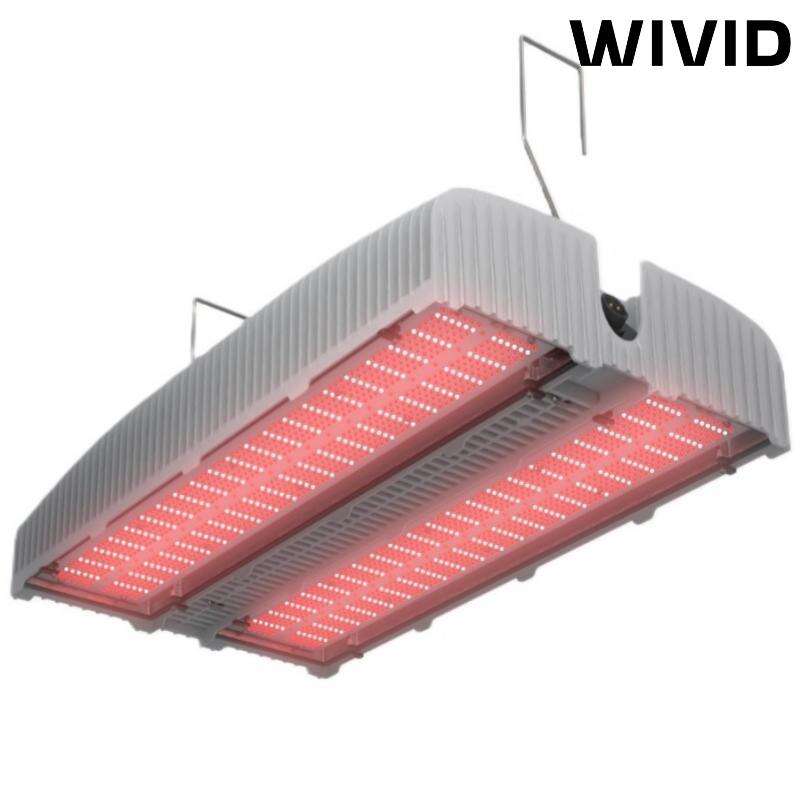
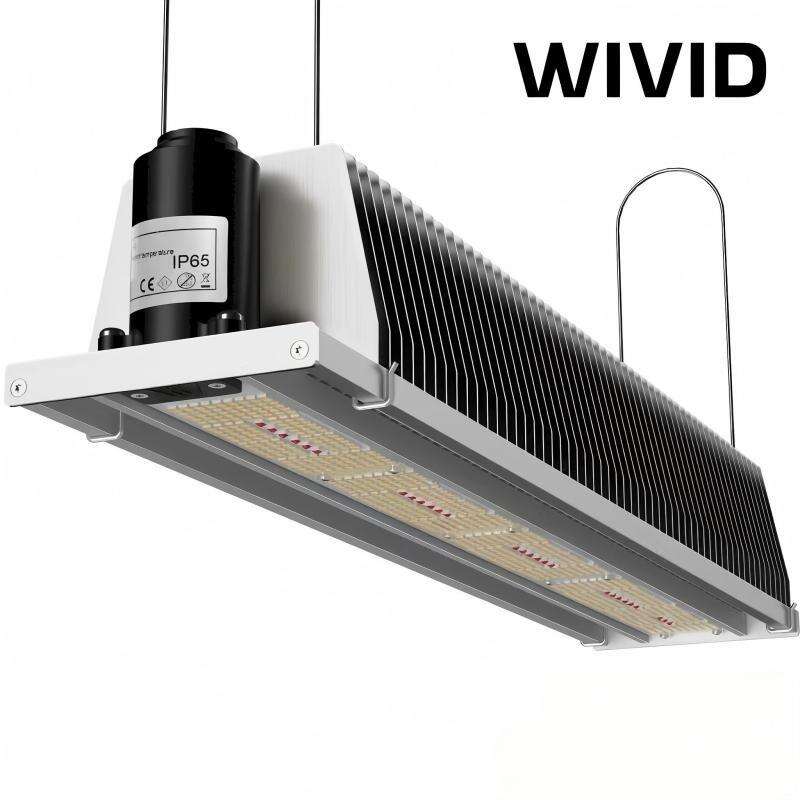
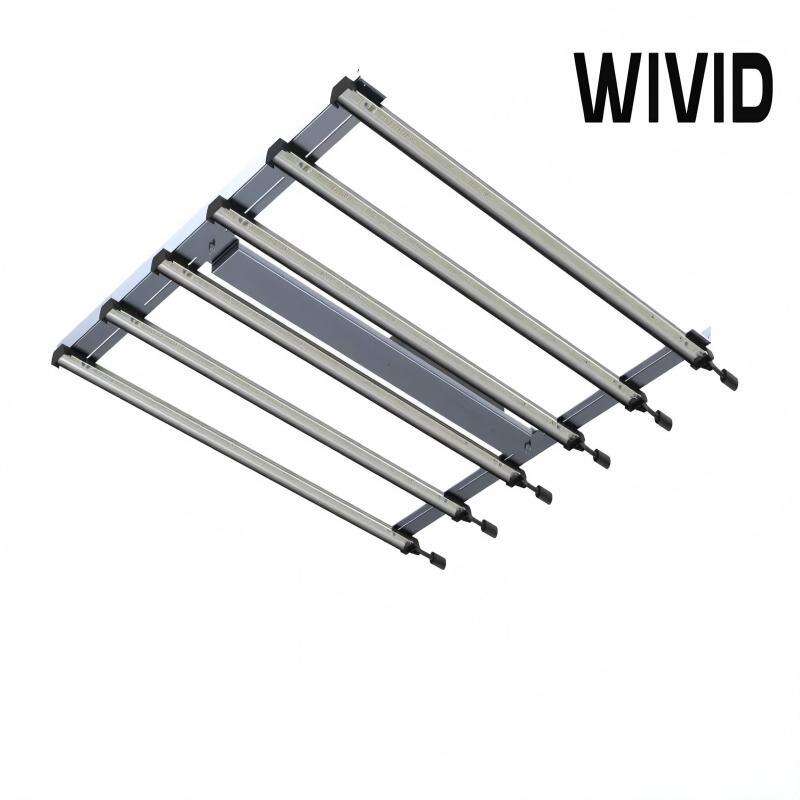
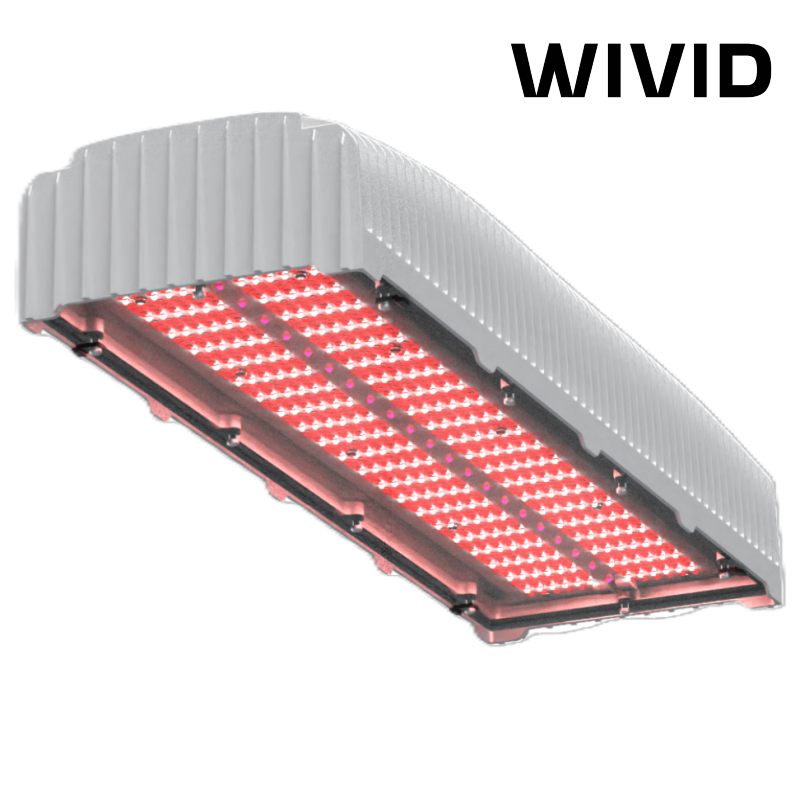
Crop specific LED spectrum represents a revolutionary advancement in agricultural lighting technology that delivers precisely calibrated wavelengths of light tailored to the unique photosynthetic requirements of different plant species. This innovative lighting solution goes beyond traditional grow lights by providing customized spectral outputs that match the exact absorption patterns of specific crops, whether tomatoes, lettuce, cannabis, strawberries, or herbs. The main function of crop specific LED spectrum technology is to optimize photosynthesis efficiency by delivering light energy in the exact wavelengths that plants utilize most effectively for growth, flowering, and fruiting. Unlike broad-spectrum lighting that wastes energy on wavelengths plants cannot use, crop specific LED spectrum focuses energy precisely where plants need it most. The technological features include advanced multi-channel LED configurations that combine red, blue, far-red, white, and sometimes UV and infrared diodes in scientifically determined ratios. These systems incorporate programmable controllers that allow growers to adjust spectrum composition throughout different growth stages, from vegetative development to flowering and harvest. Modern crop specific LED spectrum fixtures utilize sophisticated thermal management systems to maintain optimal operating temperatures, ensuring consistent light output and extended lifespan. The application scope spans commercial greenhouses, vertical farms, indoor cultivation facilities, research institutions, and home growing operations. Growers use crop specific LED spectrum to accelerate growth cycles, improve crop quality, enhance nutritional content, increase yields, and reduce energy consumption compared to conventional lighting. This technology enables year-round production regardless of external weather conditions, supports multi-tier growing systems that maximize space utilization, and provides complete control over the growing environment. The precision of crop specific LED spectrum allows cultivators to replicate ideal growing conditions consistently, resulting in predictable harvests and superior product quality that meets market demands.


New Product Releases

The advantages of crop specific LED spectrum technology deliver tangible benefits that directly impact your bottom line and operational efficiency. First and foremost, this lighting solution dramatically reduces energy costs compared to traditional high-pressure sodium or metal halide systems. You can expect energy savings of forty to sixty percent because crop specific LED spectrum directs light energy only to wavelengths plants actually absorb and use for photosynthesis. This targeted approach eliminates wasted energy on unnecessary wavelengths that generate heat without contributing to plant growth. Your electricity bills decrease substantially while your plants receive more usable light energy. The precision targeting of specific wavelengths accelerates plant development, allowing you to complete more growth cycles annually and increase overall production capacity without expanding your facility. Many growers report harvest time reductions of ten to thirty percent depending on the crop variety and growing conditions. Crop specific LED spectrum technology gives you complete control over plant morphology and development characteristics. You can influence stem elongation, leaf thickness, branching patterns, flowering timing, and fruit development by adjusting spectral composition throughout the growth cycle. This level of control enables you to produce crops with desired characteristics that meet specific market requirements and consumer preferences. The improved light quality results in superior crop attributes including enhanced flavors, increased nutritional content, higher concentrations of beneficial compounds, better shelf life, and more vibrant colors that command premium prices. Your crops look better and taste better, giving you competitive advantages in the marketplace. The extended operational lifespan of LED technology means you replace fixtures less frequently than conventional lighting systems. Quality crop specific LED spectrum fixtures typically last fifty thousand hours or more, reducing maintenance costs and eliminating frequent bulb replacement expenses. The reduced heat output from LED systems decreases your cooling requirements, further lowering energy costs while creating more comfortable working conditions in your facility. You gain flexibility to position lights closer to plant canopies without risk of heat damage, maximizing light interception and utilization efficiency. The environmental benefits align with sustainability goals that increasingly matter to consumers and retailers. You reduce your carbon footprint while producing cleaner crops without the mercury concerns associated with some traditional lighting technologies. The programmable nature of crop specific LED spectrum systems allows you to automate lighting schedules and spectral adjustments, reducing labor requirements and ensuring consistent environmental conditions that eliminate human error.

Latest News

Energy Savings and Spectral Precision

14

Jan

Energy Savings and Spectral Precision

Discover how horticultural LED lighting cuts energy use by up to 50% while boosting plant growth with optimized spectra. Reduce TCO and enhance sustainability. Learn more today.
View More
Introduction to Photosynthetically Active Radiation (PAR)

14

Jan

Introduction to Photosynthetically Active Radiation (PAR)

Discover how Photosynthetically Active Radiation (PAR) boosts photosynthesis, growth, and yields. Learn to optimize LED lighting for energy efficiency and crop quality. Read more.
View More
Comprehensive Light Planning in Controlled Environment Agriculture

12

Mar

Comprehensive Light Planning in Controlled Environment Agriculture

Maximize crop yield with precise PPFD planning. Discover how 3D light simulations improve uniformity, reduce waste, and boost photosynthesis. Get your free lighting guide.
View More
The Grow Light Spectrum

15

Jan

The Grow Light Spectrum

Maximize photosynthetic efficiency and yields with science-backed grow light spectra. Discover how blue, red, and full-spectrum lighting affect plant growth. Learn more.
View More

Get a Free Quote

Our representative will contact you soon.
Email
Mobile
Country/Region
Name
Message
0/1000

crop specific led spectrum

Customized Wavelength Optimization for Maximum Photosynthetic Efficiency

Customized Wavelength Optimization for Maximum Photosynthetic Efficiency

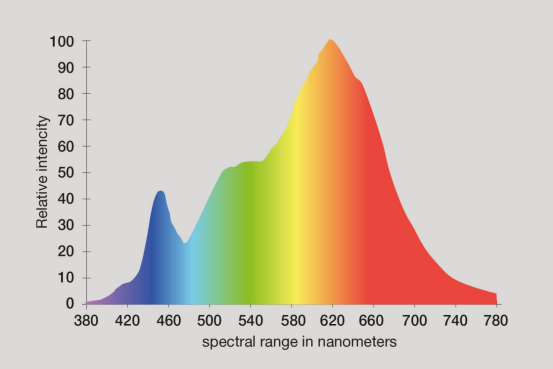
The cornerstone advantage of crop specific LED spectrum lies in its ability to deliver customized wavelength combinations that perfectly match the photosynthetic action spectrum of your particular crops. Plants have evolved to absorb light most efficiently in specific wavelength ranges, primarily in the blue spectrum around four hundred fifty nanometers and the red spectrum around six hundred sixty nanometers, where chlorophyll absorption peaks occur. Crop specific LED spectrum technology exploits this biological reality by concentrating light energy precisely in these highly effective zones while minimizing output in wavelengths that contribute little to photosynthesis. This scientific approach to lighting design represents a fundamental departure from traditional lighting that produces broad spectrum output with significant energy wasted on wavelengths plants cannot utilize efficiently. The customization extends beyond basic red and blue combinations to include carefully calibrated additions of far-red wavelengths that influence photomorphogenic responses, white spectrum components that support secondary metabolite production, and sometimes UV wavelengths that can enhance protective compound synthesis in certain crops. Different crops respond differently to spectral variations, and crop specific LED spectrum technology accounts for these differences by offering tailored solutions for leafy greens that benefit from higher blue ratios promoting compact growth, fruiting crops that require increased red and far-red during flowering phases, and specialty crops like medicinal herbs where specific wavelengths can enhance the production of valuable phytochemicals. The ability to adjust spectrum throughout growth stages provides unprecedented control over plant development trajectories. During propagation and early vegetative growth, you can emphasize blue wavelengths that promote strong root development and compact, sturdy plant structure. As plants transition to reproductive phases, you can shift toward red-enriched spectra that trigger flowering responses and support fruit development. This dynamic spectral adjustment capability allows you to guide plants through optimal development pathways that conventional static lighting cannot achieve. The photosynthetic efficiency gains translate directly into faster growth rates, higher yields, and better resource utilization throughout your operation, making crop specific LED spectrum an investment that pays dividends in both production quantity and quality improvements that strengthen your market position.
Energy Efficiency and Operational Cost Reduction

Energy Efficiency and Operational Cost Reduction

The economic advantages of crop specific LED spectrum technology extend far beyond initial purchase considerations to deliver substantial operational cost savings that accumulate over the system lifetime. Energy consumption represents one of the largest ongoing expenses in controlled environment agriculture, often accounting for thirty to fifty percent of total operational costs in indoor facilities. Crop specific LED spectrum addresses this challenge through multiple efficiency mechanisms that work synergistically to minimize energy waste. The fundamental efficiency advantage stems from the solid-state nature of LED technology, which converts electrical energy to light with far greater efficiency than gas discharge lamps that lose substantial energy to heat generation. Modern crop specific LED spectrum fixtures achieve photosynthetic photon efficacy ratings exceeding three micromoles per joule, meaning you generate three micromoles of usable photosynthetic light for every joule of electrical energy consumed. This efficiency level surpasses traditional high-pressure sodium systems by fifty percent or more, immediately cutting your lighting energy consumption in half while delivering equivalent or superior photosynthetic light levels to your crops. The reduced heat generation from efficient LED operation creates secondary savings by decreasing cooling requirements in your facility. Traditional lighting systems generate enormous heat loads that require substantial air conditioning capacity to maintain optimal growing temperatures. Crop specific LED spectrum fixtures run cooler, reducing the burden on climate control systems and lowering cooling energy consumption proportionally. In many installations, the combined lighting and cooling energy savings exceed sixty percent compared to conventional systems, representing thousands of dollars in annual savings for commercial operations. The long operational lifespan of quality crop specific LED spectrum systems, typically exceeding fifty thousand hours of service, eliminates the recurring expense of frequent lamp replacements required by traditional technologies. High-pressure sodium and metal halide lamps require replacement every twelve to eighteen months, incurring both material costs and labor expenses for fixture access and lamp disposal. LED systems maintain consistent output for years without replacement, eliminating these recurring costs while ensuring stable light levels that support consistent crop performance. The precision spectral control enables you to deliver exactly the light quality and quantity your crops need without excess, further optimizing energy utilization and preventing wasteful over-illumination that increases costs without proportional yield benefits.
Enhanced Crop Quality and Production Consistency

Enhanced Crop Quality and Production Consistency

Crop specific LED spectrum technology delivers remarkable improvements in crop quality characteristics that translate directly into market value and customer satisfaction. The precise spectral control influences numerous plant metabolic pathways beyond basic photosynthesis, affecting the synthesis of pigments, flavors, aromas, nutritional compounds, and protective substances that determine crop quality and marketability. Plants produce secondary metabolites in response to specific environmental signals, including particular wavelengths of light that trigger biosynthetic pathways for compounds like anthocyanins, carotenoids, phenolics, and essential oils. Crop specific LED spectrum allows you to manipulate these pathways intentionally by providing spectral cues that enhance desirable quality attributes in your crops. Leafy greens grown under optimized blue-enriched spectra develop deeper green coloration from increased chlorophyll density, creating visually appealing products that consumers associate with freshness and nutritional value. The controlled spectral environment also influences texture characteristics, producing leaves with optimal thickness and crispness that enhance eating quality and extend shelf life by reducing water loss and wilting susceptibility. Fruiting crops benefit from spectral adjustments during flowering and fruit development phases that improve fruit set rates, enhance size uniformity, and intensify color development that signals ripeness and quality to consumers. Tomatoes grown under crop specific LED spectrum often exhibit improved lycopene content, deeper red coloration, enhanced flavor profiles with better sugar-to-acid ratios, and firmer texture that resists damage during handling and transportation. The consistency of LED lighting eliminates the variability inherent in natural sunlight or the gradual degradation of traditional lamp output, ensuring every plant receives identical light quality throughout the growing area and across successive production cycles. This consistency produces uniform crops where every plant develops at the same rate with similar characteristics, simplifying harvest operations and ensuring reliable supply of consistent product that meets buyer specifications. The ability to replicate successful growing protocols exactly across multiple production cycles eliminates the trial-and-error variability that plagues operations relying on less controllable lighting technologies, giving you predictable results that support business planning and customer commitments. Quality improvements enabled by crop specific LED spectrum often allow premium pricing that offsets technology investment costs while building brand reputation for superior products.