Vertical Farming LED Lighting Solutions: Energy-Efficient Growing Systems for Maximum Crop Yields

All Categories

vertical farming led lighting

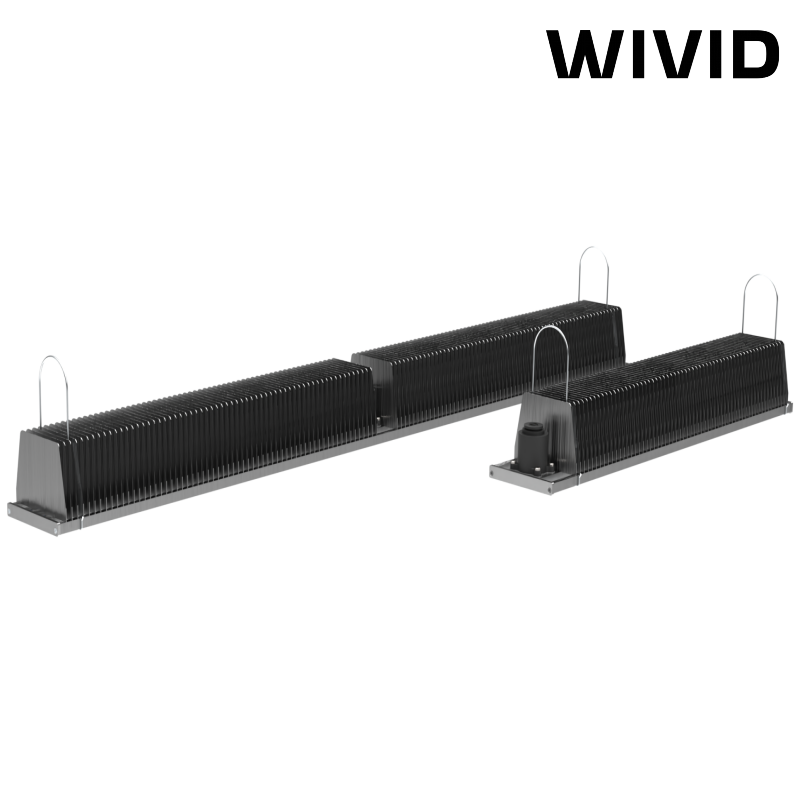
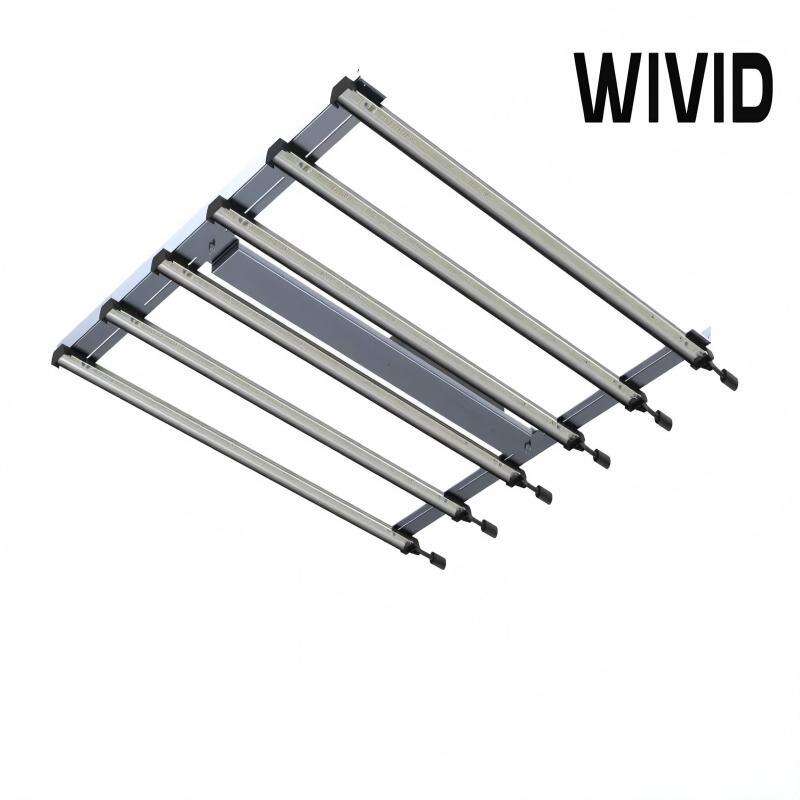
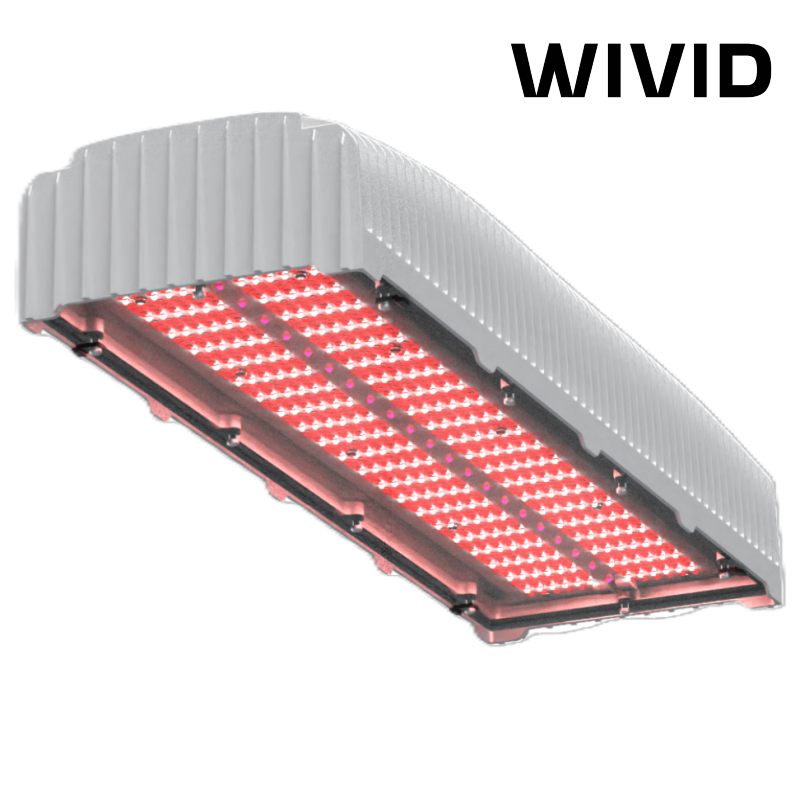
Vertical farming led lighting represents a revolutionary approach to agricultural illumination, specifically engineered to support the growth of crops in stacked, indoor environments. This innovative lighting technology serves as an artificial sun replacement, delivering precise wavelengths of light that plants require for photosynthesis and optimal development. The main functions of vertical farming led lighting include providing customizable light spectrums, maintaining consistent illumination schedules, and optimizing energy consumption while maximizing crop yields. These specialized lighting systems incorporate advanced diodes that emit specific color ranges, primarily focusing on red and blue wavelengths that plants absorb most efficiently during their growth cycles. The technological features of vertical farming led lighting encompass intelligent control systems that allow farmers to adjust intensity, duration, and spectrum composition based on specific crop requirements and growth stages. Modern systems integrate sensors and automated controls that monitor plant responses and environmental conditions, enabling real-time adjustments to lighting parameters. The energy efficiency of LED technology significantly reduces operational costs compared to traditional high-pressure sodium or fluorescent lighting systems, while generating minimal heat output that helps maintain optimal growing temperatures. Applications of vertical farming led lighting span across commercial agricultural operations, urban farming initiatives, research facilities, and home gardening systems. Commercial growers utilize these lights to produce leafy greens, herbs, microgreens, strawberries, and various vegetables throughout the year, independent of external weather conditions or seasonal limitations. Research institutions employ vertical farming led lighting to study plant biology, test new cultivation techniques, and develop improved crop varieties under controlled conditions. The technology also supports pharmaceutical companies growing medicinal plants and enables restaurants to maintain fresh herb gardens on-site, ensuring ingredient quality and reducing transportation costs.

New Product Releases

The advantages of vertical farming led lighting extend far beyond simple illumination, offering practical benefits that directly impact your bottom line and operational efficiency. First and foremost, these lighting systems deliver exceptional energy savings, consuming up to seventy percent less electricity than conventional lighting technologies while producing equivalent or superior growing results. Your monthly utility bills decrease substantially, allowing you to allocate resources toward expanding operations or improving other aspects of your facility. The reduced energy consumption also aligns with sustainability goals, minimizing your carbon footprint and appealing to environmentally conscious consumers who increasingly prefer products grown using eco-friendly methods. Another significant advantage involves the extended lifespan of LED components, which typically operate effectively for fifty thousand hours or more before requiring replacement. This longevity translates to reduced maintenance costs, fewer disruptions to your growing cycles, and less waste generation compared to traditional bulbs that need frequent changing. The minimal heat emission from vertical farming led lighting creates a safer working environment and reduces the burden on cooling systems, further decreasing energy expenses while preventing heat stress that can damage delicate crops. You gain precise control over light intensity and spectrum composition, enabling you to tailor conditions for specific plant varieties and growth stages, which results in faster maturation rates, improved nutritional content, and enhanced flavor profiles that command premium prices in the marketplace. The consistent, reliable output from vertical farming led lighting eliminates the variability associated with natural sunlight, ensuring predictable harvests and stable product quality that builds customer trust and loyalty. Space efficiency represents another compelling advantage, as the compact design of LED fixtures allows for closer placement to plants without burning foliage, maximizing your vertical growing area and increasing production capacity per square foot. The immediate on-off capability of LEDs enables flexible lighting schedules that can simulate natural day-night cycles or implement specialized photoperiod strategies to accelerate flowering or extend vegetative growth as needed for your specific crops. Installation proves straightforward, with lightweight fixtures that mount easily to existing infrastructure and integrate seamlessly with automated control systems that simplify operation management even for personnel without extensive technical backgrounds.

Latest News

Energy Savings and Spectral Precision

14

Jan

Energy Savings and Spectral Precision

Discover how horticultural LED lighting cuts energy use by up to 50% while boosting plant growth with optimized spectra. Reduce TCO and enhance sustainability. Learn more today.
View More
Introduction to Photosynthetically Active Radiation (PAR)

14

Jan

Introduction to Photosynthetically Active Radiation (PAR)

Discover how Photosynthetically Active Radiation (PAR) boosts photosynthesis, growth, and yields. Learn to optimize LED lighting for energy efficiency and crop quality. Read more.
View More
Comprehensive Light Planning in Controlled Environment Agriculture

12

Mar

Comprehensive Light Planning in Controlled Environment Agriculture

Maximize crop yield with precise PPFD planning. Discover how 3D light simulations improve uniformity, reduce waste, and boost photosynthesis. Get your free lighting guide.
View More
The Grow Light Spectrum

15

Jan

The Grow Light Spectrum

Maximize photosynthetic efficiency and yields with science-backed grow light spectra. Discover how blue, red, and full-spectrum lighting affect plant growth. Learn more.
View More

Get a Free Quote

Our representative will contact you soon.
Email
Mobile
Country/Region
Name
Message
0/1000

vertical farming led lighting

Customizable Light Spectrum Technology for Optimal Plant Development

Customizable Light Spectrum Technology for Optimal Plant Development

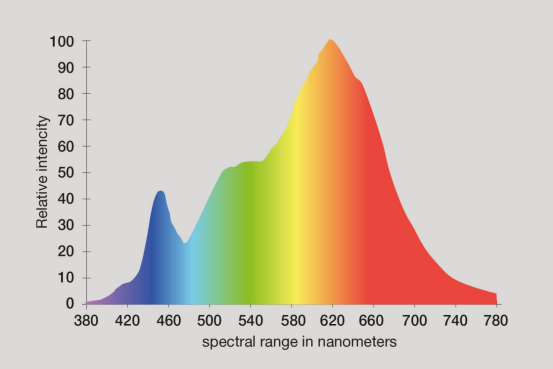
Vertical farming led lighting incorporates groundbreaking customizable spectrum technology that empowers growers to fine-tune light composition precisely matching the physiological needs of different plant species and developmental stages. Unlike traditional lighting that emits a fixed spectrum, these advanced LED systems allow you to adjust the ratio of red, blue, green, and far-red wavelengths, creating optimal conditions for germination, vegetative growth, flowering, and fruiting phases. Red wavelengths, typically ranging from six hundred to seven hundred nanometers, primarily drive photosynthesis and influence stem elongation and flowering responses, while blue wavelengths between four hundred and five hundred nanometers regulate plant morphology, promoting compact growth and enhancing chlorophyll production. By manipulating these ratios through vertical farming led lighting controls, you can encourage bushier plants with stronger stems, intensify leaf coloration, increase essential oil production in herbs, or accelerate flowering to shorten crop cycles and improve turnover rates. This spectrum customization capability proves particularly valuable when cultivating multiple crop varieties simultaneously within the same facility, as you can create distinct lighting zones tailored to the specific requirements of lettuce, basil, strawberries, or other produce without compromising individual plant performance. The technology also enables you to implement dynamic lighting recipes that automatically adjust spectrum composition as plants mature, ensuring they receive optimal wavelengths throughout their entire lifecycle without manual intervention. Research demonstrates that strategic spectrum management through vertical farming led lighting can increase nutritional content, with studies showing elevated levels of vitamins, antioxidants, and beneficial phytonutrients in produce grown under specifically tuned LED illumination compared to conventional lighting methods. The ability to emphasize blue wavelengths during final growth stages can intensify flavors and increase the concentration of health-promoting compounds, creating premium products that differentiate your brand and justify higher pricing. Furthermore, customizable spectrum technology allows you to address specific challenges such as preventing premature bolting in lettuce, encouraging uniform ripening in tomatoes, or controlling plant height in space-constrained environments, providing solutions to common cultivation obstacles that previously limited productivity or product quality in vertical farming operations.

Intelligent Energy Management and Automation Integration

Intelligent Energy Management and Automation Integration

The intelligent energy management capabilities built into modern vertical farming led lighting systems represent a transformative advantage for commercial operations seeking to optimize resource utilization and streamline cultivation processes. These sophisticated systems incorporate smart controllers and sensors that continuously monitor environmental parameters, plant responses, and energy consumption patterns, automatically adjusting lighting output to maintain ideal growing conditions while minimizing electricity usage. The integration capabilities allow vertical farming led lighting to communicate with broader facility management systems, coordinating operation with HVAC equipment, irrigation controllers, and nutrient delivery systems to create a holistic, synchronized growing environment that responds dynamically to changing conditions. You can program complex lighting schedules that simulate natural sunrise and sunset transitions, implement photoperiod strategies for photoperiod-sensitive crops, or execute specialized lighting protocols designed to enhance specific plant characteristics, all through intuitive software interfaces accessible from computers or mobile devices. The data collection features embedded in advanced vertical farming led lighting systems provide valuable insights into energy consumption patterns, operational efficiency metrics, and correlations between lighting parameters and crop performance, enabling evidence-based decision-making that continuously improves your cultivation practices. Remote monitoring and control capabilities mean you can oversee and adjust lighting conditions from anywhere, receiving alerts about system malfunctions, maintenance requirements, or deviations from target parameters that require attention, ensuring problems get addressed promptly before they impact crop quality or yields. The automation integration reduces labor requirements by eliminating the need for manual light adjustments throughout the day, freeing your staff to focus on other critical tasks such as harvesting, quality control, and packaging activities that directly contribute to revenue generation. Dimming capabilities built into vertical farming led lighting systems enable gradual intensity adjustments that prevent shock to plants while allowing you to reduce power consumption during periods when full output is unnecessary, such as during early seedling stages or when natural daylight supplementation is available. The intelligent controllers can implement demand-response strategies that shift energy-intensive lighting operations to off-peak hours when electricity rates are lower, substantially reducing operational costs without compromising plant development or extending production timelines. Predictive maintenance features analyze performance data to identify components approaching end-of-life, scheduling replacements proactively to prevent unexpected failures that could disrupt growing cycles or damage crops.
Superior Heat Management for Enhanced Growing Environment Control

Superior Heat Management for Enhanced Growing Environment Control

Superior heat management stands as a defining characteristic of vertical farming led lighting technology, delivering crucial advantages that directly impact plant health, facility operating costs, and overall production efficiency. Traditional lighting systems such as high-pressure sodium or metal halide fixtures generate substantial heat as a byproduct of light production, requiring extensive cooling infrastructure and consuming enormous amounts of energy to maintain appropriate growing temperatures, particularly in enclosed vertical farming environments where heat accumulation becomes problematic. In contrast, vertical farming led lighting converts a much higher percentage of electrical energy directly into usable light wavelengths rather than waste heat, with modern LEDs achieving conversion efficiencies exceeding fifty percent compared to less than thirty percent for conventional technologies. This fundamental efficiency advantage means your facility requires significantly less air conditioning capacity to maintain optimal growing temperatures, reducing both initial equipment investment and ongoing operational expenses associated with cooling systems. The reduced heat output from vertical farming led lighting allows fixtures to be positioned much closer to plant canopies without risk of heat damage or burning, typically within inches of foliage compared to the several feet of clearance required for traditional high-intensity discharge lamps. This proximity placement maximizes light delivery efficiency, ensuring plants receive intense, uniform illumination while minimizing wasted light that fails to reach plant surfaces, thereby improving overall system efficiency and crop production per unit of energy consumed. The improved thermal management provided by vertical farming led lighting creates more stable environmental conditions throughout your growing space, eliminating hot spots that can cause uneven growth patterns, reducing temperature fluctuations that stress plants and compromise immune function, and maintaining consistent humidity levels that prevent disease proliferation. Your HVAC systems operate more efficiently and experience less wear when not constantly battling excessive heat loads, extending equipment lifespan and reducing maintenance requirements that would otherwise drain financial resources and require operational shutdowns. The comfortable working environment resulting from reduced heat makes facilities more pleasant for employees, potentially improving productivity, reducing turnover, and enhancing safety by minimizing heat-related health risks during extended work periods. Fire safety improves significantly with vertical farming led lighting since the cool-operating fixtures present minimal ignition risk compared to extremely hot traditional lamps that can ignite flammable materials if fixtures fail or come into contact with plants, packaging materials, or other combustibles present in agricultural environments. The thermal advantages extend to simplified facility design, as vertical farming led lighting installations require less complex ventilation systems, smaller ductwork, and reduced structural support for heavy cooling equipment, lowering construction costs and creating more flexible space utilization options.