Intelligent Automation for Simplified Operations and Consistent Results
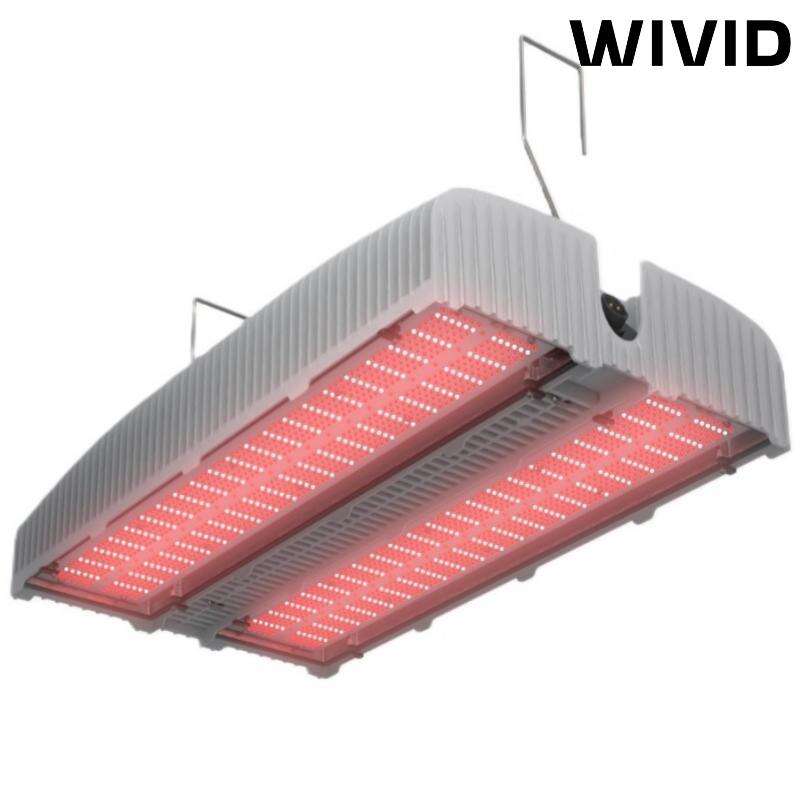
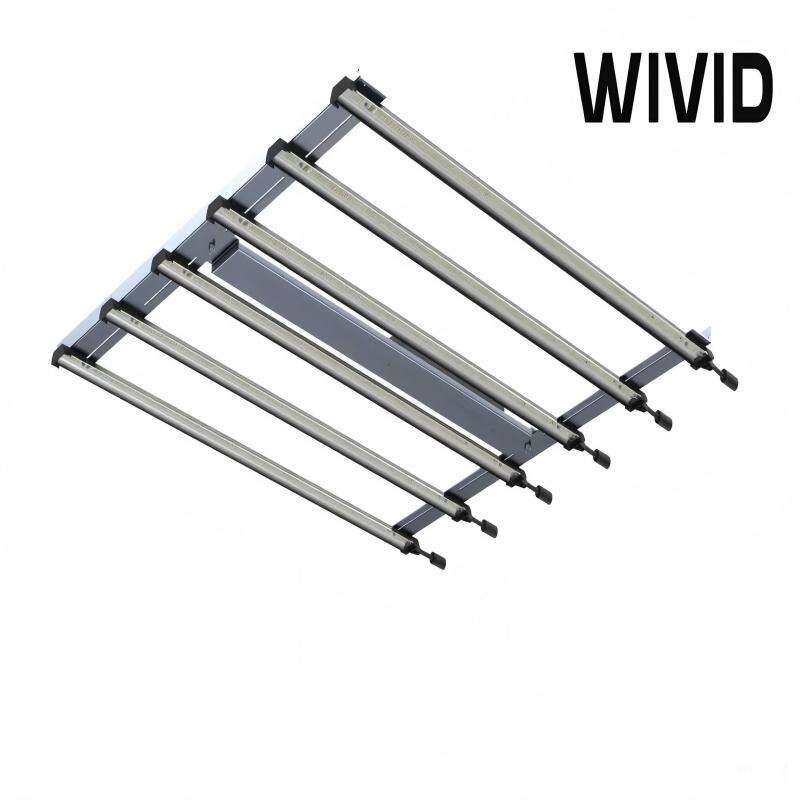
The vertical farming lighting system incorporates sophisticated automation capabilities that simplify complex growing operations while ensuring consistent, repeatable results across multiple crop cycles. Intelligent control systems manage every aspect of lighting delivery, from daily photoperiod timing to gradual intensity adjustments that simulate natural dawn and dusk transitions. This automation eliminates human error that can compromise crop quality or delay harvest schedules, replacing manual interventions with precise, programmed responses to predetermined conditions. Operators can create detailed lighting schedules that span entire growth cycles, specifying different parameters for each developmental stage and allowing the vertical farming lighting system to execute these plans automatically without daily oversight. Integration with environmental sensors enables responsive adjustments based on real-time conditions, such as increasing light intensity on cloudy days when supplemental greenhouse lighting is needed or reducing output when temperatures rise to prevent heat stress. The system logs all operational data, creating comprehensive records that support quality certifications, enable performance analysis, and facilitate continuous improvement through data-driven decision making. Remote monitoring capabilities allow facility managers to oversee multiple growing rooms or even geographically distributed facilities from centralized control interfaces, receiving alerts about any deviations from optimal parameters and making adjustments from anywhere with internet connectivity. This remote management capability proves especially valuable for operations running 24-hour production schedules or managing facilities in locations where on-site technical expertise is limited. The vertical farming lighting system can implement complex light recipes developed by research institutions or crop specialists, translating scientific knowledge into practical growing protocols that less experienced operators can execute successfully. Automated scheduling ensures crops receive consistent treatment regardless of which staff members are on duty, eliminating the variability that occurs when different individuals make subjective decisions about lighting management. The technology supports A/B testing methodologies where operators can compare different lighting strategies across identical growing environments, generating empirical evidence about which approaches deliver superior results for specific crops or business objectives. Predictive maintenance features monitor system performance and component health, alerting operators to potential issues before failures occur and scheduling maintenance during planned downtime rather than experiencing unexpected production interruptions. The vertical farming lighting system can synchronize with other facility systems including irrigation, climate control, and nutrient delivery, creating integrated growing environments where all parameters work in harmony to optimize plant development. This holistic automation reduces labor requirements, allowing smaller teams to manage larger operations while maintaining high quality standards and consistent output that meets market specifications.

 EN
EN