Vertical Farming LED Grow Lights - Advanced Full Spectrum Indoor Growing Solutions

All Categories

vertical farming led grow lights

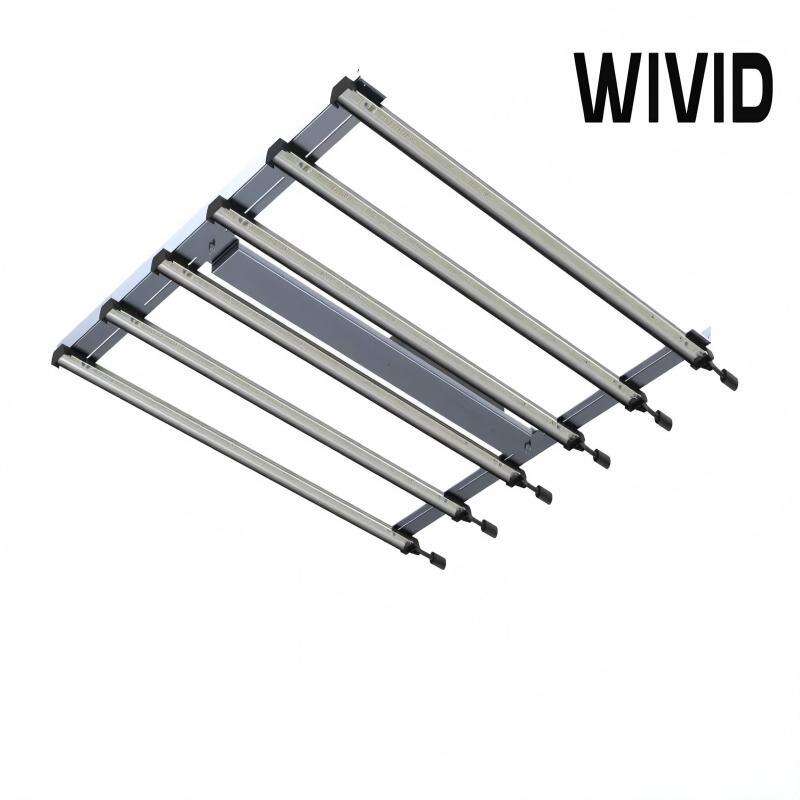
Vertical farming led grow lights represent a revolutionary lighting solution designed specifically for modern indoor agriculture and controlled environment systems. These specialized lighting fixtures deliver precise wavelengths of light that plants require for photosynthesis, growth, and development throughout their entire lifecycle. The main function of vertical farming led grow lights centers on providing optimal illumination in multi-tiered cultivation systems where natural sunlight cannot reach all plant levels effectively. By utilizing advanced LED technology, these grow lights emit specific light spectrums including red, blue, white, and sometimes far-red wavelengths that correspond to different stages of plant growth. The technological features include programmable spectrum control, allowing growers to adjust light composition based on crop requirements, growth phases, and desired outcomes. Energy efficiency stands as a cornerstone feature, with these LED systems consuming significantly less electricity compared to traditional high-pressure sodium or metal halide lamps while generating minimal heat output. This reduced heat generation enables closer placement to plant canopies without causing heat stress or leaf burn. Vertical farming led grow lights incorporate intelligent control systems that enable precise scheduling of photoperiods, dimming capabilities, and intensity adjustments through digital interfaces or smartphone applications. The waterproof and dustproof construction ensures durability in humid growing environments typical of vertical farms. Applications span across commercial vertical farming operations, urban agriculture facilities, research institutions, pharmaceutical cultivation, leafy greens production, microgreens farming, and herb cultivation. These lighting systems prove particularly valuable in regions with limited arable land, extreme climates, or urban centers where fresh produce demand remains high but growing space is scarce. The modular design of vertical farming led grow lights facilitates easy installation across multiple growing racks and allows scalability as operations expand, making them essential infrastructure for sustainable food production in the 21st century.

New Product Recommendations

Vertical farming led grow lights deliver remarkable energy savings that directly impact operational costs and profitability for growers of all scales. These lighting systems consume approximately 40 to 60 percent less electricity than conventional grow lights, translating to substantial reductions in monthly utility bills and improved return on investment over time. The long operational lifespan of quality LED components means these lights function effectively for 50,000 to 100,000 hours before requiring replacement, eliminating frequent bulb changes and reducing maintenance expenses. Growers benefit from precise control over light spectrum and intensity, enabling them to tailor growing conditions to specific crop varieties and accelerate growth cycles. This customization capability results in faster harvest times, increased yields per square foot, and improved crop quality with enhanced nutritional content, flavor profiles, and visual appeal. The low heat emission characteristic prevents energy waste on additional cooling systems that would otherwise be necessary with traditional grow lights generating excessive heat. Farmers can position vertical farming led grow lights closer to plants without risking heat damage, maximizing light absorption efficiency and promoting uniform growth across all cultivation levels. Installation simplicity represents another practical advantage, as these lighting systems mount easily to existing rack structures without requiring complex electrical modifications or specialized installation expertise. The instant-on functionality eliminates warm-up periods, allowing immediate light delivery when needed and facilitating responsive growing schedule adjustments. Environmental benefits extend beyond the growing facility, as reduced energy consumption decreases carbon footprint and supports sustainable agriculture practices that resonate with environmentally conscious consumers. Vertical farming led grow lights produce minimal light pollution and contain no hazardous materials like mercury found in some traditional bulbs, simplifying disposal and reducing environmental impact. The consistent light output throughout the operational lifespan ensures plants receive stable growing conditions without the degradation issues associated with older lighting technologies. Growers appreciate the silent operation of LED systems, creating more pleasant working environments compared to noisy ballasts and cooling fans required by alternative lighting solutions. The compact form factor and lightweight construction facilitate efficient use of vertical space, essential in urban farming operations where maximizing production capacity within limited square footage determines business viability. Smart connectivity features enable remote monitoring and control, allowing facility managers to optimize growing conditions from anywhere while reducing labor requirements for manual adjustments. These combined advantages make vertical farming led grow lights an intelligent investment that pays dividends through reduced costs, improved productivity, enhanced crop quality, and operational flexibility that traditional lighting simply cannot match.

Latest News

Energy Savings and Spectral Precision

14

Jan

Energy Savings and Spectral Precision

Discover how horticultural LED lighting cuts energy use by up to 50% while boosting plant growth with optimized spectra. Reduce TCO and enhance sustainability. Learn more today.
View More
Introduction to Photosynthetically Active Radiation (PAR)

14

Jan

Introduction to Photosynthetically Active Radiation (PAR)

Discover how Photosynthetically Active Radiation (PAR) boosts photosynthesis, growth, and yields. Learn to optimize LED lighting for energy efficiency and crop quality. Read more.
View More
Comprehensive Light Planning in Controlled Environment Agriculture

12

Mar

Comprehensive Light Planning in Controlled Environment Agriculture

Maximize crop yield with precise PPFD planning. Discover how 3D light simulations improve uniformity, reduce waste, and boost photosynthesis. Get your free lighting guide.
View More
The Grow Light Spectrum

15

Jan

The Grow Light Spectrum

Maximize photosynthetic efficiency and yields with science-backed grow light spectra. Discover how blue, red, and full-spectrum lighting affect plant growth. Learn more.
View More

Get a Free Quote

Our representative will contact you soon.
Email
Mobile
Country/Region
Name
Message
0/1000

vertical farming led grow lights

Spectrum Optimization Technology for Maximum Plant Performance

Spectrum Optimization Technology for Maximum Plant Performance

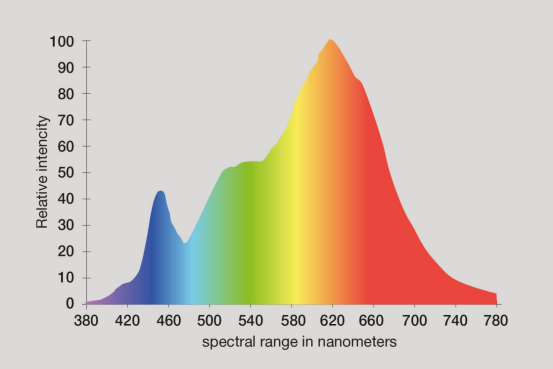
The spectrum optimization technology integrated within vertical farming led grow lights represents a breakthrough in horticultural science application that fundamentally transforms how plants receive light energy for growth and development. Unlike traditional lighting that emits broad, uncontrolled wavelengths, these advanced LED systems deliver targeted light spectrums precisely calibrated to plant photoreceptors and metabolic processes. Blue wavelengths in the 400 to 500 nanometer range promote vegetative growth, compact plant structure, and strong stem development, making them essential during early growth stages. Red wavelengths between 600 to 700 nanometers drive flowering, fruiting, and overall biomass production by maximizing photosynthetic efficiency. The ability to adjust the ratio between these wavelengths allows growers to influence plant morphology, accelerate or slow growth rates, and enhance specific characteristics like leaf thickness, root development, or essential oil production in herbs. Some vertical farming led grow lights incorporate far-red wavelengths that regulate photoperiod responses and shade avoidance mechanisms, providing additional control over plant behavior and development timing. White light components ensure comprehensive coverage across the visible spectrum, supporting secondary metabolite production and providing natural color rendering for easier crop monitoring and quality assessment. This spectral flexibility proves invaluable when cultivating diverse crop varieties within the same facility, as different plants respond optimally to different light recipes. Lettuce varieties may thrive under blue-dominant spectrums promoting tight, compact heads, while tomatoes require red-enriched light for optimal fruit set and development. The programmable nature of spectrum control enables growers to implement dynamic lighting strategies that change throughout the day or growth cycle, mimicking natural sunrise and sunset transitions or providing targeted light treatments to address specific physiological needs. Research facilities utilize this capability to conduct controlled experiments exploring how different spectral combinations affect nutritional content, growth rates, disease resistance, and post-harvest shelf life. Commercial operations leverage spectrum optimization to differentiate their products, producing premium crops with enhanced coloration, flavor intensity, or nutritional profiles that command higher market prices. The energy efficiency gains from spectrum targeting cannot be overstated, as plants only utilize specific wavelengths for photosynthesis, meaning unused spectral energy in traditional lights represents wasted electricity. By delivering only beneficial wavelengths, vertical farming led grow lights maximize photosynthetic photon efficacy, converting more electrical input into usable plant energy. This technological sophistication empowers growers with unprecedented control over their cultivation environment, transforming indoor farming from simple light provision to precision agricultural engineering that optimizes every aspect of plant biology for superior outcomes.

Thermal Management Excellence Enabling Optimal Growing Density

Thermal Management Excellence Enabling Optimal Growing Density

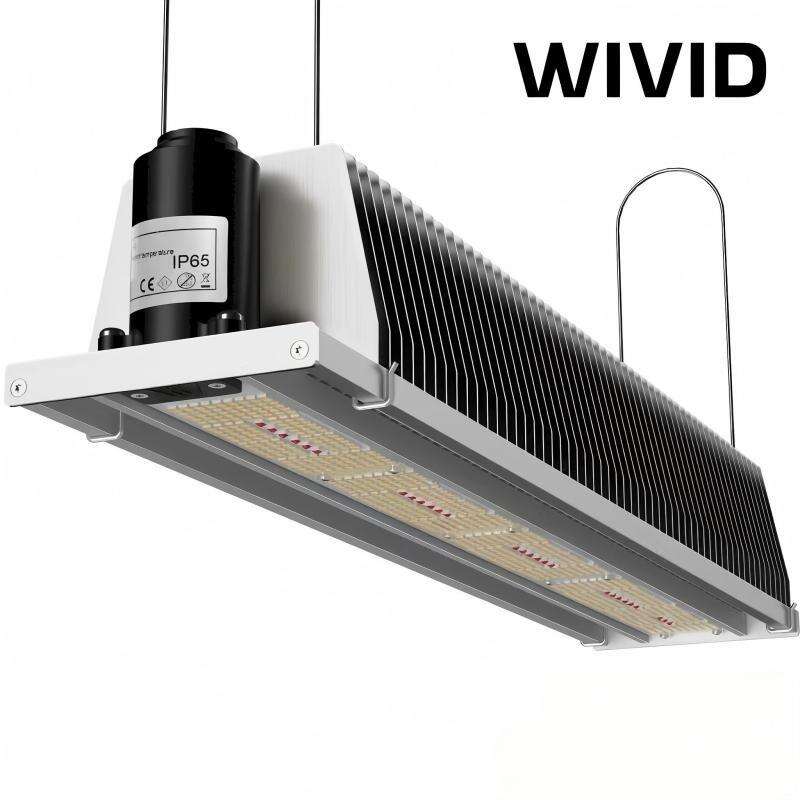
Thermal management excellence stands as a defining characteristic of vertical farming led grow lights that directly enables the high-density, multi-tiered cultivation systems essential to vertical farming profitability and space efficiency. Traditional grow lights generate substantial heat as a byproduct of light production, requiring extensive ventilation systems, air conditioning infrastructure, and safety clearances that limit how many growing levels can be stacked vertically and how closely lights can be positioned to plant canopies. The advanced thermal engineering in modern LED grow lights fundamentally solves this challenge through efficient solid-state lighting technology that converts electrical energy primarily into light rather than heat. High-quality vertical farming led grow lights incorporate aluminum heat sinks with precisely calculated fin designs that maximize surface area for passive heat dissipation, often enhanced by active cooling systems using whisper-quiet fans that direct heat away from growing areas. This superior heat management allows lights to be mounted just inches above plant canopies, dramatically improving light interception efficiency and ensuring even the lowest leaves receive adequate photosynthetically active radiation. The proximity positioning capability becomes particularly critical in leafy greens and microgreens production where maximizing vertical density determines economic viability, as each additional growing tier within the same vertical space multiplies production capacity without increasing facility footprint costs. Reduced heat output eliminates the hot spots and temperature gradients common with conventional lighting, creating uniform thermal environments across entire growing racks that promote consistent plant development and eliminate quality variations between tiers. Climate control becomes significantly more manageable and cost-effective when lighting systems contribute minimal heat load to the growing environment, reducing air conditioning capacity requirements and operational expenses. Growers gain flexibility to maintain optimal temperature ranges for different crop varieties without fighting against excessive heat generated by lighting infrastructure. The thermal stability provided by vertical farming led grow lights proves especially valuable during summer months or in warmer climates where heat management challenges can otherwise limit production schedules or compromise crop quality. Lower operating temperatures extend the lifespan of electronic components within the lighting fixtures themselves, ensuring reliable long-term performance and protecting the substantial capital investment these systems represent. The reduced fire risk associated with cool-operating LED technology provides additional safety benefits and may reduce insurance costs for farming facilities. Energy that would be wasted as heat in traditional systems gets redirected into productive light output, improving overall system efficiency and sustainability. The combination of close canopy positioning, uniform thermal distribution, and minimal cooling requirements creates ideal conditions for accelerated growth cycles and year-round production consistency regardless of external weather conditions. This thermal management excellence transforms vertical farming from a theoretical concept into a practical, scalable business model by enabling the dense vertical stacking that makes indoor agriculture economically competitive with traditional field farming despite higher infrastructure costs per square foot of growing area.
Intelligent Control Integration for Precision Agriculture Management

Intelligent Control Integration for Precision Agriculture Management

Intelligent control integration within vertical farming led grow lights represents the convergence of horticultural expertise and digital technology, creating sophisticated precision agriculture tools that optimize plant production through data-driven decision making and automated environmental management. Modern LED grow light systems incorporate microprocessors and connectivity features that enable seamless integration with facility management platforms, allowing growers to program complex lighting schedules, monitor real-time performance metrics, and make adjustments remotely through intuitive software interfaces. This digital control capability transforms static lighting infrastructure into dynamic, responsive systems that adapt to changing crop needs throughout growth cycles. Growers can establish automated photoperiod schedules that precisely control day length for photoperiod-sensitive crops, triggering flowering or maintaining vegetative growth as production goals dictate. Dimming functionality enables gradual sunrise and sunset simulations that reduce plant stress compared to abrupt lighting transitions, while also allowing intensity adjustments that match light delivery to specific growth stages or ambient light contributions in greenhouse applications. The spectrum control features discussed earlier become truly powerful when integrated with intelligent scheduling systems that automatically shift light recipes throughout the day or growth cycle based on proven horticultural protocols. Energy management capabilities help growers capitalize on time-of-use electricity pricing by scheduling high-intensity lighting periods during off-peak hours when rates are lowest, or by implementing demand response programs that reduce power consumption during grid stress events in exchange for utility incentives. Sensor integration potential enables closed-loop control systems where environmental sensors measuring temperature, humidity, and CO2 levels communicate with lighting controllers to optimize conditions holistically rather than managing individual parameters in isolation. Some advanced vertical farming led grow lights include built-in light sensors that measure photosynthetically active radiation at the canopy level, automatically adjusting output to maintain target daily light integral values regardless of fixture aging or environmental factors. Data logging capabilities create valuable records of environmental conditions and lighting parameters that support continuous improvement efforts, regulatory compliance documentation, and troubleshooting when crop issues arise. Alert systems notify facility managers of equipment malfunctions, unusual operating conditions, or maintenance needs before minor issues escalate into crop losses or system failures. The scalability of intelligent control systems proves essential for commercial operations managing hundreds or thousands of lighting fixtures across multiple growing rooms or facilities, as centralized management platforms eliminate the impracticality of manually adjusting individual lights. Remote access capabilities enable expert consultation and support, allowing equipment manufacturers or agronomic advisors to diagnose issues and optimize settings without on-site visits. Recipe libraries within control software allow growers to save and replicate successful lighting protocols across crops, rooms, or facilities, standardizing production processes and ensuring consistent quality. Integration with other facility systems including irrigation controllers, nutrient dosing equipment, and climate control creates comprehensive growing environments where all parameters work synergistically toward optimal plant performance. This intelligent control integration elevates vertical farming led grow lights from simple illumination devices to central components of sophisticated agricultural technology systems that make indoor farming more productive, profitable, and accessible to growers regardless of their prior horticultural experience or technical expertise.