vertical farming lighting
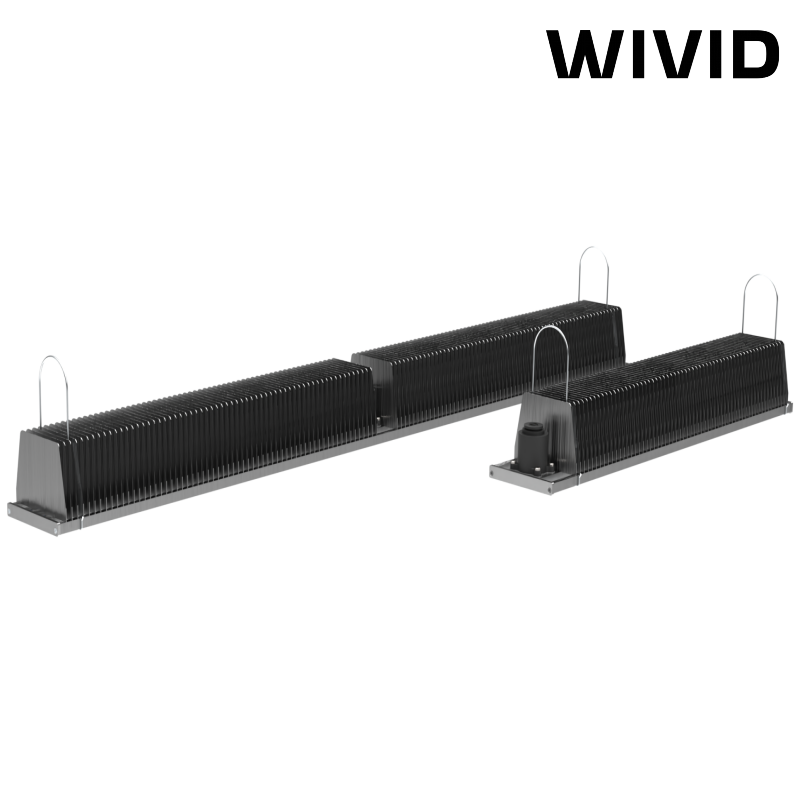
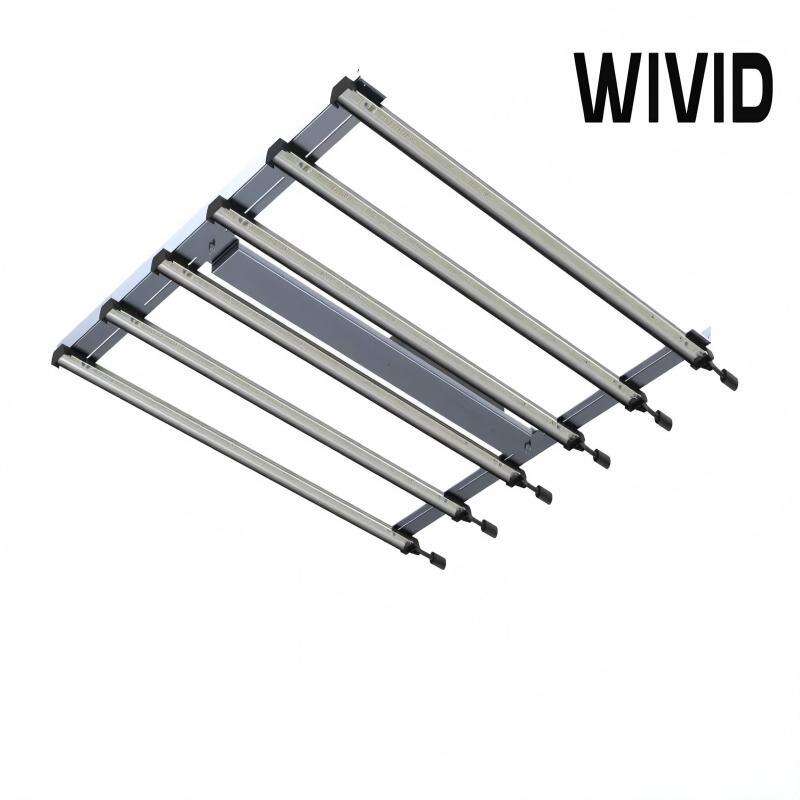
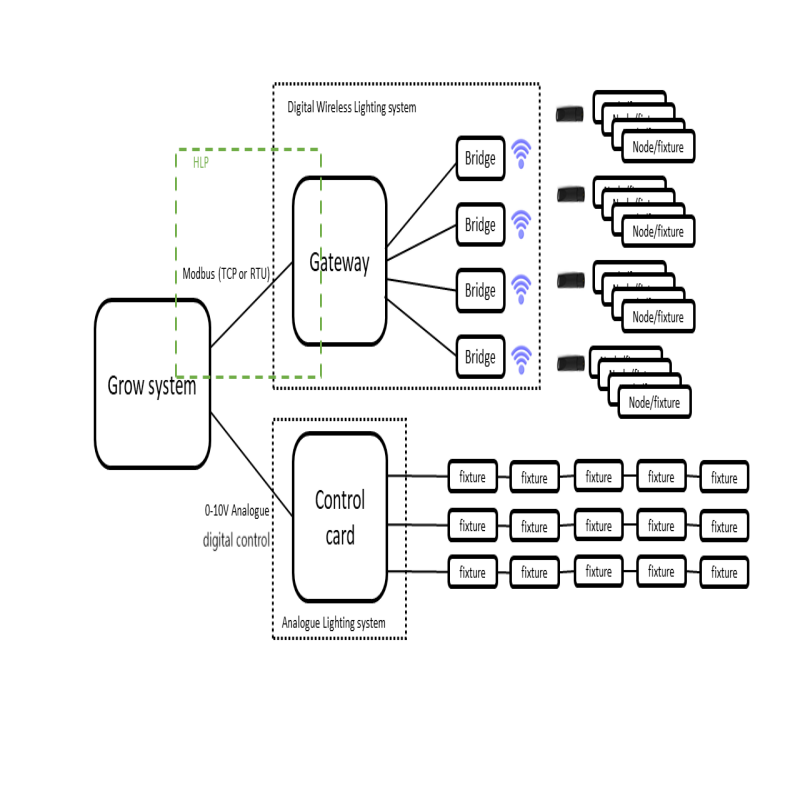
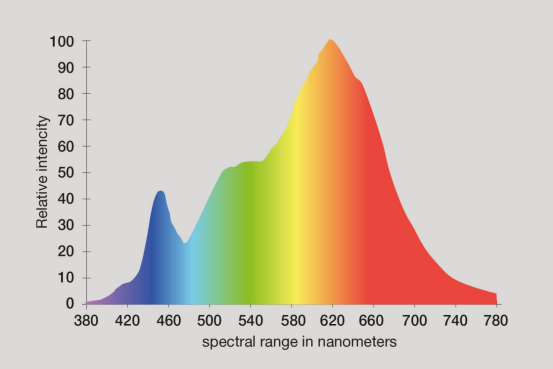
Vertical farming lighting represents a revolutionary advancement in agricultural technology, designed specifically to support plant growth in controlled indoor environments where natural sunlight is unavailable or insufficient. This specialized illumination system serves as the primary energy source for photosynthesis in multi-level cultivation facilities, enabling farmers to grow crops year-round regardless of external weather conditions or geographical limitations. The main functions of vertical farming lighting include providing the precise light spectrum that plants require for optimal growth, delivering consistent photosynthetic photon flux density across all cultivation levels, and maintaining energy-efficient operations that make indoor farming economically viable. These lighting solutions typically employ LED technology, which has transformed the industry by offering unprecedented control over light wavelengths, intensity, and duration. The technological features of modern vertical farming lighting systems include full-spectrum capabilities that can be customized to match specific crop requirements, intelligent control systems that adjust lighting parameters automatically based on plant growth stages, thermal management designs that minimize heat output to prevent crop damage, and modular configurations that allow farmers to scale operations efficiently. Advanced systems incorporate sensors and data analytics to monitor plant responses and optimize light delivery in real-time. Applications of vertical farming lighting span across various agricultural sectors, including commercial vegetable production, herb cultivation, pharmaceutical plant growing, research facilities, and urban farming initiatives. These systems are particularly valuable in regions with limited arable land, harsh climates, or food security concerns. The technology enables precise control over growing conditions, resulting in faster growth cycles, higher yields per square foot, and superior crop quality compared to traditional farming methods. Vertical farming lighting has become essential infrastructure for sustainable food production, supporting the global movement toward local food systems and reducing the environmental impact associated with conventional agriculture and long-distance food transportation.

 EN
EN