vertical farming led lights
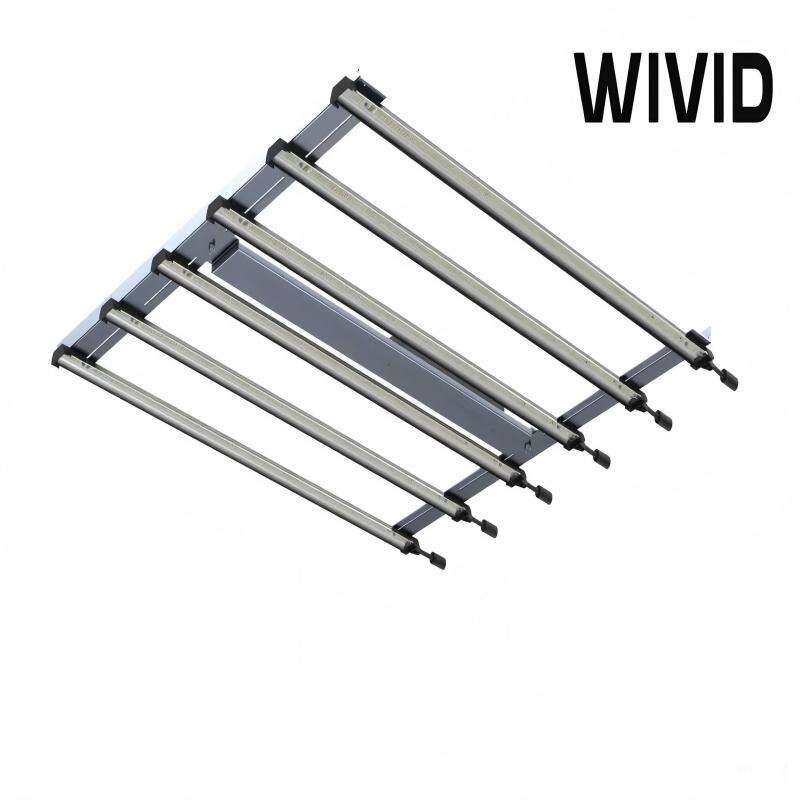
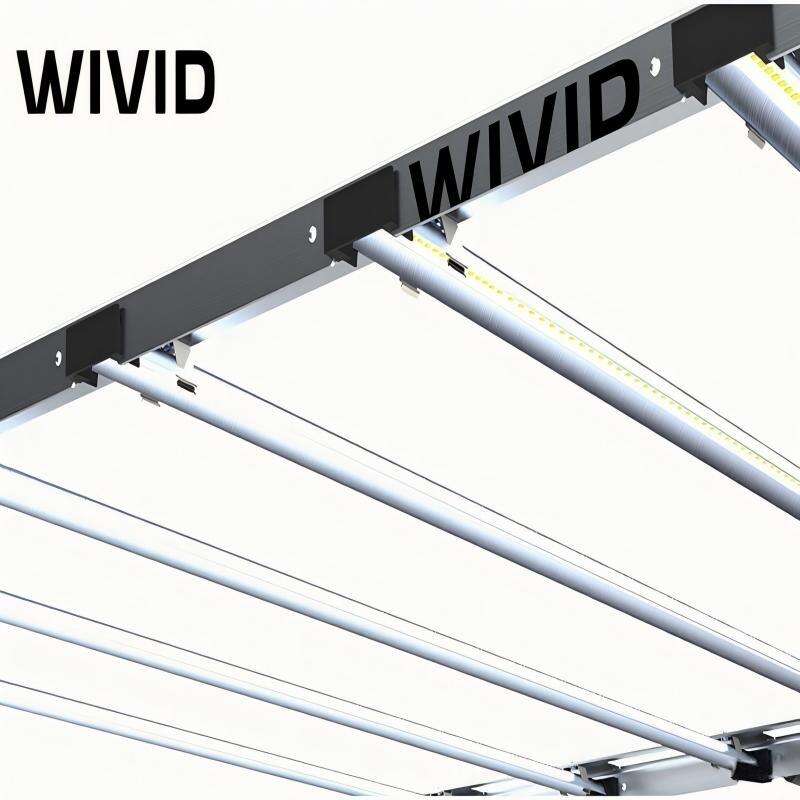
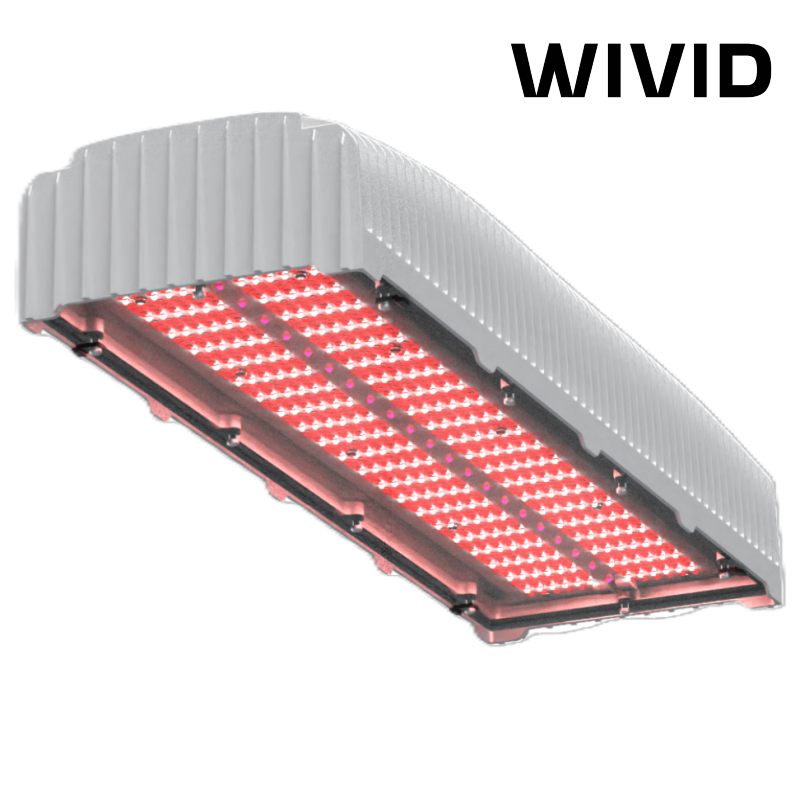
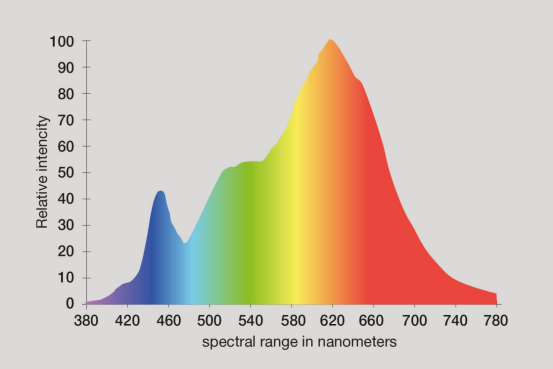
Vertical farming led lights represent a revolutionary breakthrough in modern agricultural technology, specifically engineered to support indoor cultivation systems where plants grow in stacked layers within controlled environments. These specialized lighting solutions deliver precise wavelengths of light that plants require for photosynthesis, growth, and development throughout their entire lifecycle. Unlike traditional farming methods that depend on natural sunlight, vertical farming led lights provide consistent, reliable illumination regardless of weather conditions or geographic location. The main functions of these advanced lighting systems include delivering optimal light spectrum combinations, typically featuring red and blue wavelengths that plants absorb most efficiently during photosynthesis. Red light promotes flowering and fruiting, while blue light encourages vegetative growth and compact plant structure. Modern vertical farming led lights incorporate sophisticated technological features such as adjustable spectrum control, allowing farmers to customize light wavelengths based on specific crop requirements and growth stages. Many systems include dimming capabilities, enabling precise control over light intensity to match plant needs while minimizing energy waste. Timer functions automate lighting schedules, ensuring plants receive consistent photoperiods essential for healthy development. Heat management represents another critical technological feature, as vertical farming led lights generate significantly less heat compared to traditional horticultural lighting, reducing cooling costs and preventing heat stress on plants. The applications of vertical farming led lights span numerous sectors including commercial urban farms, research facilities, home gardening systems, and large-scale food production operations. These lighting solutions enable year-round cultivation of leafy greens, herbs, microgreens, strawberries, tomatoes, and various other crops in spaces ranging from warehouse facilities to repurposed shipping containers. The technology supports sustainable agriculture by maximizing production per square foot while minimizing resource consumption. As global populations increase and arable land decreases, vertical farming led lights provide practical solutions for producing fresh, locally-grown food in urban environments, reducing transportation costs and carbon emissions associated with traditional agriculture.

 EN
EN