energy efficient grow light
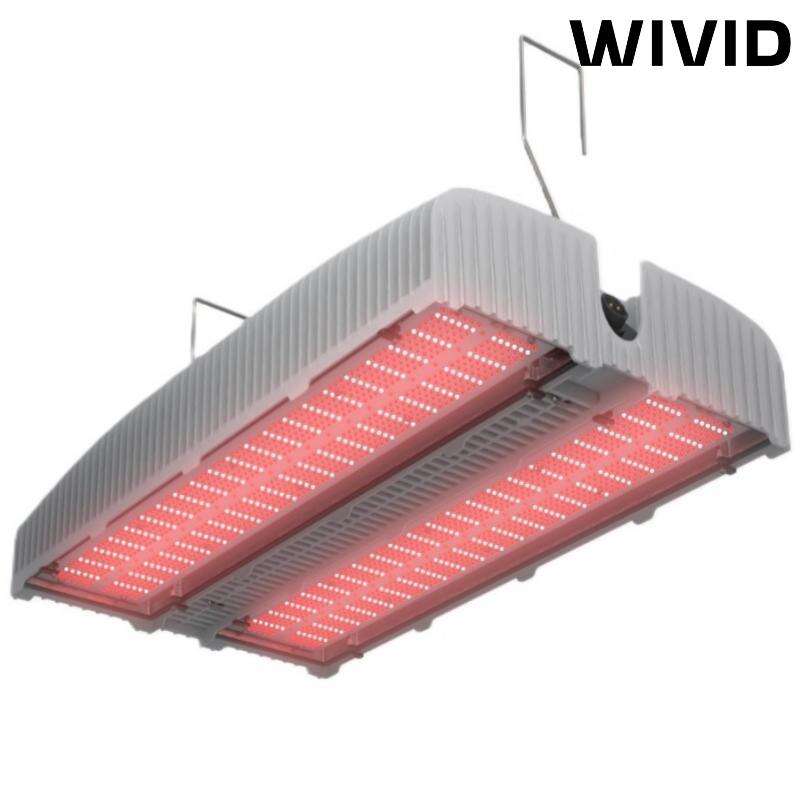
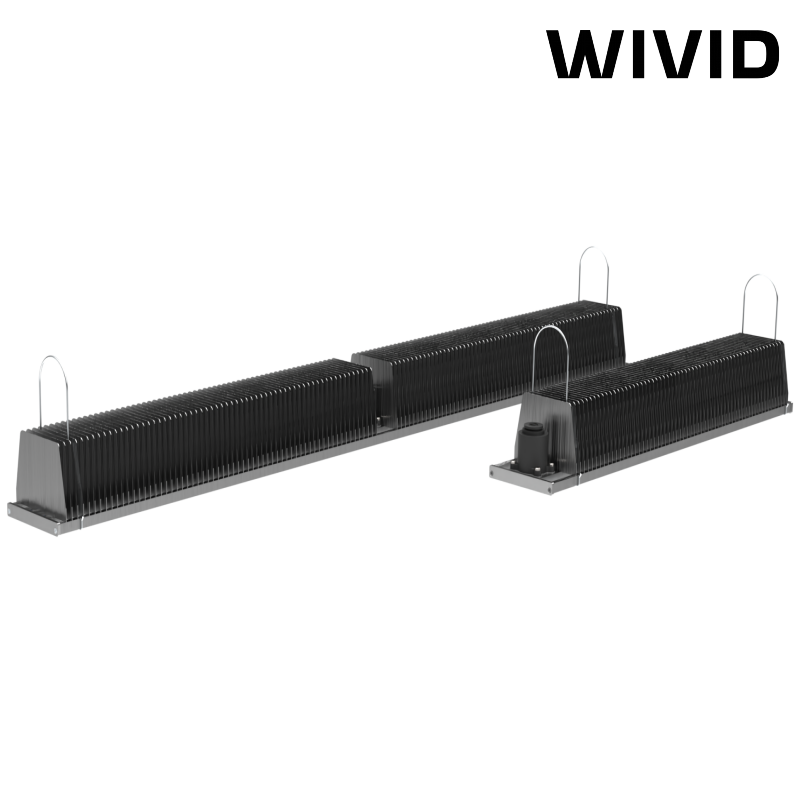
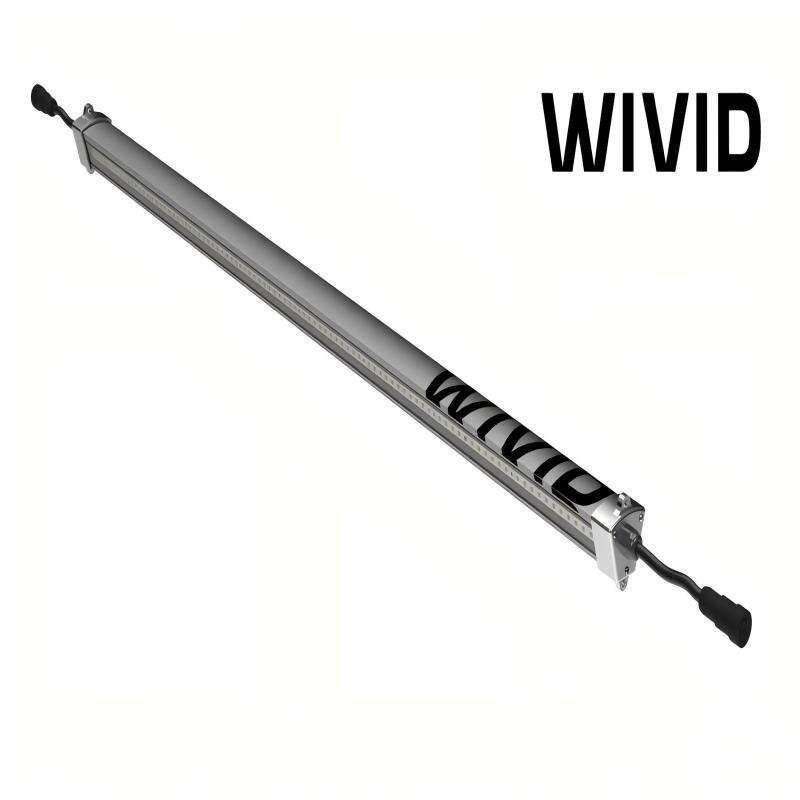
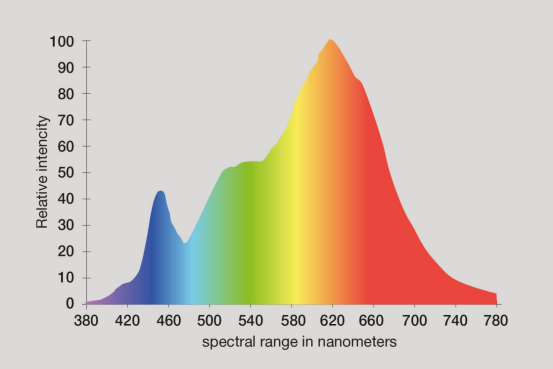
An energy efficient grow light represents a revolutionary advancement in modern indoor gardening and commercial cultivation technology. These specialized lighting systems are engineered to provide optimal light spectrum output while consuming significantly less electrical power compared to traditional horticultural lighting solutions. The primary function of an energy efficient grow light is to deliver precise wavelengths of light that plants require for photosynthesis, vegetative growth, and flowering stages, all while minimizing energy consumption and operational costs. These innovative lighting fixtures utilize cutting-edge LED technology, incorporating full-spectrum diodes that emit light across the photosynthetically active radiation range, typically between 400 to 700 nanometers. The technological features embedded within these systems include advanced heat dissipation mechanisms, intelligent dimming capabilities, and programmable spectrum control that allows growers to customize light output according to specific plant species and growth phases. Many models incorporate smart monitoring systems that enable remote control through mobile applications, providing real-time data on energy usage, light intensity, and operational hours. The applications of energy efficient grow lights span across diverse cultivation environments, including residential indoor gardens, commercial greenhouses, vertical farming operations, hydroponic systems, research facilities, and urban agriculture projects. These lighting solutions prove particularly valuable in regions with limited natural sunlight, enabling year-round cultivation regardless of seasonal changes or geographic location. The versatility of energy efficient grow lights makes them suitable for growing various plant types, from leafy greens and herbs to flowering plants, vegetables, and even specialized crops requiring specific light conditions. Professional cultivators appreciate how these systems maintain consistent light quality throughout their extended lifespan, typically ranging from 50,000 to 100,000 operational hours, which translates to multiple years of reliable service without significant degradation in light output or spectral quality.

 EN
EN