Precision Spectrum Control for Optimized Plant Development
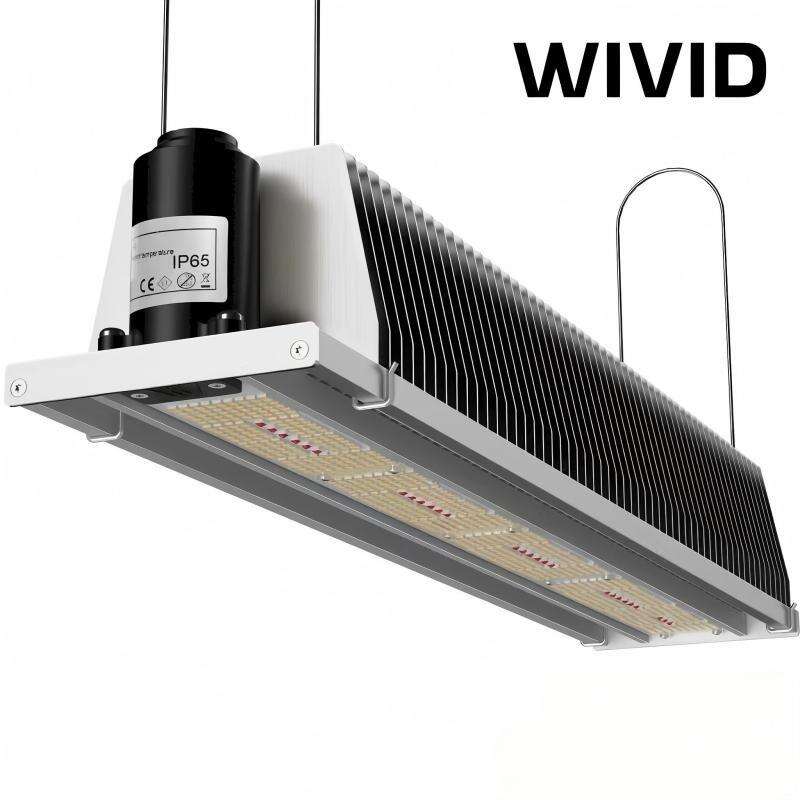
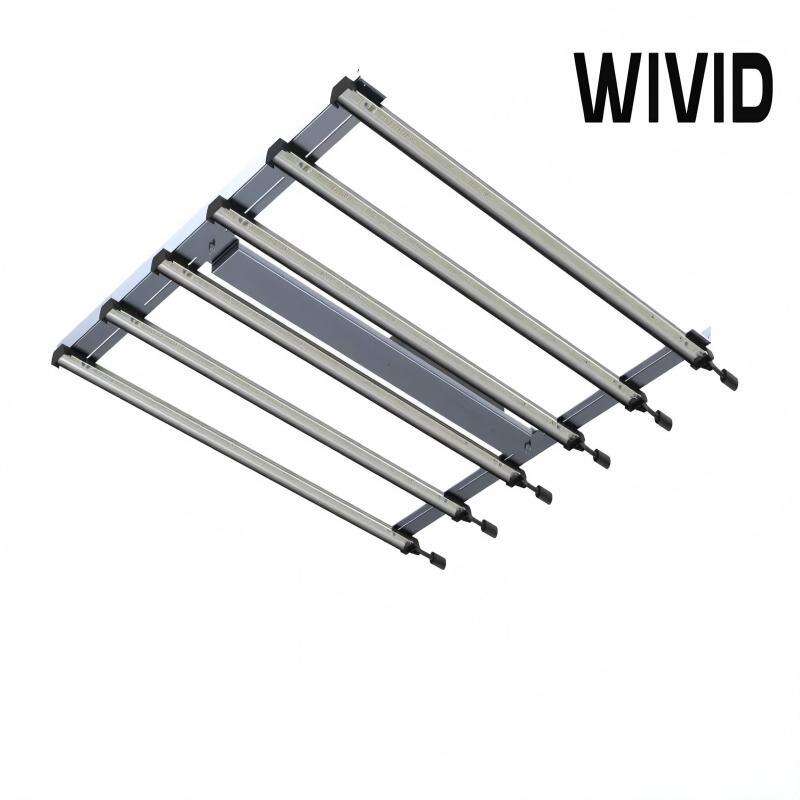
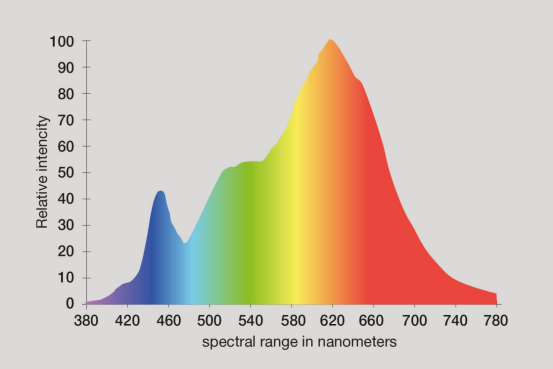
The led grow light indoor distinguishes itself through unprecedented control over light spectrum composition, a feature that fundamentally transforms plant cultivation outcomes. Traditional lighting systems emit fixed spectral distributions that plants must adapt to, but modern led grow light indoor technology reverses this relationship, allowing growers to customize light recipes that match exact plant requirements at each developmental stage. This capability stems from the ability to combine different LED chip types, each producing specific wavelengths, into a single fixture with independent channel control. Blue wavelengths in the 400 to 500 nanometer range promote compact vegetative growth, strong root development, and increased chlorophyll production, making them essential during early growth phases. Red wavelengths between 600 and 700 nanometers drive photosynthesis efficiency and trigger flowering responses, becoming crucial during reproductive stages. Advanced led grow light indoor systems incorporate far-red wavelengths that influence plant morphology and accelerate flowering, while some models include ultraviolet output that can enhance secondary metabolite production, increasing flavors, aromas, and nutritional compounds in crops. The practical implications of this spectral precision extend far beyond simple plant survival to active optimization of commercially valuable traits. Lettuce growers can increase leaf density and reduce bitterness by adjusting blue-to-red ratios, while tomato producers can influence fruit set and sugar content through strategic spectrum manipulation. Herb cultivators leverage specific wavelengths to boost essential oil concentrations, creating products with superior flavor profiles that command premium prices. The led grow light indoor enables dynamic spectrum adjustment throughout the growing cycle, starting seedlings under blue-dominant light for sturdy development, transitioning to balanced spectrums during vegetative growth, and shifting toward red-enriched output during flowering and fruiting. This adaptability eliminates the need for multiple specialized fixtures, simplifying operations and reducing equipment costs. Research continues to reveal new applications for spectrum control, with studies demonstrating that specific wavelength combinations can reduce pest susceptibility, accelerate growth rates, and even influence plant height without chemical growth regulators. The led grow light indoor with programmable spectrum control allows growers to implement these research findings immediately, continuously improving their cultivation protocols. For commercial operations, this translates into competitive advantages through superior product quality, faster crop turns, and the ability to produce specialty varieties that would be impossible under fixed-spectrum lighting. Home growers benefit from simplified cultivation, as preset spectrum programs guide plants through optimal development without requiring extensive horticultural knowledge. The technology democratizes advanced growing techniques previously available only to well-funded research facilities, placing powerful tools in the hands of anyone seeking to maximize their indoor growing success.

 EN
EN