Sustainable Operation Reduces Environmental Impact
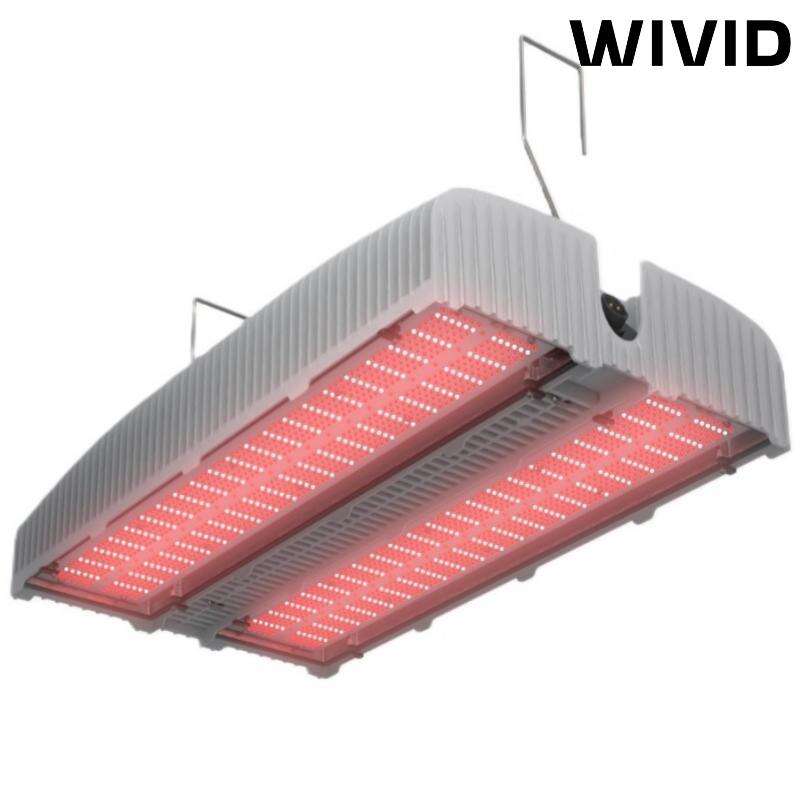
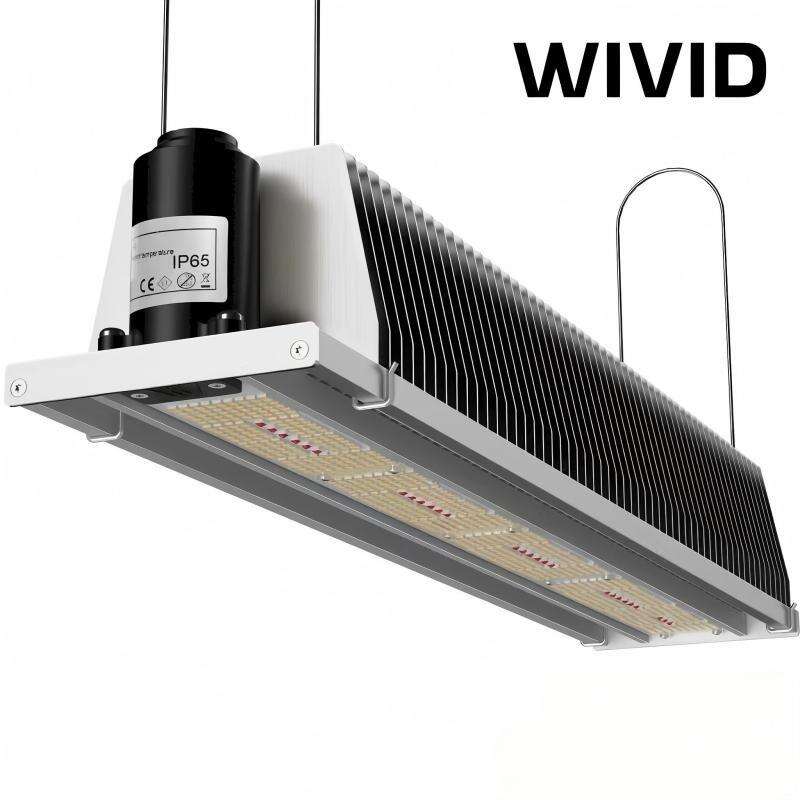
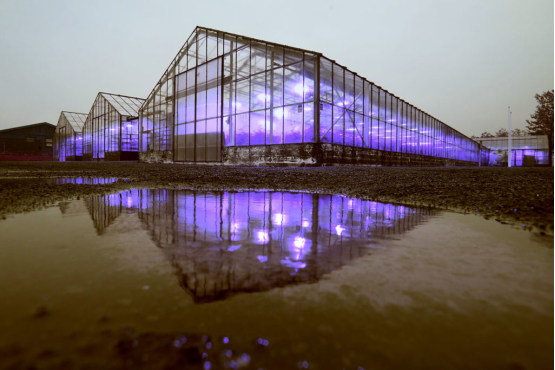
Energy saving grow lights represent a cornerstone technology for sustainable agriculture, dramatically reducing the environmental footprint of indoor cultivation while enabling food production in locations and climates where traditional outdoor farming is impossible or impractical. The primary environmental benefit stems from the exceptional energy efficiency of these lighting systems, which can reduce electricity consumption by 50 to 70 percent compared to conventional grow lights for equivalent light output. This reduction in power demand translates directly to decreased greenhouse gas emissions from electricity generation, particularly in regions where fossil fuels remain the dominant energy source. For a medium-sized commercial growing operation, switching to energy saving grow lights can eliminate tens of thousands of pounds of carbon dioxide emissions annually, equivalent to taking multiple passenger vehicles off the road. The lower power requirements of energy saving grow lights make renewable energy integration more feasible, as smaller solar panel arrays or wind turbines can supply sufficient electricity to power growing operations, enabling truly carbon-neutral food production. The extended lifespan of energy saving grow lights, often exceeding 50,000 hours of operation, reduces manufacturing demand and waste generation compared to traditional bulbs that require replacement every 10,000 to 20,000 hours. This longevity means fewer resources consumed in manufacturing, less packaging waste, and reduced transportation emissions associated with shipping replacement bulbs. Energy saving grow lights contain no mercury or other toxic heavy metals found in some traditional lighting technologies, eliminating the environmental hazards associated with improper disposal and the need for specialized recycling programs. The reduced heat output from energy saving grow lights decreases cooling requirements in grow facilities, which further reduces energy consumption and the associated environmental impacts of air conditioning systems. In hot climates, this cooling reduction can be substantial, sometimes matching or exceeding the direct energy savings from the lights themselves. The ability of energy saving grow lights to enable productive indoor farming in urban environments reduces the environmental costs of food transportation, allowing fresh produce to be grown within miles of consumers rather than shipped hundreds or thousands of miles from rural agricultural regions. This localization of food production decreases fuel consumption, reduces spoilage and waste, and provides communities with access to fresher, more nutritious produce. Energy saving grow lights make vertical farming economically viable, enabling multiple layers of crops to be grown in the same footprint that would support only a single layer under traditional lighting, dramatically increasing land use efficiency and reducing pressure to convert natural habitats to agricultural use. The precise environmental control possible in indoor facilities using energy saving grow lights eliminates pesticide runoff, reduces water consumption through recirculating systems, and prevents agricultural chemicals from entering ecosystems. The year-round production enabled by energy saving grow lights reduces seasonal price fluctuations and food insecurity, contributing to more resilient and sustainable food systems that can adapt to climate change impacts on traditional agriculture.

 EN
EN