LED Plant Grow Lights - Energy-Efficient Indoor Growing Solutions for Home and Commercial Cultivation

All Categories

led plant grow lights

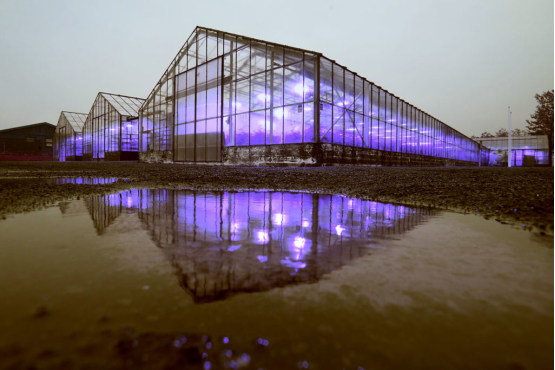
LED plant grow lights represent a revolutionary advancement in indoor gardening and commercial agriculture technology. These specialized lighting systems utilize light-emitting diodes to deliver precise wavelengths of light that plants need for photosynthesis and healthy growth. Unlike traditional lighting solutions such as high-pressure sodium or fluorescent bulbs, LED plant grow lights offer superior energy efficiency, longer operational lifespans, and customizable light spectrums tailored to different growth stages. The main function of LED plant grow lights centers on providing artificial illumination that mimics natural sunlight, enabling plants to thrive in environments where natural light is insufficient or unavailable. These systems emit specific wavelengths in the blue and red spectrum ranges, which are most critical for plant development. Blue light promotes vegetative growth and compact plant structure, while red light stimulates flowering and fruiting processes. Modern LED plant grow lights incorporate advanced technological features including full-spectrum capabilities, dimming functions, and programmable timers that allow growers to create optimal lighting schedules. Many models feature heat dissipation systems with aluminum heat sinks and cooling fans to maintain stable operating temperatures, preventing damage to both the lights and plants. The applications of LED plant grow lights span multiple sectors including home gardening, commercial greenhouses, vertical farming operations, research laboratories, and hydroponic systems. Home gardeners use these lights to cultivate herbs, vegetables, and ornamental plants year-round regardless of outdoor weather conditions. Commercial operations deploy large-scale LED plant grow lights to maximize crop yields, reduce growing cycles, and maintain consistent product quality. Research facilities utilize these lighting systems to conduct controlled experiments on plant biology and breeding programs. The versatility of LED plant grow lights makes them suitable for growing everything from leafy greens and microgreens to flowering plants, fruiting vegetables, and even cannabis in regions where cultivation is legal.


New Products

LED plant grow lights deliver substantial energy savings compared to conventional lighting technologies, consuming up to 50 to 70 percent less electricity while producing equivalent or superior light output. This efficiency translates directly into lower utility bills for both hobbyist gardeners and commercial growers, making indoor cultivation more economically viable. The reduced power consumption also decreases the environmental footprint of growing operations, aligning with sustainability goals and green business practices. These lighting systems generate minimal heat output, which eliminates the need for expensive cooling systems and reduces the risk of heat stress on plants. Growers can position LED plant grow lights closer to plant canopies without causing leaf burn, maximizing light absorption and promoting faster growth rates. The cool operation also creates safer working conditions and reduces fire hazards in growing facilities. LED plant grow lights boast exceptional longevity, typically lasting 50,000 to 100,000 hours of continuous operation before requiring replacement. This extended lifespan means fewer bulb changes, reduced maintenance costs, and less waste generation over time. The durability of solid-state LED technology makes these lights resistant to vibration and impact, unlike fragile glass bulbs that break easily. The customizable spectrum capabilities of LED plant grow lights allow growers to optimize light recipes for specific plant species and growth stages. Vegetative growth benefits from blue-heavy spectrums, while flowering and fruiting stages respond better to red-dominant wavelengths. Full-spectrum LED plant grow lights provide balanced illumination that supports plants throughout their entire lifecycle. Some advanced models offer adjustable spectrum controls, enabling growers to fine-tune light composition based on real-time plant responses and changing cultivation goals. LED plant grow lights produce directional light that focuses energy precisely where plants need it, unlike omnidirectional bulbs that waste light in all directions. This targeted illumination improves photosynthetic efficiency and reduces light pollution in growing spaces. The instant-on capability of LED plant grow lights eliminates warm-up periods, allowing growers to implement precise lighting schedules without delays. These systems also support dimming functions that enable gradual sunrise and sunset simulations, reducing plant stress during light transitions. The compact and lightweight design of LED plant grow lights simplifies installation and allows flexible mounting options including overhead suspension, side lighting, and vertical arrangements for multi-tier growing systems.

Tips And Tricks

Energy Savings and Spectral Precision

14

Jan

Energy Savings and Spectral Precision

Discover how horticultural LED lighting cuts energy use by up to 50% while boosting plant growth with optimized spectra. Reduce TCO and enhance sustainability. Learn more today.
View More
Introduction to Photosynthetically Active Radiation (PAR)

14

Jan

Introduction to Photosynthetically Active Radiation (PAR)

Discover how Photosynthetically Active Radiation (PAR) boosts photosynthesis, growth, and yields. Learn to optimize LED lighting for energy efficiency and crop quality. Read more.
View More
Comprehensive Light Planning in Controlled Environment Agriculture

12

Mar

Comprehensive Light Planning in Controlled Environment Agriculture

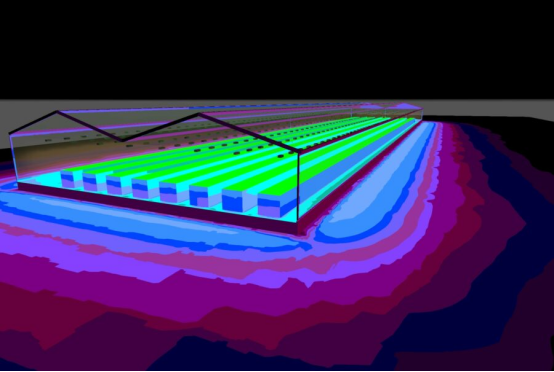
Maximize crop yield with precise PPFD planning. Discover how 3D light simulations improve uniformity, reduce waste, and boost photosynthesis. Get your free lighting guide.
View More
The Grow Light Spectrum

15

Jan

The Grow Light Spectrum

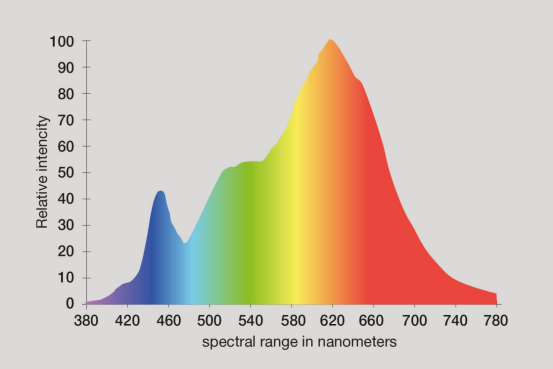
Maximize photosynthetic efficiency and yields with science-backed grow light spectra. Discover how blue, red, and full-spectrum lighting affect plant growth. Learn more.
View More

Get a Free Quote

Our representative will contact you soon.
Email
Mobile
Country/Region
Name
Message
0/1000

led plant grow lights

Superior Energy Efficiency and Cost Savings

Superior Energy Efficiency and Cost Savings

The energy efficiency of LED plant grow lights stands as their most compelling advantage for growers seeking to reduce operational expenses while maintaining optimal plant health. Traditional high-intensity discharge lamps and fluorescent tubes convert a significant portion of electrical energy into heat rather than usable light, resulting in wasted electricity and increased cooling costs. LED plant grow lights operate on an entirely different principle, converting electrical energy directly into photons with minimal heat generation. This fundamental efficiency advantage means that a 300-watt LED system can deliver light output equivalent to a 600-watt traditional system, cutting energy consumption in half. For commercial operations running lights 12 to 18 hours daily, these savings accumulate rapidly into thousands of dollars annually. Home growers also benefit from reduced electricity bills, making year-round indoor gardening more affordable and accessible. The financial benefits extend beyond direct energy savings. The reduced heat output of LED plant grow lights decreases or eliminates the need for air conditioning and ventilation systems in growing spaces. Traditional lighting systems often require substantial cooling infrastructure to maintain appropriate temperatures, adding both capital expenditure and ongoing operational costs. LED plant grow lights minimize this burden, allowing growers to allocate resources toward other aspects of their operations. The long-term return on investment becomes even more attractive when considering the extended lifespan of LED technology. While the initial purchase price of LED plant grow lights may exceed traditional options, the total cost of ownership over five to ten years strongly favors LED systems. Fewer replacements mean reduced labor costs for maintenance, less downtime in growing operations, and decreased waste disposal expenses. Environmental considerations also play an increasingly important role in modern agriculture. LED plant grow lights support sustainable growing practices by reducing carbon footprints and energy demand. Growers can market their products as environmentally responsible, appealing to conscious consumers willing to pay premium prices for sustainably produced goods. Government incentives and rebate programs in many regions further improve the economic case for LED plant grow lights, offering tax credits or direct subsidies for energy-efficient agricultural equipment.
Customizable Light Spectrum for Optimal Plant Development

Customizable Light Spectrum for Optimal Plant Development

The ability to customize light spectrum represents a transformative feature of LED plant grow lights that fundamentally changes how growers approach plant cultivation. Natural sunlight contains the full spectrum of visible light plus ultraviolet and infrared wavelengths, but plants primarily utilize specific portions of this spectrum for photosynthesis and development. LED plant grow lights can be engineered to emit precise wavelengths that target the absorption peaks of chlorophyll and other photoreceptors, maximizing photosynthetic efficiency while eliminating wasted energy on wavelengths plants cannot use. Blue light in the 400 to 500 nanometer range drives vegetative growth, promoting compact plant structure, strong stem development, and dense foliage. Seedlings and young plants thrive under blue-rich LED plant grow lights, establishing robust root systems and healthy leaf formation. Red light in the 600 to 700 nanometer range triggers flowering responses and enhances fruit production, making it essential during reproductive growth stages. By adjusting the ratio of blue to red light, growers can influence plant morphology, accelerate or delay flowering, and optimize yields for specific crops. Advanced LED plant grow lights incorporate additional wavelengths including far-red light that affects plant stretching and flowering time, white light that improves visual assessment of plant health, and even ultraviolet light that can enhance secondary metabolite production in certain species. This spectral flexibility allows growers to create customized light recipes tailored to specific plant varieties and cultivation goals. Lettuce growers might use different spectrum settings than tomato growers, and both differ from cannabis cultivators or ornamental flower producers. The precision control offered by LED plant grow lights enables growers to replicate successful light recipes consistently across multiple growing cycles, ensuring predictable results and uniform product quality. Research continues to reveal new insights into how different wavelengths affect plant biology, and LED plant grow lights can be updated or adjusted to incorporate these findings. Some sophisticated systems offer programmable spectrum control that automatically adjusts light composition throughout the day or across growth stages, mimicking natural seasonal changes or implementing experimental protocols. This level of control was impossible with traditional lighting technologies that emit fixed spectrums determined by their physical construction.
Compact Design and Flexible Installation Options

Compact Design and Flexible Installation Options

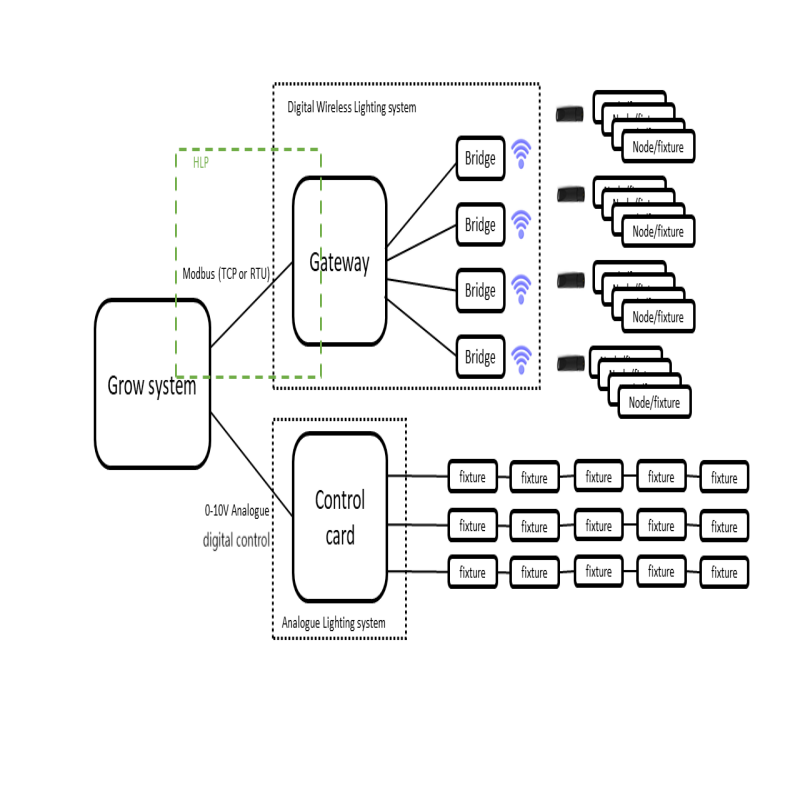
The compact and versatile design of LED plant grow lights opens new possibilities for growing operations that were impractical or impossible with bulky traditional lighting systems. LED technology packages powerful light output into slim, lightweight fixtures that can be mounted in tight spaces, suspended at various heights, or arranged in creative configurations to maximize growing area utilization. This design flexibility proves especially valuable in urban agriculture settings where real estate costs demand efficient use of every square foot. Vertical farming operations stack multiple growing tiers in warehouse spaces, and LED plant grow lights fit perfectly into these compact arrangements without the clearance requirements of hot, bulky traditional fixtures. The low-profile design of LED plant grow lights allows growers to position lights closer to plant canopies, typically within 6 to 12 inches, without causing heat damage. This proximity maximizes light intensity reaching plants and improves photon absorption efficiency. Traditional high-intensity discharge lamps must be mounted much higher to prevent heat stress, resulting in significant light loss due to the inverse square law where light intensity decreases with distance. LED plant grow lights overcome this limitation, delivering more usable light to plants from the same electrical input. The modular nature of LED plant grow lights supports scalable growing operations that can start small and expand incrementally. Hobbyists can begin with a single fixture for a small growing area and add additional units as their operations grow, without needing to redesign entire lighting systems. Commercial growers can standardize on specific LED plant grow lights models and replicate proven configurations across multiple growing rooms or facilities. The lightweight construction simplifies installation, reducing structural requirements and labor costs. Mounting options include adjustable hanging systems, fixed overhead rails, side-lighting brackets for vertical surfaces, and even mobile carts for flexible growing arrangements. LED plant grow lights also integrate seamlessly with automation systems and smart growing technologies. Many models feature digital controls that accept input from environmental sensors, adjusting light intensity and spectrum based on temperature, humidity, or plant growth stage. This integration capability supports precision agriculture approaches where data-driven decisions optimize growing conditions continuously. The solid-state construction of LED plant grow lights makes them resistant to vibration and shock, unlike fragile glass bulbs that require careful handling and frequent replacement. This durability proves valuable in commercial settings where equipment must withstand daily use and occasional impacts.