Revolutionary Spectrum Optimization Technology
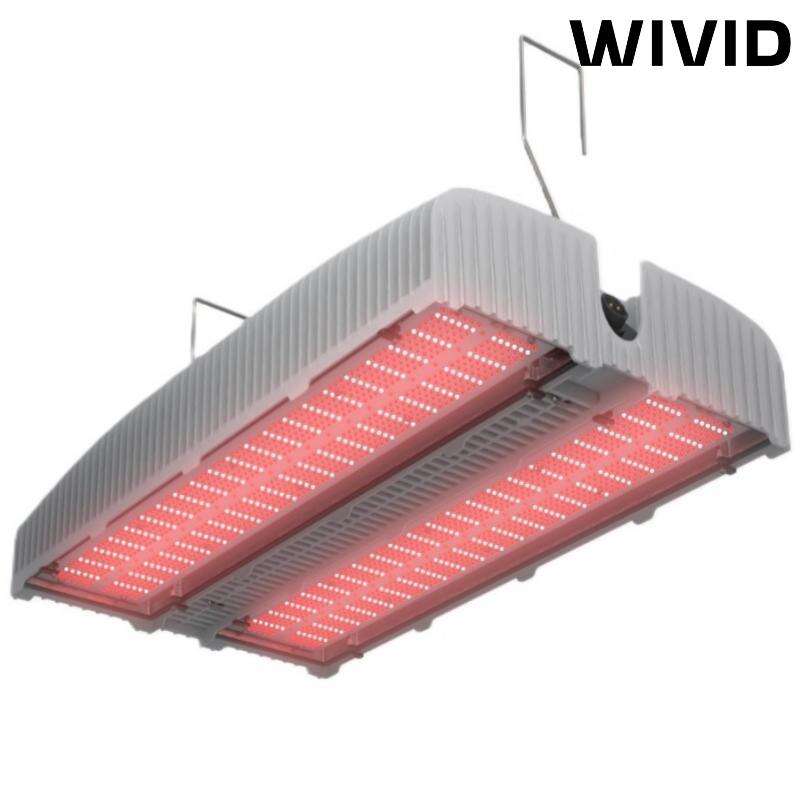
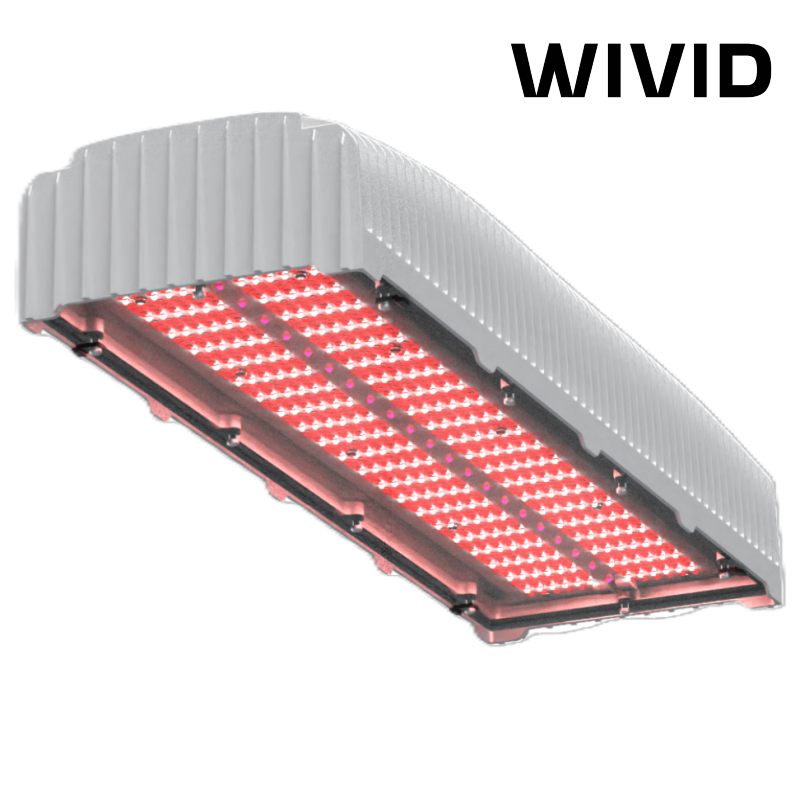
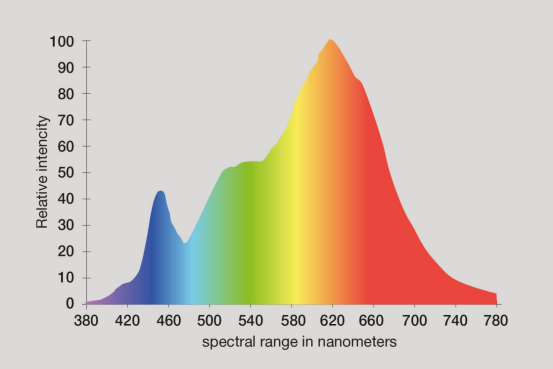
The spectrum optimization technology integrated into energy efficient plant grow lights represents a fundamental breakthrough in how we deliver light energy to cultivated plants. Traditional lighting approaches essentially waste electricity by producing wavelengths across the entire visible spectrum, including colors that contribute minimally to photosynthesis. Energy efficient plant grow lights employ scientifically calibrated LED chips that emit precisely the wavelengths plants use most effectively, primarily in the red and blue regions of the spectrum. This targeted approach means that virtually every photon reaching your plants serves a productive purpose in driving growth processes. The red wavelengths, typically concentrated around six hundred sixty nanometers, penetrate deep into plant tissues and trigger flowering responses, fruit development, and stem elongation. Blue wavelengths near four hundred fifty nanometers promote compact growth habits, encourage leaf development, and support the production of essential oils and flavonoids that determine taste and aroma in herbs and vegetables. Advanced energy efficient plant grow lights incorporate white LEDs that fill spectral gaps, providing plants with a more complete light diet similar to natural sunlight. This full-spectrum capability proves especially valuable for ornamental plants and species with specific light requirements beyond basic photosynthesis. The ability to customize spectrum ratios allows growers to manipulate plant characteristics deliberately, such as increasing leaf density, controlling plant height, or accelerating transition from vegetative to flowering stages. Some sophisticated energy efficient plant grow lights feature independently controllable channels that let you adjust red, blue, and white intensities separately throughout the day, mimicking the natural spectral changes that occur from sunrise to sunset. This dynamic spectrum control can enhance plant resilience, improve nutrient uptake efficiency, and even influence the nutritional content of harvested produce. Research demonstrates that plants grown under optimized spectra from energy efficient plant grow lights often contain higher concentrations of vitamins, antioxidants, and beneficial compounds compared to those grown under generic lighting. The precision of spectrum optimization also prevents the photoinhibition that can occur when plants receive excessive light energy they cannot process, effectively eliminating another source of waste. For commercial operations, this translates to faster crop cycles, improved product quality, and competitive advantages in increasingly demanding markets.

 EN
EN