LED Strip Grow Lights - Energy-Efficient Full Spectrum Plant Lighting Solutions

All Categories

led strip grow lights

LED strip grow lights represent an innovative advancement in horticultural lighting technology, designed specifically to support plant growth throughout all developmental stages. These flexible lighting solutions consist of multiple light-emitting diodes arranged along a narrow strip, providing targeted illumination that mimics natural sunlight. The primary function of LED strip grow lights centers on delivering the precise light spectrum that plants require for photosynthesis, ensuring healthy growth even in environments without adequate natural light. Technological features include customizable wavelength combinations, typically incorporating red and blue spectrums that are most beneficial for vegetative growth and flowering phases. Modern LED strip grow lights utilize advanced semiconductor technology that converts electrical energy into light with remarkable efficiency, producing minimal heat while maximizing photosynthetic output. These systems often incorporate dimming capabilities, allowing growers to adjust light intensity according to specific plant requirements and growth stages. Applications for LED strip grow lights span diverse settings, from home gardens and vertical farming operations to commercial greenhouses and research facilities. Indoor gardeners utilize these strips to cultivate herbs, vegetables, and ornamental plants in spaces lacking windows or sufficient natural light. Commercial agricultural operations integrate LED strip grow lights into multi-tier growing systems, optimizing space utilization while maintaining consistent crop quality. The flexibility of strip design enables installation in confined spaces, along shelving units, or within custom growing chambers. LED strip grow lights also find applications in hydroponic and aquaponic systems, where controlled lighting conditions are essential for predictable yields. Research laboratories employ these lighting systems for botanical studies, benefiting from the ability to precisely control light parameters. The modular nature of LED strip grow lights allows users to scale their lighting setup according to growing area requirements, making them suitable for both hobbyist gardeners and professional cultivators seeking energy-efficient illumination solutions.

New Products

The primary advantage of LED strip grow lights lies in their exceptional energy efficiency, consuming significantly less electricity compared to traditional lighting systems while delivering superior results for plant cultivation. Users typically experience energy savings of fifty to seventy percent, translating directly into reduced operational costs and a smaller environmental footprint. The low heat emission characteristic of LED strip grow lights prevents temperature-related plant stress, eliminating the need for extensive cooling systems that further increase energy consumption. This thermal efficiency allows growers to position lights closer to plant canopies without risking heat damage, maximizing light absorption and accelerating growth rates. LED strip grow lights offer remarkable longevity, with operational lifespans exceeding fifty thousand hours under normal conditions, which means years of reliable service without frequent bulb replacements. This durability reduces maintenance requirements and associated costs, making them particularly valuable for commercial operations where downtime impacts productivity. The installation flexibility of LED strip grow lights provides substantial practical benefits, as their lightweight construction and adhesive backing enable mounting on virtually any surface without specialized fixtures or complicated electrical work. Growers can create customized lighting arrangements that conform to unique space configurations, whether wrapping around corners, fitting under shelves, or illuminating vertical growing walls. The instant-on capability of LED strip grow lights eliminates warm-up periods required by other lighting technologies, allowing immediate full-spectrum illumination when needed. These systems operate silently without the buzzing or humming associated with fluorescent fixtures, creating more pleasant working environments. LED strip grow lights produce minimal ultraviolet and infrared radiation, reducing the risk of plant damage while creating safer conditions for people working in growing areas. The targeted spectrum delivery means plants receive only the wavelengths they can utilize for photosynthesis, avoiding wasted energy on unnecessary light frequencies. Users benefit from improved growth rates and healthier plants, as the optimized light spectrum promotes vigorous vegetative development and enhanced flowering. The compact profile of LED strip grow lights saves valuable vertical space in growing areas, allowing more room for plants rather than bulky lighting equipment. Modern LED strip grow lights incorporate smart controls compatible with timers and automation systems, enabling precise light scheduling that mimics natural day-night cycles without manual intervention. These systems generate more consistent results compared to natural sunlight, which varies with weather conditions and seasons, giving growers predictable outcomes regardless of external factors.

Tips And Tricks

Energy Savings and Spectral Precision

14

Jan

Energy Savings and Spectral Precision

Discover how horticultural LED lighting cuts energy use by up to 50% while boosting plant growth with optimized spectra. Reduce TCO and enhance sustainability. Learn more today.
View More
Introduction to Photosynthetically Active Radiation (PAR)

14

Jan

Introduction to Photosynthetically Active Radiation (PAR)

Discover how Photosynthetically Active Radiation (PAR) boosts photosynthesis, growth, and yields. Learn to optimize LED lighting for energy efficiency and crop quality. Read more.
View More
Comprehensive Light Planning in Controlled Environment Agriculture

12

Mar

Comprehensive Light Planning in Controlled Environment Agriculture

Maximize crop yield with precise PPFD planning. Discover how 3D light simulations improve uniformity, reduce waste, and boost photosynthesis. Get your free lighting guide.
View More
The Grow Light Spectrum

15

Jan

The Grow Light Spectrum

Maximize photosynthetic efficiency and yields with science-backed grow light spectra. Discover how blue, red, and full-spectrum lighting affect plant growth. Learn more.
View More

Get a Free Quote

Our representative will contact you soon.
Email
Mobile
Country/Region
Name
Message
0/1000

led strip grow lights

Customizable Full Spectrum Technology for Optimal Plant Development

Customizable Full Spectrum Technology for Optimal Plant Development

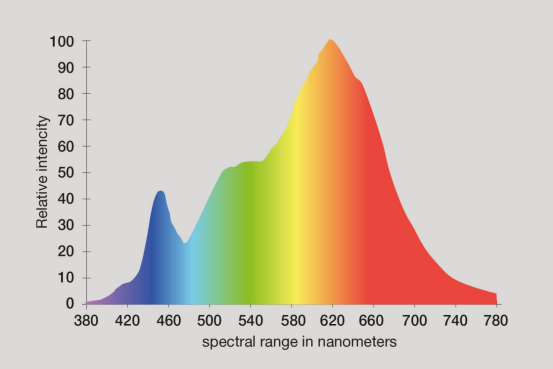
LED strip grow lights incorporate sophisticated full spectrum technology that delivers precise wavelength combinations specifically engineered to support every phase of plant development. Unlike traditional lighting that produces a fixed spectrum, these advanced systems allow growers to customize the light output according to specific plant species and growth stages, maximizing photosynthetic efficiency. The blue wavelengths, typically in the four hundred to five hundred nanometer range, promote compact vegetative growth, encouraging strong stems and dense foliage that create robust plant structures. Red wavelengths between six hundred and seven hundred nanometers stimulate flowering and fruiting processes, triggering the hormonal responses necessary for reproductive development. Many LED strip grow lights combine these primary wavelengths with supplementary spectrums including far-red light that influences plant morphology and white light that provides balanced illumination for practical observation. This spectral customization enables growers to address the unique requirements of different plant varieties, from leafy greens requiring primarily blue light to flowering plants demanding higher red ratios during bloom phases. The ability to adjust spectrum ratios throughout cultivation cycles represents a significant advantage over fixed-spectrum lighting, allowing one lighting system to serve multiple purposes rather than requiring separate fixtures for different growth stages. Research demonstrates that plants exposed to optimized LED spectrums exhibit increased chlorophyll production, accelerated photosynthesis rates, and enhanced secondary metabolite synthesis, resulting in superior nutritional content and potency. LED strip grow lights equipped with programmable controllers enable automatic spectrum adjustments based on predetermined schedules, simulating natural seasonal transitions that trigger desired plant responses. This technological sophistication translates into practical benefits including shortened growth cycles, increased yields per square foot, and improved crop quality characteristics such as color, flavor, and essential oil content. Commercial cultivators benefit from the consistency that customizable spectrum control provides, ensuring uniform product quality across multiple growing cycles and different facility locations. Home gardeners appreciate the simplified approach to providing professional-grade lighting conditions without requiring extensive botanical knowledge, as many systems include preset configurations optimized for common plant categories.

Space-Efficient Design That Maximizes Growing Area Utilization

Space-Efficient Design That Maximizes Growing Area Utilization

The slim profile and flexible configuration of LED strip grow lights represent a revolutionary approach to space management in cultivation environments, enabling growers to maximize productive area while minimizing the physical footprint of lighting infrastructure. Traditional grow lights require substantial clearance above plants and occupy valuable vertical space with bulky fixtures and reflectors, significantly reducing the volume available for plant development. LED strip grow lights measure typically less than one centimeter in thickness, allowing installation in locations impossible for conventional lighting systems while maintaining critical distance between light source and plant canopy. This space efficiency proves particularly valuable in vertical farming applications, where multiple growing tiers stack within limited floor areas to multiply production capacity. Growers can install LED strip grow lights directly beneath each shelf level, providing dedicated illumination for every tier without interference between layers. The flexible nature of strip design allows conforming to irregular surfaces, wrapping around structural elements, and creating lighting patterns that match specific growing area shapes rather than forcing plants to adapt to rigid fixture geometries. Urban agricultural operations benefit enormously from this space optimization, as real estate costs in metropolitan areas make efficient spatial utilization essential for economic viability. Home gardeners working with limited apartment spaces or dedicated growing closets find that LED strip grow lights enable productive cultivation in areas previously considered unsuitable for plant growth. The ability to mount strips along cabinet interiors, within furniture pieces, or under existing shelving transforms underutilized spaces into functional growing areas. LED strip grow lights also facilitate creative growing arrangements such as wall-mounted vertical gardens, where strips attach directly to planting panels to create living artwork that doubles as food production. The lightweight construction eliminates structural concerns associated with heavy traditional fixtures, allowing installation on surfaces unable to support substantial weight loads. Modular strip sections connect in series to cover areas of any size, providing scalability from small herb gardens to extensive commercial operations without requiring different equipment types. This adaptability extends to expansion scenarios, where growers can add additional strip sections as operations scale without discarding existing infrastructure or redesigning electrical systems. The low-profile design also improves air circulation around plants by eliminating obstructions that impede airflow, reducing disease pressure and promoting stronger plant development through environmental optimization.
Energy Efficiency That Reduces Operating Costs and Environmental Impact

Energy Efficiency That Reduces Operating Costs and Environmental Impact

LED strip grow lights deliver unprecedented energy efficiency that fundamentally transforms the economics of controlled environment agriculture while supporting sustainability objectives through reduced resource consumption. Traditional high-intensity discharge lighting systems convert substantial portions of input electricity into heat rather than usable light, wasting energy while creating climate control challenges that demand additional cooling expenditure. LED strip grow lights achieve photosynthetic photon efficacy rates exceeding two point five micromoles per joule, meaning they produce more than twice the useful plant light per watt compared to conventional alternatives. This efficiency advantage translates directly into lower electricity consumption, with typical installations using forty to sixty percent less power to achieve equivalent or superior growing results. For commercial operations running lights twelve to eighteen hours daily, these energy savings accumulate to substantial reductions in operational expenses that significantly improve profit margins. The financial benefits extend beyond immediate utility costs, as reduced electrical demand often qualifies operations for lower commercial rate structures and utility incentives promoting energy conservation. LED strip grow lights generate minimal waste heat, maintaining cooler operating temperatures that reduce or eliminate supplemental cooling requirements in growing environments. This thermal efficiency creates compounding savings, as every watt not wasted on heat represents avoided cooling energy that would otherwise combat temperature increases from inefficient lighting. Environmental benefits complement economic advantages, as lower energy consumption directly corresponds to reduced greenhouse gas emissions from power generation facilities supplying electricity. Cultivation operations powered partially or entirely by renewable energy sources find that LED strip grow lights maximize the productive output achievable from limited sustainable power capacity. The exceptional longevity of LED technology, with operational lifespans ten to twenty times longer than traditional bulbs, drastically reduces replacement frequency and associated waste generation. Fewer replacements mean less manufacturing demand, reduced transportation impacts, and diminished landfill burden from discarded lighting components. LED strip grow lights contain no mercury or hazardous materials common in fluorescent alternatives, eliminating toxic disposal concerns and workplace safety risks associated with accidental breakage. The combination of energy savings, extended lifespan, and environmental responsibility creates compelling value propositions for growers increasingly conscious of both profitability and sustainability. Return on investment calculations consistently demonstrate that higher initial costs for LED strip grow lights are recovered within one to three years through energy savings alone, after which all subsequent savings represent pure profit enhancement. These systems future-proof growing operations against rising energy costs and potential carbon taxation, providing economic resilience through reduced exposure to utility rate volatility.