Energy Storage Power Plant Solutions: Maximize Savings, Reliability & Clean Energy Integration

All Categories

energy storage power plant

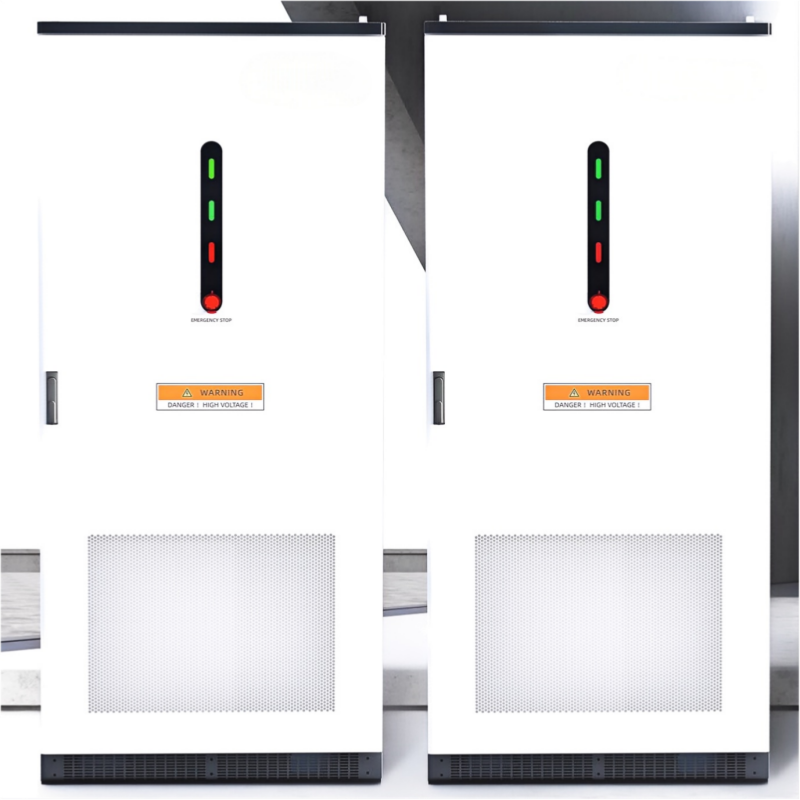
An energy storage power plant represents a critical infrastructure solution that captures electrical energy during periods of low demand or high generation and releases it when needed most. These facilities serve as massive batteries for the electrical grid, bridging the gap between energy production and consumption. The primary function of an energy storage power plant involves storing excess electricity generated from various sources, including renewable installations like solar panels and wind turbines, as well as traditional power generation facilities. By maintaining this reserve capacity, these plants ensure grid stability and reliability even during peak demand periods or when renewable sources experience intermittent generation patterns. The technological features of modern energy storage power plants vary depending on the storage method employed. Battery energy storage systems utilize advanced lithium-ion technology, flow batteries, or other electrochemical solutions to store electrical energy efficiently. Pumped hydroelectric storage facilities pump water to elevated reservoirs during off-peak hours and release it through turbines when electricity demand increases. Compressed air energy storage systems store energy by compressing air in underground caverns, while thermal storage solutions capture heat or cold for later use. Applications for energy storage power plants span multiple sectors and use cases. Grid operators deploy these facilities to provide frequency regulation, ensuring the electrical grid maintains stable voltage and frequency levels. They support renewable energy integration by smoothing out the variable output from solar and wind installations, making clean energy more reliable and dispatchable. Energy storage power plants also provide backup power during outages, reduce transmission congestion, defer costly infrastructure upgrades, and enable microgrids to operate independently from the main electrical network. Industrial facilities, commercial buildings, and residential communities increasingly rely on energy storage power plants to reduce electricity costs through peak shaving and demand charge management while enhancing energy security and resilience.

New Product Recommendations

Energy storage power plants deliver substantial cost savings by allowing users to purchase electricity when prices are lowest and use that stored energy during expensive peak demand periods. This strategy, known as energy arbitrage, can reduce electricity bills by 20 to 40 percent for commercial and industrial customers. Facilities avoid demand charges, which often represent the largest portion of utility bills, by drawing from stored energy instead of the grid during high-consumption periods. The financial benefits extend beyond direct cost reduction, as energy storage power plants increase property values and provide protection against rising electricity rates. These facilities enhance energy independence and security by creating a reliable backup power source that activates automatically during grid outages. Unlike diesel generators that require fuel deliveries and regular maintenance, energy storage power plants operate silently and cleanly, providing uninterrupted power for critical operations. Hospitals, data centers, manufacturing plants, and emergency services depend on this reliable backup capability to maintain operations during storms, equipment failures, or other disruptions. The ability to island from the grid and operate independently gives businesses and communities greater control over their energy destiny. Environmental benefits represent another compelling advantage of energy storage power plants. These facilities enable greater adoption of renewable energy by storing excess solar and wind generation that would otherwise go to waste. They reduce reliance on fossil fuel peaker plants, which utilities traditionally fire up during high demand periods despite their inefficiency and high emissions. By smoothing renewable energy output and making clean power dispatchable on demand, energy storage power plants accelerate the transition to a carbon-free electrical grid. Facilities produce zero direct emissions during operation, contributing to improved air quality and reduced greenhouse gas emissions. Energy storage power plants improve grid stability and power quality, protecting sensitive equipment from voltage fluctuations and frequency variations. They respond to grid conditions in milliseconds, far faster than traditional power plants, providing essential services that keep the electrical system balanced and reliable. This rapid response capability prevents blackouts, reduces transmission losses, and extends the lifespan of grid infrastructure. Businesses benefit from cleaner, more stable power that reduces equipment failures and maintenance costs. The modular and scalable nature of energy storage power plants allows organizations to start small and expand capacity as needs grow, providing flexibility that traditional infrastructure cannot match. Installation timelines are significantly shorter than building new generation or transmission facilities, allowing users to realize benefits quickly without lengthy permitting processes or construction delays.

Latest News

Energy Savings and Spectral Precision

14

Jan

Energy Savings and Spectral Precision

Discover how horticultural LED lighting cuts energy use by up to 50% while boosting plant growth with optimized spectra. Reduce TCO and enhance sustainability. Learn more today.
View More
Introduction to Photosynthetically Active Radiation (PAR)

14

Jan

Introduction to Photosynthetically Active Radiation (PAR)

Discover how Photosynthetically Active Radiation (PAR) boosts photosynthesis, growth, and yields. Learn to optimize LED lighting for energy efficiency and crop quality. Read more.
View More
Comprehensive Light Planning in Controlled Environment Agriculture

12

Mar

Comprehensive Light Planning in Controlled Environment Agriculture

Maximize crop yield with precise PPFD planning. Discover how 3D light simulations improve uniformity, reduce waste, and boost photosynthesis. Get your free lighting guide.
View More
The Grow Light Spectrum

15

Jan

The Grow Light Spectrum

Maximize photosynthetic efficiency and yields with science-backed grow light spectra. Discover how blue, red, and full-spectrum lighting affect plant growth. Learn more.
View More

Get a Free Quote

Our representative will contact you soon.
Email
Mobile
Country/Region
Name
Message
0/1000

energy storage power plant

Maximizing Renewable Energy Integration and Grid Flexibility

Maximizing Renewable Energy Integration and Grid Flexibility

Energy storage power plants serve as the essential bridge that transforms intermittent renewable energy sources into reliable, dispatchable power that meets demand whenever needed. Solar panels generate electricity only during daylight hours, with output varying based on cloud cover and seasonal changes, while wind turbines produce power only when wind conditions are favorable. Without storage capability, this variability creates significant challenges for grid operators who must constantly balance supply and demand. Energy storage power plants solve this fundamental problem by capturing excess renewable generation during periods of high production and low demand, then releasing that clean energy during evening hours, cloudy days, or calm periods when renewable sources cannot meet consumption needs. This capability dramatically increases the value and utility of renewable energy investments, allowing solar and wind installations to provide power around the clock rather than only during favorable conditions. Grid operators gain unprecedented flexibility to manage the electrical system efficiently, reducing curtailment of renewable energy that would otherwise go to waste when generation exceeds demand. The storage capacity acts as a shock absorber for the grid, smoothing out rapid fluctuations in renewable output that could otherwise destabilize voltage and frequency. Energy storage power plants enable utilities and grid operators to retire aging fossil fuel plants while maintaining reliability, accelerating the transition to clean energy without compromising service quality. Communities and businesses that invest in energy storage power plants alongside renewable generation achieve true energy independence, producing and storing their own clean power rather than relying on external suppliers. The environmental impact extends beyond direct emissions reductions, as energy storage power plants reduce the need for transmission infrastructure expansion that would otherwise require clearing land and consuming materials. By enabling distributed energy resources to operate effectively, these facilities support a more resilient and democratic energy system where power generation occurs closer to consumption points. The technology continues advancing rapidly, with costs declining and performance improving, making energy storage power plants increasingly accessible to organizations of all sizes seeking to maximize their renewable energy investments while ensuring reliable power supply.
Delivering Substantial Economic Benefits Through Peak Demand Management

Delivering Substantial Economic Benefits Through Peak Demand Management

Energy storage power plants provide transformative economic advantages by fundamentally changing how organizations purchase and consume electricity, shifting usage away from expensive peak periods to low-cost off-peak hours. Utility rate structures typically charge significantly higher prices during peak demand periods, often two to five times more than off-peak rates, while also imposing demand charges based on the highest power consumption level reached during any 15-minute interval within a billing period. These demand charges can account for 30 to 70 percent of total electricity costs for commercial and industrial customers, creating substantial financial burden even for facilities that use relatively little total energy. Energy storage power plants eliminate or dramatically reduce these charges by providing stored power during peak periods, allowing facilities to maintain operations without drawing expensive electricity from the grid. The system charges during nighttime or weekend hours when electricity prices drop to their lowest levels, then discharges during afternoon peaks or other high-cost periods, capturing the price differential as direct savings. This arbitrage opportunity becomes more valuable as utilities implement time-of-use rates and real-time pricing that reflect actual grid conditions and wholesale market prices. Sophisticated energy management systems optimize charging and discharging schedules automatically, responding to price signals and consumption patterns without requiring manual intervention. The economic benefits compound over time as electricity rates continue rising, with energy storage power plants providing a hedge against future price increases by locking in the ability to use low-cost power regardless of peak pricing. Facilities that participate in demand response programs earn additional revenue by allowing grid operators to discharge their energy storage power plants during critical peak events, receiving payments for providing this valuable grid service. The return on investment for energy storage power plants typically ranges from five to ten years depending on local electricity rates, incentive programs, and usage patterns, with systems continuing to deliver savings for 15 to 20 years or longer. Organizations gain predictable energy costs that simplify budgeting and financial planning, eliminating the volatility and uncertainty associated with fluctuating utility rates and unexpected demand charges.
Ensuring Business Continuity and Energy Resilience

Ensuring Business Continuity and Energy Resilience

Energy storage power plants provide unmatched reliability and resilience by creating an independent power source that activates instantly when grid disruptions occur, ensuring critical operations continue without interruption regardless of external conditions. Traditional backup power solutions like diesel generators require several seconds to start and reach full output, creating a gap that can damage sensitive equipment, corrupt data, or halt production processes. Energy storage power plants respond in milliseconds, providing seamless transition to backup power that users never notice, protecting equipment and maintaining productivity during outages. The system operates silently without producing emissions or requiring fuel deliveries, eliminating the logistical challenges and environmental concerns associated with generator-based backup power. Facilities can operate independently from the grid for hours or even days depending on storage capacity and energy consumption, providing true energy security during extended outages caused by severe weather, equipment failures, or other disruptions. This capability proves invaluable for hospitals that cannot risk losing power to critical medical equipment, data centers that must maintain server operations continuously, manufacturing facilities where production interruptions cost thousands of dollars per minute, and emergency services that communities depend on during crises. Energy storage power plants also protect against power quality issues like voltage sags, surges, and frequency variations that damage sensitive electronics and reduce equipment lifespan even when full outages do not occur. The system conditions power continuously, ensuring clean, stable electricity that extends the life of motors, computers, and other equipment while reducing maintenance requirements and replacement costs. Organizations gain peace of mind knowing their operations are protected against the increasing frequency and severity of grid disruptions driven by aging infrastructure, extreme weather events, and growing electricity demand. The resilience benefits extend beyond individual facilities to entire communities when energy storage power plants support microgrid configurations that keep neighborhoods powered during regional outages. Insurance companies increasingly recognize the risk reduction provided by energy storage power plants, offering lower premiums for facilities with robust backup power capabilities that reduce the likelihood of business interruption claims.