Tomato Plants Under Grow Lights: Complete Guide to Year-Round Indoor Cultivation and Maximum Yields

All Categories

tomato plants under grow lights

Growing tomato plants under grow lights has revolutionized indoor gardening and commercial cultivation, offering unprecedented control over plant development regardless of external weather conditions or geographic location. This innovative approach combines horticultural science with advanced lighting technology to create optimal growing environments that maximize yield, quality, and growing season flexibility. Tomato plants under grow lights benefit from precisely calibrated light spectrums that mimic natural sunlight, delivering the exact wavelengths needed for photosynthesis, flowering, and fruit production. Modern LED grow light systems provide full-spectrum illumination that can be adjusted throughout different growth stages, from seedling establishment through vegetative growth and into the fruiting phase. The technology enables year-round cultivation, eliminating the limitations imposed by short winter days or cloudy climates that traditionally restricted tomato production to specific seasons. Indoor tomato cultivation using artificial lighting allows growers to maintain consistent temperatures, humidity levels, and light exposure, creating stable conditions that reduce plant stress and disease pressure. This controlled environment approach results in faster growth rates, more predictable harvests, and superior fruit quality compared to traditional outdoor methods subject to weather variability. Tomato plants under grow lights can be cultivated in various settings including home kitchens, basements, greenhouses, vertical farms, and commercial production facilities. The systems range from simple setups for hobbyist gardeners growing cherry tomatoes on countertops to sophisticated multi-tier operations producing hundreds of pounds of premium tomatoes weekly. Key technological features include adjustable light intensity, programmable photoperiods, energy-efficient LED chips, heat management systems, and spectrum customization capabilities. Applications span personal food production, educational demonstrations, research facilities studying plant biology, and commercial operations supplying fresh produce to local markets. The method proves particularly valuable in urban environments with limited outdoor space, northern regions with harsh winters, and areas where soil quality or contamination makes traditional gardening challenging.

New Product Releases

The advantages of growing tomato plants under grow lights extend far beyond simple convenience, offering tangible benefits that transform how people approach tomato cultivation. First and foremost, this method grants complete independence from seasonal constraints, allowing you to harvest fresh, vine-ripened tomatoes in January just as easily as in July. You control when your growing season begins and ends, enabling continuous production cycles that keep your kitchen stocked with homegrown tomatoes throughout the entire year. The consistency of artificial lighting eliminates the unpredictability of cloudy days, storms, or unexpected cold snaps that can devastate outdoor crops overnight. Your plants receive the exact amount of light they need every single day, promoting steady, vigorous growth without the setbacks caused by weather fluctuations. Space efficiency represents another major advantage, as tomato plants under grow lights can thrive in compact indoor areas that would never support traditional gardening. Apartment dwellers, condo residents, and homeowners without yards can successfully grow substantial tomato harvests using spare rooms, closets, or basement corners. Vertical growing systems maximize limited floor space by stacking multiple growing levels, dramatically increasing production capacity within the same footprint. The controlled indoor environment protects your plants from common outdoor threats including destructive insects, fungal diseases spread by rain and humidity, and hungry wildlife that view your tomatoes as their personal buffet. You eliminate the need for chemical pesticides, producing cleaner, healthier tomatoes free from harmful residues. Water usage becomes more efficient since indoor systems can incorporate recirculation and precise irrigation, reducing waste compared to outdoor gardens where much water evaporates or runs off. Energy-efficient LED grow lights consume minimal electricity while generating less heat than older lighting technologies, keeping operational costs reasonable even for extended daily use. The ability to position lights at optimal distances and adjust intensity means every plant receives ideal illumination, eliminating the shaded areas and uneven growth common in outdoor plots. You can select specialized tomato varieties bred specifically for indoor cultivation, including compact determinate types and dwarf varieties that produce full-sized fruit on smaller plants perfectly suited to limited vertical space. Growing tomato plants under grow lights also provides educational value, allowing children and adults to observe plant biology up close, understand food production processes, and develop horticultural skills regardless of outdoor conditions. The method supports sustainable living goals by reducing food miles, eliminating transportation emissions, and ensuring access to fresh produce without depending on industrial agriculture systems.

Tips And Tricks

Energy Savings and Spectral Precision

14

Jan

Energy Savings and Spectral Precision

Discover how horticultural LED lighting cuts energy use by up to 50% while boosting plant growth with optimized spectra. Reduce TCO and enhance sustainability. Learn more today.
View More
Introduction to Photosynthetically Active Radiation (PAR)

14

Jan

Introduction to Photosynthetically Active Radiation (PAR)

Discover how Photosynthetically Active Radiation (PAR) boosts photosynthesis, growth, and yields. Learn to optimize LED lighting for energy efficiency and crop quality. Read more.
View More
Comprehensive Light Planning in Controlled Environment Agriculture

12

Mar

Comprehensive Light Planning in Controlled Environment Agriculture

Maximize crop yield with precise PPFD planning. Discover how 3D light simulations improve uniformity, reduce waste, and boost photosynthesis. Get your free lighting guide.
View More
The Grow Light Spectrum

15

Jan

The Grow Light Spectrum

Maximize photosynthetic efficiency and yields with science-backed grow light spectra. Discover how blue, red, and full-spectrum lighting affect plant growth. Learn more.
View More

Get a Free Quote

Our representative will contact you soon.
Email
Mobile
Country/Region
Name
Message
0/1000

tomato plants under grow lights

Precision Light Spectrum Control for Optimal Tomato Development

Precision Light Spectrum Control for Optimal Tomato Development

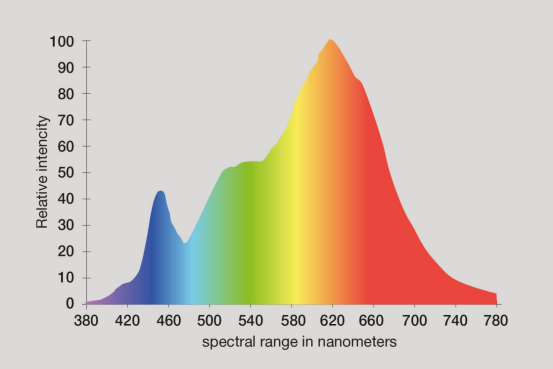
One of the most compelling advantages of growing tomato plants under grow lights lies in the unprecedented control over light spectrum composition, a feature that directly influences every aspect of plant health and productivity. Unlike natural sunlight which delivers a fixed spectrum regardless of plant needs, modern LED grow light systems allow you to customize the exact wavelengths your tomato plants receive at each developmental stage. During the seedling phase, you can emphasize blue spectrum wavelengths in the 400-500 nanometer range, which promote compact, sturdy growth with strong stems and dense foliage, preventing the leggy, weak seedlings that often result from insufficient light. As plants transition into vegetative growth, you maintain strong blue light presence while gradually introducing red spectrum wavelengths around 600-700 nanometers that drive photosynthesis efficiency and accelerate biomass accumulation. When tomato plants under grow lights reach the flowering and fruiting stage, you shift the spectrum balance toward red and far-red wavelengths that trigger reproductive processes, enhance flower formation, and improve fruit set rates. This spectral manipulation mimics the natural seasonal light changes that signal plants to transition between growth phases, but you control the timing precisely rather than waiting for nature's schedule. Advanced grow light systems incorporate multiple LED chip types within single fixtures, allowing seamless spectrum blending and adjustment through simple controller interfaces or smartphone applications. Some systems even offer pre-programmed spectrum recipes specifically optimized for tomato cultivation, eliminating guesswork for beginners while providing customization options for experienced growers who want to experiment with fine-tuning. The ability to deliver consistent, optimal spectrum composition throughout the entire growing area ensures uniform plant development, with every tomato plant receiving identical light quality regardless of its position relative to windows or other light sources. This uniformity translates directly into more predictable harvests, with fruits ripening simultaneously rather than in scattered patterns. Research has demonstrated that tomato plants under grow lights receiving optimized spectrum combinations produce higher concentrations of beneficial compounds including lycopene, vitamin C, and flavor-enhancing sugars compared to plants grown under suboptimal lighting conditions. The precision control also enables you to extend daily photoperiods during winter months when natural daylight falls short of the 14-16 hours tomato plants prefer, maintaining vigorous growth rates year-round without the slowdowns typical of winter greenhouse production.
Energy Efficiency and Cost-Effective Long-Term Operation

Energy Efficiency and Cost-Effective Long-Term Operation

The economic viability of growing tomato plants under grow lights has improved dramatically with LED technology advancements, making indoor cultivation accessible and sustainable for both hobbyists and commercial operators. Modern LED grow lights consume approximately 50-70 percent less electricity than older high-intensity discharge lamps while producing equivalent or superior growing results, directly reducing the operational costs that once made indoor cultivation prohibitively expensive. A typical LED fixture suitable for growing 4-6 tomato plants draws only 100-150 watts, costing roughly 3-5 dollars monthly in electricity at average residential rates when operated 14 hours daily. This modest expense pales in comparison to the retail value of organic, locally-grown tomatoes, with most home growers achieving positive return on investment within a single growing season. The energy efficiency extends beyond simple wattage consumption, as LED grow lights convert electrical energy into usable light wavelengths far more effectively than traditional technologies that waste significant energy as heat rather than photosynthetically active radiation. This superior conversion efficiency means tomato plants under grow lights receive more beneficial light per watt consumed, accelerating growth rates and shortening time to harvest, which further improves overall system efficiency. The reduced heat output of LED fixtures eliminates the need for expensive cooling systems that greenhouse operations using high-pressure sodium lamps require, cutting both equipment costs and ongoing climate control expenses. You can position LED grow lights closer to plant canopies without risk of heat damage, maximizing light intensity at leaf surfaces while maintaining compact plant architecture ideal for space-limited environments. The longevity of quality LED grow lights represents another significant economic advantage, with premium fixtures rated for 50,000-100,000 operational hours compared to 10,000-20,000 hours for older lamp technologies. This extended lifespan means a single LED investment supports 5-10 years of continuous tomato production without replacement costs, while traditional systems require frequent bulb changes that add recurring expenses and maintenance labor. Many LED grow light manufacturers offer warranties spanning 3-5 years, providing additional financial protection and demonstrating confidence in product durability. The combination of low energy consumption, minimal heat generation, extended lifespan, and reduced maintenance requirements makes growing tomato plants under grow lights economically competitive with outdoor gardening when you factor in the value of year-round production, elimination of crop losses to weather and pests, and premium quality of indoor-grown produce. For commercial operations, the scalability of LED systems allows incremental expansion without massive infrastructure investments, enabling businesses to grow production capacity in alignment with market demand rather than committing to oversized facilities from the outset.
Complete Environmental Control for Maximum Yield and Quality

Complete Environmental Control for Maximum Yield and Quality

Growing tomato plants under grow lights provides comprehensive environmental management capabilities that fundamentally transform cultivation outcomes by eliminating the variables and uncertainties inherent in outdoor or even traditional greenhouse production. When you bring tomato cultivation indoors under artificial lighting, you gain absolute control over every environmental factor that influences plant health, growth rate, and fruit quality. Temperature regulation becomes precise and consistent, maintaining the ideal range of 65-75 degrees Fahrenheit during the day and slightly cooler nights that tomato plants prefer, without the wild fluctuations that outdoor gardens experience between scorching afternoons and cool evenings. This temperature stability reduces plant stress, maintains consistent metabolic rates, and prevents the blossom drop that occurs when temperatures spike above 85 degrees or fall below 55 degrees. Humidity control represents another critical advantage, as you can maintain optimal levels around 60-70 percent that support healthy transpiration and nutrient uptake while preventing the excessive moisture that promotes fungal diseases like early blight, late blight, and powdery mildew that plague outdoor tomato crops. The enclosed environment protects tomato plants under grow lights from wind damage that can break stems, tear leaves, and dislodge developing fruits, allowing plants to direct energy toward productive growth rather than structural reinforcement and damage repair. Air circulation systems provide gentle, consistent airflow that strengthens stems through controlled movement while distributing CO2 evenly throughout the growing area, supporting maximum photosynthetic efficiency. You can even supplement CO2 levels above atmospheric concentrations of 400 parts per million up to 1000-1500 ppm, a technique that can increase growth rates and yields by 20-30 percent but remains impractical in outdoor settings where enriched CO2 simply disperses into the atmosphere. The controlled environment enables precise irrigation management using drip systems, automated timers, or sophisticated sensor-based controllers that deliver exactly the water volume plants need based on actual consumption rather than guesswork or fixed schedules. This precision prevents both overwatering that causes root rot and underwatering that stresses plants and reduces fruit size, maintaining optimal soil moisture levels that support vigorous growth throughout the entire cultivation cycle. Nutrient delivery becomes equally precise, with hydroponic or container-based systems allowing you to provide perfectly balanced fertilizer solutions tailored to tomato requirements at each growth stage, eliminating the nutrient deficiencies and imbalances common in outdoor garden soils. The combination of optimized lighting, stable temperatures, controlled humidity, managed airflow, precise irrigation, and balanced nutrition creates ideal growing conditions that enable tomato plants under grow lights to achieve their full genetic potential, producing larger yields of superior-quality fruits with enhanced flavor, color, and nutritional content compared to plants struggling with suboptimal outdoor conditions.