Grid Energy Storage Systems: Advanced Solutions for Reliable, Cost-Effective Power Management

All Categories

grid energy storage systems

Grid energy storage systems represent a transformative technology that addresses one of the most critical challenges in modern power infrastructure: balancing electricity supply and demand in real-time. These sophisticated systems capture electrical energy during periods of low demand or high generation and release it when consumption peaks or generation drops. At their core, grid energy storage systems function as massive batteries for the electrical grid, enabling utilities and grid operators to store excess power and deploy it strategically. The main functions include load leveling, which smooths out demand fluctuations throughout the day, frequency regulation that maintains grid stability at precisely 60 Hz in North America or 50 Hz in most other regions, and peak shaving that reduces strain during high-consumption periods. Technologically, grid energy storage systems encompass various approaches including lithium-ion battery arrays, flow batteries, compressed air energy storage, pumped hydroelectric storage, and emerging solid-state solutions. Each technology offers distinct characteristics in terms of discharge duration, response time, cycle life, and energy density. Modern grid energy storage systems integrate advanced power electronics, sophisticated battery management systems, and intelligent software that predicts demand patterns and optimizes charging and discharging cycles. Applications span utility-scale installations that support transmission networks, community energy storage serving distribution systems, and behind-the-meter commercial solutions. These systems enable greater integration of renewable energy sources like solar and wind by storing their intermittent output, provide backup power during outages, defer costly infrastructure upgrades, and create new revenue opportunities through energy arbitrage and ancillary services markets. As electricity grids worldwide transition toward cleaner energy sources and face increasing demand from electric vehicles and electrification initiatives, grid energy storage systems have become indispensable tools for creating resilient, efficient, and sustainable power networks that can adapt to rapidly changing energy landscapes.


New Products

Grid energy storage systems deliver tangible benefits that directly impact operational costs, reliability, and environmental performance. First, these systems dramatically reduce electricity expenses by capturing power when prices are lowest, typically during nighttime or periods of high renewable generation, and releasing it during expensive peak hours. This energy arbitrage can cut utility bills by 20 to 40 percent for commercial and industrial customers while helping utilities avoid purchasing expensive peaking power. Second, they enhance power reliability by providing instant backup during outages, ensuring critical operations continue without interruption. Unlike diesel generators that take minutes to start, grid energy storage systems respond in milliseconds, protecting sensitive equipment from voltage fluctuations and preventing costly downtime. Third, these systems extend the lifespan of existing infrastructure by reducing stress on transformers, transmission lines, and substations during peak demand periods, deferring expensive upgrades that would otherwise cost millions. Fourth, they maximize the value of renewable energy investments by storing excess solar production during midday and wind energy at night, then deploying it when needed rather than curtailing clean power. This capability transforms intermittent renewables into dispatchable resources that can compete with traditional power plants. Fifth, grid energy storage systems create new revenue streams through participation in wholesale electricity markets, providing services like frequency regulation, voltage support, and capacity reserves that grid operators pay premium rates to secure. Sixth, they reduce carbon emissions by displacing fossil fuel peaker plants that typically run only during high-demand periods but operate inefficiently and produce disproportionate pollution. Seventh, these systems improve power quality by filtering harmonics, correcting power factor, and stabilizing voltage, which protects equipment and reduces maintenance costs. Eighth, they provide energy independence and resilience, particularly valuable for facilities that cannot tolerate power interruptions such as hospitals, data centers, and manufacturing plants. Ninth, grid energy storage systems support electric vehicle charging infrastructure by managing demand spikes and enabling fast charging without overwhelming local distribution networks. Finally, they future-proof energy infrastructure by creating flexible, modular platforms that can adapt as technology advances and energy needs evolve, protecting long-term investments in power systems.

Latest News

Energy Savings and Spectral Precision

14

Jan

Energy Savings and Spectral Precision

Discover how horticultural LED lighting cuts energy use by up to 50% while boosting plant growth with optimized spectra. Reduce TCO and enhance sustainability. Learn more today.
View More
Introduction to Photosynthetically Active Radiation (PAR)

14

Jan

Introduction to Photosynthetically Active Radiation (PAR)

Discover how Photosynthetically Active Radiation (PAR) boosts photosynthesis, growth, and yields. Learn to optimize LED lighting for energy efficiency and crop quality. Read more.
View More
Comprehensive Light Planning in Controlled Environment Agriculture

12

Mar

Comprehensive Light Planning in Controlled Environment Agriculture

Maximize crop yield with precise PPFD planning. Discover how 3D light simulations improve uniformity, reduce waste, and boost photosynthesis. Get your free lighting guide.
View More
The Grow Light Spectrum

15

Jan

The Grow Light Spectrum

Maximize photosynthetic efficiency and yields with science-backed grow light spectra. Discover how blue, red, and full-spectrum lighting affect plant growth. Learn more.
View More

Get a Free Quote

Our representative will contact you soon.
Email
Mobile
Country/Region
Name
Message
0/1000

grid energy storage systems

Seamless Renewable Energy Integration

Seamless Renewable Energy Integration

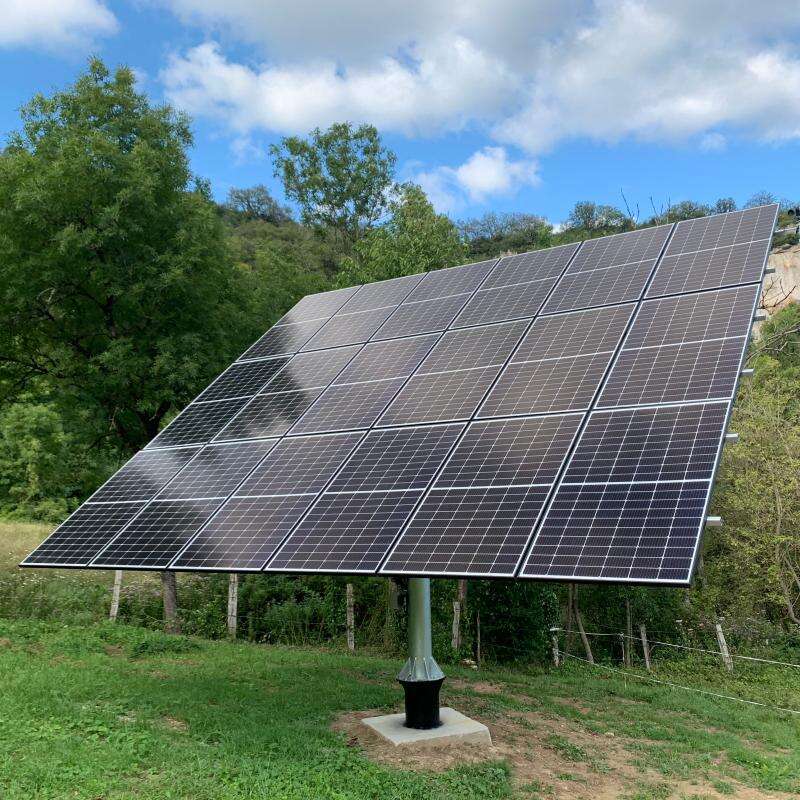
Grid energy storage systems solve the fundamental challenge that has historically limited renewable energy adoption: the mismatch between when clean power is generated and when it is needed. Solar panels produce maximum output during midday when commercial demand is high but residential consumption is low, while wind turbines often generate most power at night when overall demand drops significantly. Without storage, this timing mismatch forces grid operators to curtail renewable generation, essentially wasting clean energy, or rely on fossil fuel plants to fill gaps when the sun sets or wind dies down. Grid energy storage systems eliminate this compromise by capturing renewable energy whenever it is produced and dispatching it precisely when demand requires. This capability transforms solar and wind from intermittent resources into reliable, dispatchable power sources that can serve baseload demand traditionally met by coal or natural gas plants. The impact extends beyond simple time-shifting. These systems enable much higher renewable penetration levels on the grid without destabilizing frequency or voltage, allowing regions to pursue ambitious clean energy targets that would otherwise remain technically infeasible. For businesses and institutions with on-site solar installations, grid energy storage systems maximize return on investment by ensuring every kilowatt-hour generated delivers value rather than being exported to the grid at minimal compensation or curtailed entirely. The environmental benefits multiply as storage enables retirement of polluting peaker plants that historically provided grid flexibility. These older facilities, often burning diesel or natural gas, operate inefficiently and produce disproportionate emissions per unit of electricity generated. By providing the same flexibility services through stored renewable energy, grid energy storage systems accelerate the transition to zero-emission power systems. Furthermore, these systems support community resilience by creating local energy resources that can island from the main grid during emergencies, powering critical facilities with stored renewable energy when transmission lines fail. As renewable energy costs continue declining and storage technology advances, grid energy storage systems become the essential link that unlocks the full potential of clean power, creating pathways to 100 percent renewable grids that seemed impossible just a decade ago.
Advanced Grid Stabilization and Power Quality

Advanced Grid Stabilization and Power Quality

Grid energy storage systems provide sophisticated grid stabilization services that maintain the delicate balance required for reliable electricity delivery, services that become increasingly critical as power systems grow more complex. Modern grids must maintain frequency within extremely narrow tolerances, typically plus or minus 0.05 Hz from the standard 60 Hz or 50 Hz, while simultaneously balancing voltage levels across vast transmission networks. Traditional power plants provide this stability through massive rotating generators whose physical inertia naturally resists frequency changes, but as these plants retire in favor of renewable sources, grids lose this inherent stabilizing force. Grid energy storage systems fill this gap through power electronics that can inject or absorb electricity in milliseconds, far faster than any conventional generator can respond. This rapid response capability makes storage systems exceptionally valuable for frequency regulation, the continuous micro-adjustments that keep grid frequency stable as demand fluctuates second by second. Utilities pay premium rates for frequency regulation services because they are essential for grid reliability, creating significant revenue opportunities for storage system operators. Beyond frequency control, grid energy storage systems provide voltage support that prevents the sags and swells that damage sensitive equipment and disrupt operations. Manufacturing facilities with precision machinery, data centers running critical servers, and hospitals operating life-saving equipment all depend on clean, stable power that storage systems help deliver. These systems also mitigate harmonics and power quality issues introduced by variable frequency drives, LED lighting, and other modern electronic loads that can distort the smooth sinusoidal waveform of AC power. By filtering these distortions, grid energy storage systems protect equipment throughout the distribution network and reduce maintenance costs associated with power quality problems. The black start capability of grid energy storage systems provides another critical advantage: the ability to restart grid sections after major outages without relying on external power sources. Traditional black start resources like hydroelectric plants or diesel generators are geographically limited and slow to deploy, while storage systems can be strategically located and respond instantly. This capability proved invaluable during recent extreme weather events that caused widespread blackouts, enabling faster restoration of power to affected communities. As grids incorporate more distributed energy resources, electric vehicle chargers, and smart building systems, the complexity of maintaining stability increases exponentially, making the advanced control capabilities of grid energy storage systems not just beneficial but essential for future power system reliability.
Economic Optimization and Demand Management

Economic Optimization and Demand Management

Grid energy storage systems deliver powerful economic benefits through intelligent demand management and strategic energy deployment that directly reduce operating costs while creating new revenue opportunities. The most immediate financial advantage comes from peak demand reduction, which addresses the reality that utility rates include substantial demand charges based on the highest power consumption during any 15 or 30-minute interval each month. A single demand spike, perhaps from starting multiple motors simultaneously or running all HVAC systems during a heat wave, can inflate electricity bills for the entire billing period. Grid energy storage systems monitor consumption in real-time and automatically discharge to cap peak demand below target thresholds, eliminating these expensive spikes. For large commercial and industrial customers, demand charge reductions alone can justify storage system investments, with payback periods often under five years. Energy arbitrage provides another lucrative opportunity by exploiting time-varying electricity prices. In markets with time-of-use rates or real-time pricing, electricity costs can vary by factors of three to ten between off-peak and peak periods. Grid energy storage systems charge during the cheapest hours and discharge during the most expensive, capturing this price differential as pure economic value. Sophisticated systems use machine learning algorithms to predict price patterns and optimize charging schedules, maximizing arbitrage profits while ensuring sufficient capacity remains for demand management and backup power needs. Participation in wholesale electricity markets opens additional revenue streams through ancillary services that grid operators procure to maintain system reliability. Frequency regulation, spinning reserves, and voltage support all command premium compensation because they require resources that can respond within seconds to grid operator signals. Grid energy storage systems excel at these fast-response services, often earning more revenue from ancillary markets than from energy arbitrage alone. The economic benefits extend to avoided infrastructure costs, as storage systems can defer or eliminate expensive utility upgrades. When a facility approaches the capacity limits of its electrical service, traditional solutions require transformer upgrades, service panel replacements, or even new utility connections costing hundreds of thousands of dollars. Grid energy storage systems provide an alternative by managing load to stay within existing capacity limits, avoiding these capital expenditures entirely. For utilities, strategically placed grid energy storage systems defer transmission and distribution upgrades by reducing peak loading on constrained circuits, providing economic benefits that far exceed the storage system costs. Tax incentives and rebate programs further enhance economics, with investment tax credits, accelerated depreciation, and state-level incentives reducing net costs by 30 to 50 percent in many jurisdictions. These financial mechanisms recognize the grid benefits that storage provides and make projects economically attractive even in markets with modest electricity price differentials. As electricity rates continue rising and storage costs decline, the economic case for grid energy storage systems strengthens, making them increasingly essential tools for managing energy costs and creating resilient, profitable operations.