Horticulture Interlight Solutions: Maximize Greenhouse Yields with Advanced LED Canopy Lighting Technology

All Categories

horticulture interlight

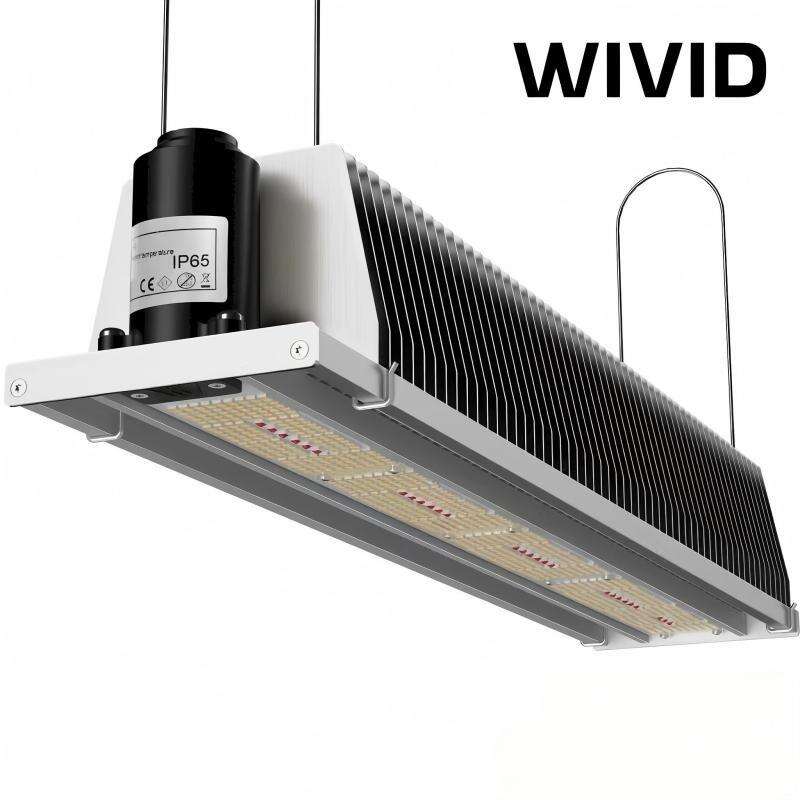
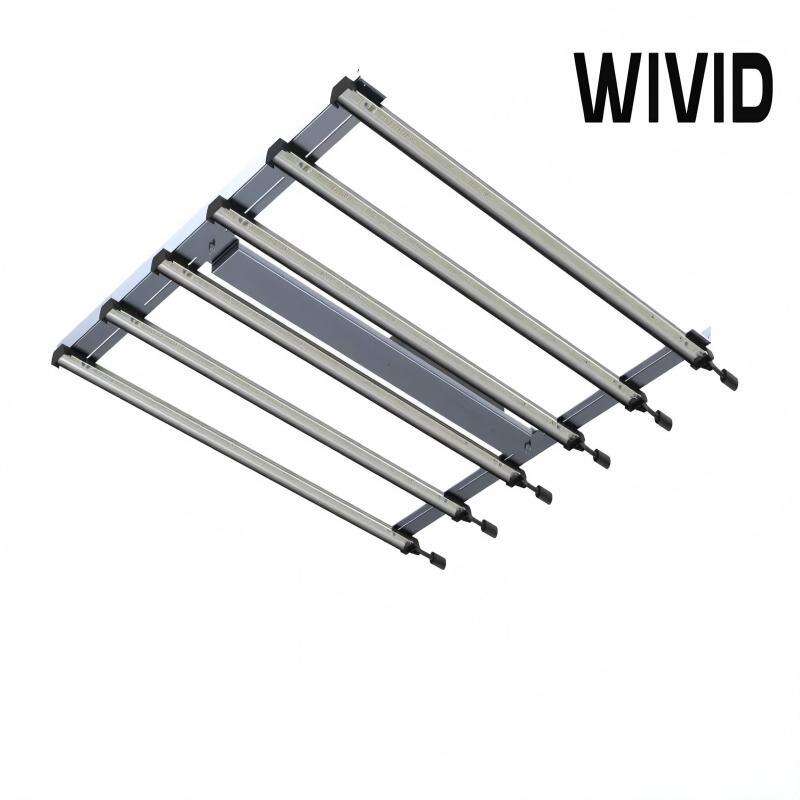
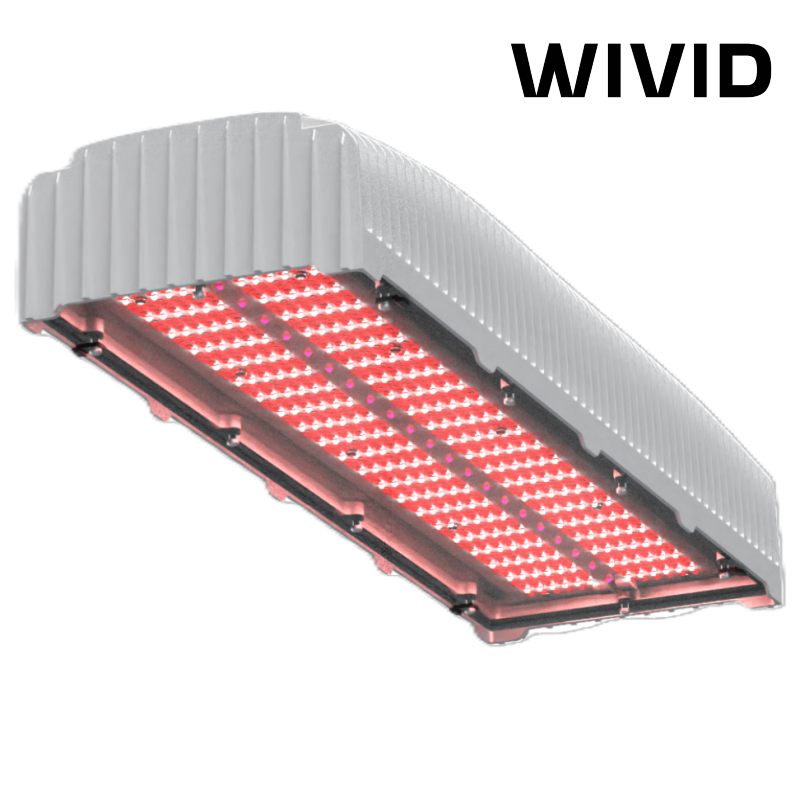
Horticulture interlight represents a revolutionary lighting solution designed specifically for commercial greenhouse operations and vertical farming systems. This specialized lighting technology positions LED fixtures between plant canopy layers, delivering targeted illumination directly to lower foliage and fruiting zones that traditional overhead lighting cannot effectively reach. The horticulture interlight system addresses a critical challenge in modern agriculture: ensuring uniform light distribution throughout dense crop canopies to maximize photosynthetic efficiency and overall yield potential. Unlike conventional top-lighting arrangements, interlight fixtures mount horizontally along growing rows or vertically between plant tiers, creating a multi-dimensional lighting environment that mimics natural sunlight penetration. The main functions of horticulture interlight include supplementing photosynthetically active radiation in shaded areas, promoting balanced vegetative growth across all plant sections, enhancing fruit development in lower canopy regions, and improving overall crop quality through consistent light exposure. Technological features distinguish modern horticulture interlight systems from basic supplemental lighting. These fixtures incorporate full-spectrum LED technology with customizable wavelength ratios, allowing growers to optimize light recipes for specific crop requirements and growth stages. Advanced thermal management systems prevent heat accumulation near sensitive plant tissues, while waterproof and dustproof enclosures ensure reliable operation in high-humidity greenhouse environments. Many horticulture interlight products feature dimming capabilities and integration with environmental control systems, enabling automated light intensity adjustments based on natural sunlight availability and plant developmental needs. Applications for horticulture interlight span various high-value crops including tomatoes, cucumbers, peppers, strawberries, and leafy greens grown in greenhouse settings. Vertical farming operations utilize interlight technology extensively to maximize production density in controlled environment agriculture facilities. Cannabis cultivation facilities have adopted horticulture interlight to improve cannabinoid production and flower quality in lower bud sites. Research institutions employ interlight systems to study plant responses to different lighting strategies and optimize production protocols for emerging crops.

New Products

The horticulture interlight delivers measurable improvements in crop production that directly impact profitability for commercial growers. By illuminating lower canopy sections that would otherwise remain shaded, this lighting approach increases the productive leaf area of each plant, resulting in yield improvements ranging from fifteen to thirty percent depending on crop type and growing conditions. This additional production comes from previously unproductive plant sections, effectively increasing the return on investment for the entire growing space without expanding facility footprint. Energy efficiency represents another significant advantage of modern horticulture interlight systems. LED technology converts electrical energy to usable light with minimal heat generation, reducing cooling costs in climate-controlled environments. The strategic placement of interlight fixtures closer to target foliage means lower wattage requirements compared to achieving similar light levels through overhead fixtures alone. Growers can fine-tune light intensity and spectrum for different canopy zones, avoiding the waste associated with over-illuminating upper leaves while under-illuminating lower sections. This precision reduces overall energy consumption while improving light utilization efficiency. Crop quality improvements extend beyond simple yield increases when using horticulture interlight. Fruits developing in lower canopy positions receive adequate light for proper sugar accumulation, color development, and nutritional content. Tomatoes grown with interlight supplementation show improved firmness, enhanced flavor profiles, and better shelf life compared to those grown under top-lighting alone. Uniform ripening across all fruit trusses simplifies harvest scheduling and reduces labor costs associated with multiple selective harvests. Leafy greens exhibit more consistent coloration and texture throughout the plant structure, commanding premium prices in quality-focused markets. The flexibility of horticulture interlight systems allows growers to adapt lighting strategies as crops develop. During early growth stages, interlight fixtures can operate at lower intensities or remain off entirely, then gradually increase output as canopy density builds. This dynamic approach matches light delivery to actual plant needs throughout the production cycle, optimizing both plant performance and operational costs. Installation versatility accommodates various greenhouse designs and growing systems, from traditional soil beds to hydroponic gutters and vertical tower systems. Maintenance requirements for quality horticulture interlight products remain minimal due to the long operational lifespan of LED components, typically exceeding fifty thousand hours. This longevity reduces replacement frequency and associated labor costs compared to traditional lighting technologies. The durability of modern fixtures withstands the challenging greenhouse environment including high humidity, temperature fluctuations, and exposure to water and fertilizers during routine crop maintenance activities.

Latest News

Energy Savings and Spectral Precision

14

Jan

Energy Savings and Spectral Precision

Discover how horticultural LED lighting cuts energy use by up to 50% while boosting plant growth with optimized spectra. Reduce TCO and enhance sustainability. Learn more today.
View More
Introduction to Photosynthetically Active Radiation (PAR)

14

Jan

Introduction to Photosynthetically Active Radiation (PAR)

Discover how Photosynthetically Active Radiation (PAR) boosts photosynthesis, growth, and yields. Learn to optimize LED lighting for energy efficiency and crop quality. Read more.
View More
Comprehensive Light Planning in Controlled Environment Agriculture

12

Mar

Comprehensive Light Planning in Controlled Environment Agriculture

Maximize crop yield with precise PPFD planning. Discover how 3D light simulations improve uniformity, reduce waste, and boost photosynthesis. Get your free lighting guide.
View More
The Grow Light Spectrum

15

Jan

The Grow Light Spectrum

Maximize photosynthetic efficiency and yields with science-backed grow light spectra. Discover how blue, red, and full-spectrum lighting affect plant growth. Learn more.
View More

Get a Free Quote

Our representative will contact you soon.
Email
Mobile
Country/Region
Name
Message
0/1000

horticulture interlight

Enhanced Photosynthetic Efficiency Through Strategic Light Placement

Enhanced Photosynthetic Efficiency Through Strategic Light Placement

The fundamental advantage of horticulture interlight lies in its ability to overcome the natural limitation of light penetration through dense plant canopies. In traditional greenhouse production relying solely on overhead lighting, upper leaves absorb the majority of available light while lower foliage exists in progressively deeper shade. This vertical light gradient creates a situation where upper leaves may receive excess light beyond their photosynthetic capacity while lower leaves operate below their compensation point, contributing minimally to overall plant productivity. Horticulture interlight addresses this inefficiency by positioning light sources within the canopy structure itself, delivering photosynthetically active radiation directly to previously shaded leaf surfaces. This strategic placement transforms unproductive lower leaves into active contributors to plant growth and fruit development. The physiological impact extends beyond simple light availability. When lower leaves receive adequate illumination through interlight supplementation, they maintain higher chlorophyll concentrations and photosynthetic enzyme activity compared to shaded conditions. This metabolic activity generates carbohydrates that support fruit development in lower canopy positions, leading to more uniform fruit sizing across all trusses or clusters. Research demonstrates that tomato plants grown with horticulture interlight produce significantly more marketable fruit from lower trusses, with individual fruit weights comparable to those from upper, naturally well-lit positions. The economic implications prove substantial when calculated across an entire growing season and facility area. Furthermore, the improved light distribution created by horticulture interlight reduces the competitive dynamics within the plant canopy. In overhead-only lighting scenarios, upper leaves effectively shade lower leaves, creating internal competition for light resources. This competition can trigger stress responses and premature senescence of lower foliage, reducing the functional leaf area available for photosynthesis. Interlight supplementation maintains the photosynthetic viability of lower leaves throughout the production cycle, extending their productive lifespan and maximizing the plant's total carbon assimilation capacity. The result manifests as more vigorous overall plant growth, improved stress tolerance, and enhanced productivity that justifies the investment in interlight infrastructure for commercial operations focused on maximizing returns from their growing space.
Customizable Spectrum Control for Optimized Plant Development

Customizable Spectrum Control for Optimized Plant Development

Modern horticulture interlight systems incorporate advanced LED technology that provides unprecedented control over light spectrum composition, enabling growers to fine-tune the wavelength distribution delivered to different canopy zones. This spectral flexibility represents a powerful tool for influencing plant morphology, biochemical composition, and developmental timing in ways that traditional broad-spectrum lighting cannot achieve. The ability to adjust red to far-red ratios, blue light percentages, and inclusion of specific wavelengths allows cultivation strategies tailored to specific crop requirements and production goals. Different plant species and even different cultivars within a species respond uniquely to spectral variations, and horticulture interlight enables optimization for each situation. For fruiting crops like tomatoes and peppers, increasing red light ratios in lower canopy interlight fixtures promotes flowering and fruit set in positions that might otherwise remain vegetative under natural light conditions. The enhanced red light exposure triggers phytochrome-mediated responses that encourage reproductive development, effectively extending the productive fruiting zone downward along the plant stem. This spectral manipulation increases the number of fruit-bearing nodes per plant without requiring additional vertical growing space. Blue light enrichment through horticulture interlight benefits leafy greens and herbs by promoting compact growth habits, increased leaf thickness, and enhanced production of secondary metabolites responsible for flavor and nutritional value. Basil grown with blue-enriched interlight exhibits higher concentrations of essential oils, delivering superior aroma and taste profiles valued by premium markets. Lettuce varieties show improved leaf coloration and antioxidant content when lower leaves receive adequate blue light through interlight supplementation. The spectral control extends to managing plant architecture and preventing excessive elongation in high-density production systems. By maintaining appropriate blue light levels throughout the canopy via horticulture interlight, growers can produce more compact plants with shorter internodal spacing, allowing tighter plant spacing and increased production per square meter of greenhouse area. This morphological control proves particularly valuable in vertical farming applications where space efficiency directly determines economic viability. Additionally, the ability to program different spectral recipes for different times of day or growth stages adds another dimension of optimization. Growers can emphasize blue wavelengths during vegetative growth phases to build strong plant structure, then shift toward red-enriched spectra during reproductive phases to maximize flowering and fruiting, all through the same horticulture interlight infrastructure with programmable control systems.
Improved Crop Uniformity and Harvest Efficiency

Improved Crop Uniformity and Harvest Efficiency

Horticulture interlight delivers substantial operational benefits through improved crop uniformity, which translates directly into reduced labor costs and enhanced product marketability. In production systems relying exclusively on overhead lighting, the vertical gradient in light availability creates corresponding gradients in fruit development, ripening timing, and quality characteristics. Upper fruits receive abundant light and develop quickly with good size and color, while lower fruits lag behind in development, often remaining smaller and requiring extended time to reach harvest maturity. This developmental variation necessitates multiple selective harvests where workers must carefully identify and pick only ripe fruits while leaving immature ones for future harvests. The labor intensity of selective harvesting significantly increases production costs, and the extended harvest window complicates logistics and market planning. Implementing horticulture interlight fundamentally changes this dynamic by providing adequate light to lower canopy positions, enabling more synchronized fruit development across all plant levels. When lower fruits receive sufficient photosynthetically active radiation through interlight supplementation, they develop at rates comparable to upper fruits, achieving similar size, color, and sugar content within a compressed timeframe. This uniformity allows growers to implement cluster or truss harvesting strategies where entire groups of fruits are removed simultaneously rather than individual fruit selection. The labor efficiency gains prove substantial, with some operations reporting harvest labor reductions of twenty to thirty percent when transitioning from selective to cluster harvesting enabled by horticulture interlight. Beyond labor savings, the improved uniformity enhances product consistency, which commands premium pricing in wholesale markets where buyers value predictable quality and sizing. Retail packaging operations benefit from reduced sorting and grading requirements when fruit characteristics show less variation. The compressed harvest window also improves cold chain management and reduces post-harvest losses by minimizing the time between harvest and cooling. Quality consistency extends to biochemical characteristics including sugar content, acidity, and flavor compound concentrations, which show less variation across fruits from different canopy positions when horticulture interlight provides uniform light distribution. For organic and sustainable production systems, the improved plant health resulting from better light distribution throughout the canopy reduces disease pressure in lower plant sections. Shaded, poorly illuminated lower leaves are more susceptible to fungal pathogens and bacterial infections due to reduced photosynthetic activity and compromised immune responses. Horticulture interlight maintains leaf health and vigor in lower canopy zones, contributing to overall plant resilience and reducing reliance on disease management interventions.