Sustainable Resource Management and Year-Round Production Capability
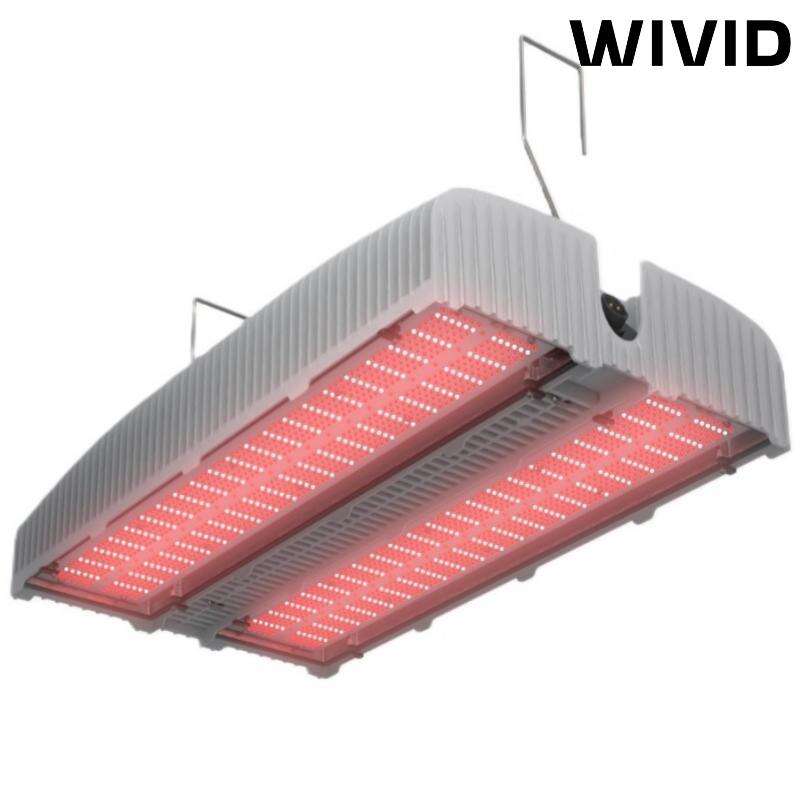
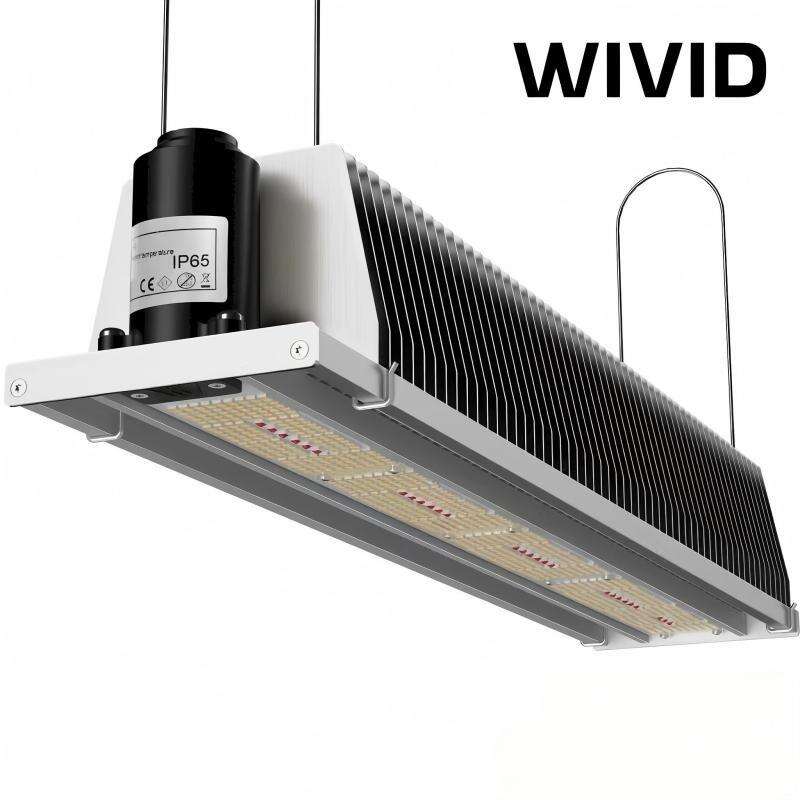
Hydroponics with grow lights represents a sustainable agricultural solution that addresses critical resource challenges facing modern food production. Water scarcity threatens farming regions worldwide, yet hydroponics with grow lights uses a fraction of the water required by conventional methods. The closed-loop recirculating system captures and reuses nutrient solution, with plants absorbing only what they need for growth. Evaporation losses remain minimal in controlled indoor environments, and any water that transpires through leaves returns to the atmosphere within the growing space rather than being lost to open air. This efficiency means producing a pound of lettuce requires just two gallons of water in hydroponics with grow lights compared to 20 gallons in field agriculture. The environmental benefits extend beyond water conservation, as hydroponics with grow lights eliminates agricultural runoff that pollutes waterways with fertilizers and pesticides. Nutrients stay contained within the system, preventing the algae blooms and dead zones that plague regions with intensive conventional farming. The absence of soil means no erosion, topsoil depletion, or land degradation that reduces agricultural productivity over time. Hydroponics with grow lights enables food production on previously unusable land, including urban rooftops, abandoned industrial sites, and desert regions where traditional farming proves impossible. This flexibility supports local food systems that reduce transportation emissions and fossil fuel consumption associated with long-distance produce shipping. Year-round growing capability eliminates the feast-or-famine cycles of seasonal agriculture, providing consistent supply that stabilizes prices and ensures food security. You harvest fresh produce during winter months when outdoor gardens lie frozen and dormant, maintaining nutritional diversity in your diet throughout the year. Commercial growers using hydroponics with grow lights meet market demand continuously rather than flooding markets during peak harvest seasons and facing shortages during off-seasons. This production stability supports better business planning and reduces food waste from oversupply situations. The technology also future-proofs food production against climate change impacts that increasingly disrupt traditional agriculture through droughts, floods, and unpredictable weather patterns. Hydroponics with grow lights operates independently of external conditions, maintaining productivity regardless of environmental challenges. As global population growth increases food demand while arable land decreases, hydroponics with grow lights offers a scalable solution that produces more food using fewer resources in smaller spaces, making it an essential technology for sustainable food security.

 EN
EN