Indoor Horticulture Lighting Solutions - Advanced LED Grow Lights for Year-Round Cultivation

All Categories

indoor horticulture lighting

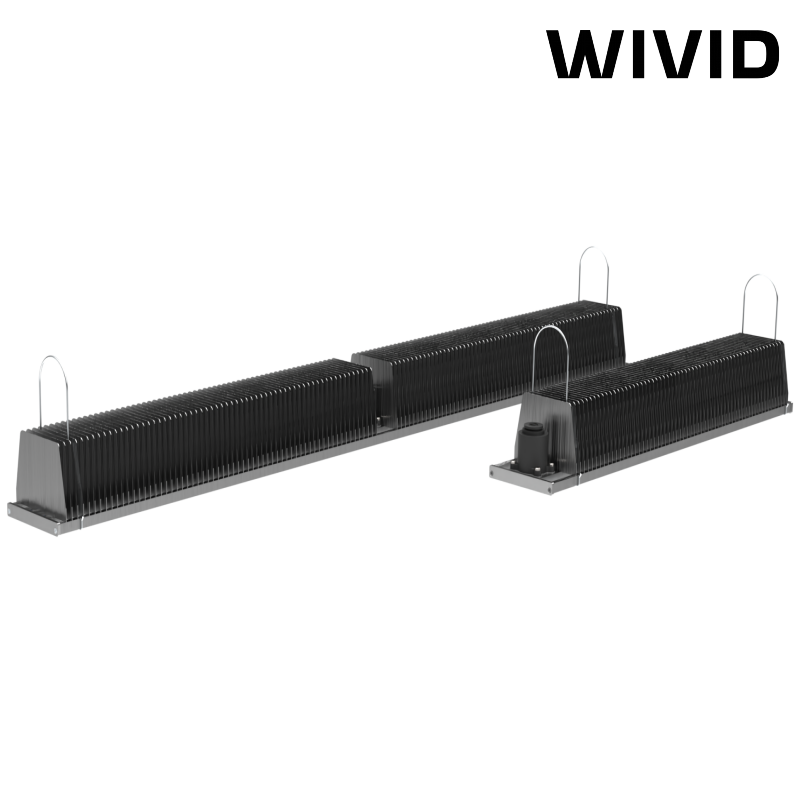
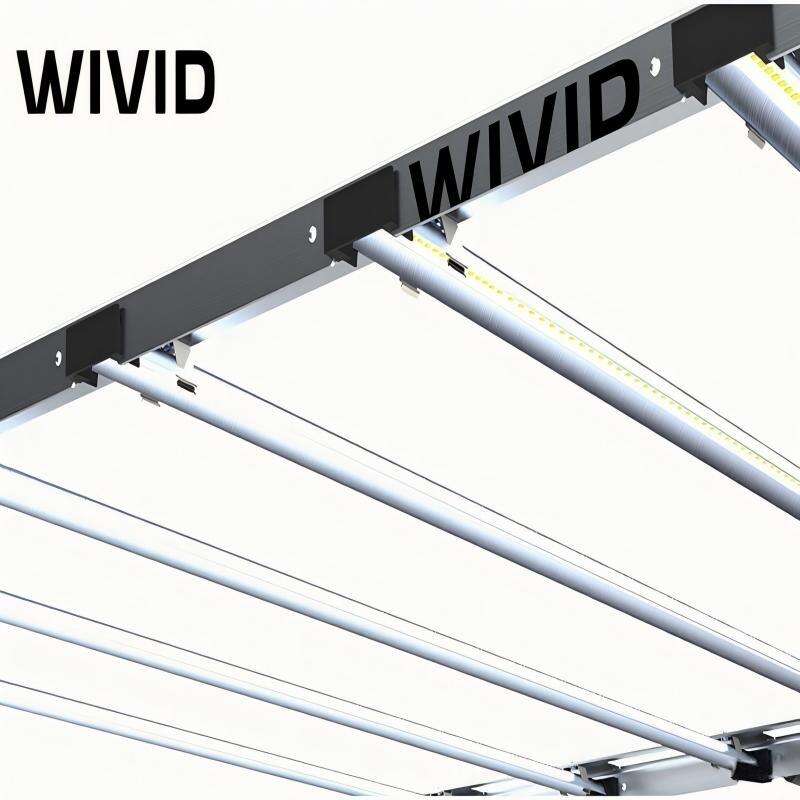
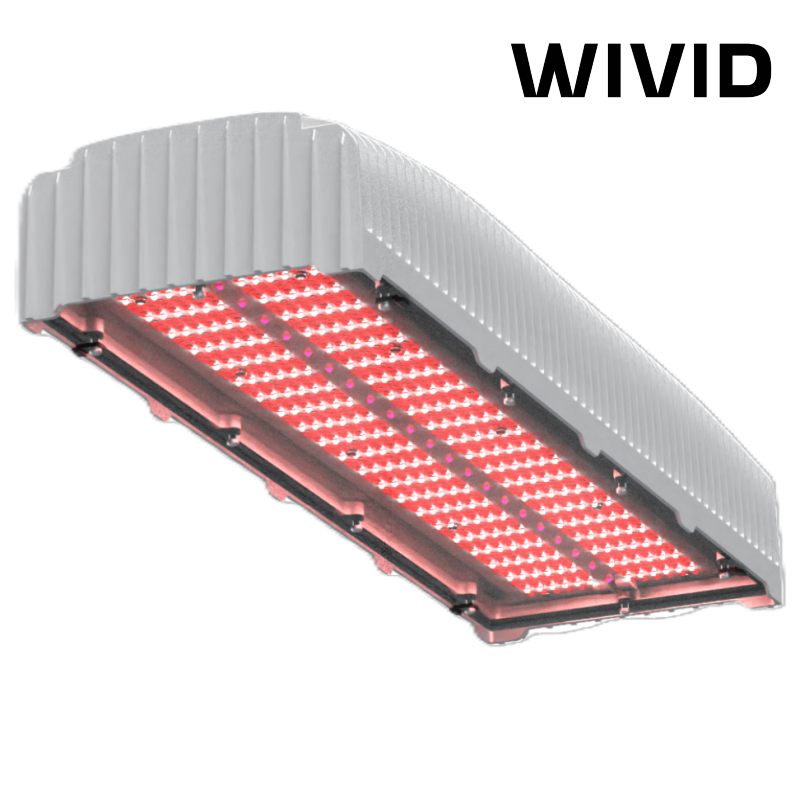
Indoor horticulture lighting represents a revolutionary advancement in controlled environment agriculture, enabling growers to cultivate plants year-round regardless of external weather conditions or geographical limitations. This specialized lighting technology replicates and optimizes the natural sunlight spectrum, providing plants with the precise wavelengths needed for photosynthesis, growth, and development. Modern indoor horticulture lighting systems utilize advanced LED technology, high-intensity discharge lamps, and fluorescent fixtures designed specifically for plant cultivation. These systems deliver targeted light spectrums that can be customized according to different growth stages, from seedling germination through vegetative growth to flowering and fruiting phases. The main functions of indoor horticulture lighting include providing consistent photosynthetically active radiation, maintaining optimal daily light integral levels, and creating ideal growing conditions that maximize plant health and productivity. Technological features encompass programmable light schedules, adjustable spectrum control, energy-efficient operation, and heat management systems that prevent temperature fluctuations. Applications span commercial greenhouse operations, vertical farming facilities, research laboratories, home gardening setups, and urban agriculture projects. Indoor horticulture lighting enables cultivation of vegetables, herbs, flowers, medicinal plants, and specialty crops in spaces where natural sunlight is insufficient or unavailable. The technology supports sustainable food production by reducing transportation costs, minimizing water usage, and eliminating pesticide dependency. Advanced systems integrate with environmental control platforms, allowing growers to monitor and adjust lighting parameters remotely through smartphone applications or computer interfaces. This precision agriculture approach optimizes resource utilization while maximizing crop yields and quality. Indoor horticulture lighting has transformed how we approach food security, making fresh produce accessible in urban centers, desert regions, and areas with harsh climates where traditional agriculture faces significant challenges.


New Products

Indoor horticulture lighting delivers transformative benefits that revolutionize how plants are grown in controlled environments. First and foremost, these systems provide complete independence from seasonal changes and weather patterns, allowing you to grow fresh produce, flowers, and herbs throughout the entire year without interruption. This consistency means you can plan harvests according to market demand rather than being constrained by traditional growing seasons. The technology gives you precise control over light intensity, duration, and spectrum, enabling you to tailor conditions for specific plant varieties and growth stages. You can accelerate growth cycles, improve nutritional content, and enhance flavor profiles by adjusting light parameters to match plant requirements exactly. Energy efficiency stands as a major advantage, with modern LED-based indoor horticulture lighting consuming significantly less electricity compared to traditional lighting methods while generating minimal heat. This reduction in heat output means you spend less on cooling systems and create more comfortable working conditions. The targeted spectrum delivery ensures plants receive only the wavelengths they actually use for photosynthesis, eliminating wasted energy on unnecessary light frequencies. Space optimization becomes possible as indoor horticulture lighting enables vertical farming and multi-tier growing systems, dramatically increasing production capacity per square foot. You can transform basements, warehouses, shipping containers, and unused urban spaces into productive growing areas. The controlled environment protects crops from pests, diseases, and extreme weather events, reducing crop losses and eliminating the need for harmful pesticides. This results in cleaner, healthier produce that meets organic standards more easily. Water conservation improves substantially since indoor systems with proper lighting allow for precise irrigation management and recirculation, using up to 95 percent less water than traditional field agriculture. The ability to locate production facilities near consumption centers reduces transportation costs, carbon emissions, and food waste while ensuring maximum freshness. Indoor horticulture lighting supports faster growth rates and higher yields per plant compared to outdoor cultivation, improving your return on investment. You gain the flexibility to grow exotic or out-of-season crops that command premium prices in local markets. The technology also enables year-round employment opportunities and stable income streams for agricultural workers. Quality control becomes easier as consistent lighting conditions produce uniform crops with predictable characteristics, meeting strict commercial standards. Research and development benefit enormously from indoor horticulture lighting, as scientists can conduct controlled experiments and accelerate breeding programs. Home gardeners enjoy the satisfaction of growing fresh food regardless of apartment size or climate zone, contributing to food security and personal well-being.

Practical Tips

Energy Savings and Spectral Precision

14

Jan

Energy Savings and Spectral Precision

Discover how horticultural LED lighting cuts energy use by up to 50% while boosting plant growth with optimized spectra. Reduce TCO and enhance sustainability. Learn more today.
View More
Introduction to Photosynthetically Active Radiation (PAR)

14

Jan

Introduction to Photosynthetically Active Radiation (PAR)

Discover how Photosynthetically Active Radiation (PAR) boosts photosynthesis, growth, and yields. Learn to optimize LED lighting for energy efficiency and crop quality. Read more.
View More
Comprehensive Light Planning in Controlled Environment Agriculture

12

Mar

Comprehensive Light Planning in Controlled Environment Agriculture

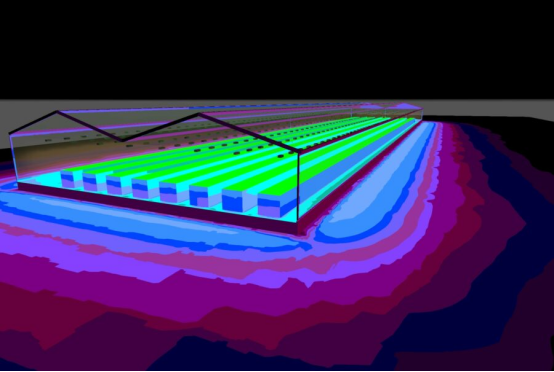
Maximize crop yield with precise PPFD planning. Discover how 3D light simulations improve uniformity, reduce waste, and boost photosynthesis. Get your free lighting guide.
View More
The Grow Light Spectrum

15

Jan

The Grow Light Spectrum

Maximize photosynthetic efficiency and yields with science-backed grow light spectra. Discover how blue, red, and full-spectrum lighting affect plant growth. Learn more.
View More

Get a Free Quote

Our representative will contact you soon.
Email
Mobile
Country/Region
Name
Message
0/1000

indoor horticulture lighting

Customizable Spectrum Technology for Optimal Plant Development

Customizable Spectrum Technology for Optimal Plant Development

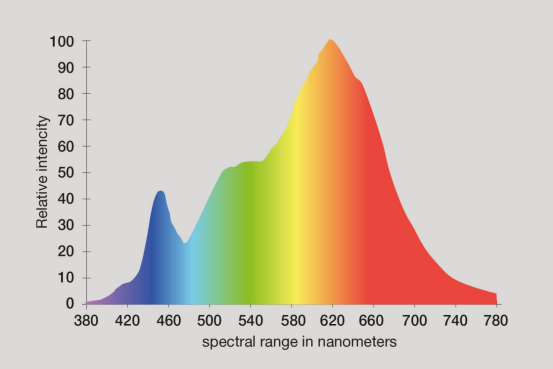
Indoor horticulture lighting systems equipped with customizable spectrum technology represent a quantum leap in plant cultivation science, offering unprecedented control over plant growth and development. This advanced feature allows growers to precisely adjust the light spectrum composition, delivering specific wavelengths that correspond to different photoreceptors in plant cells. Blue wavelengths in the 400-500 nanometer range promote compact, bushy growth and strong root development, making them ideal during vegetative stages. Red wavelengths between 600-700 nanometers drive photosynthesis efficiency and trigger flowering responses, essential for fruiting crops and ornamental plants. Far-red light influences stem elongation and flowering time, while green wavelengths penetrate deeper into plant canopies, supporting lower leaf photosynthesis. The ability to create custom spectrum recipes means you can optimize conditions for specific crops, whether growing leafy greens, tomatoes, cannabis, orchids, or microgreens. During seedling stages, you can provide higher blue ratios to prevent stretching and build strong foundations. As plants transition to flowering, increasing red wavelengths stimulates reproductive development and enhances yield potential. This spectral flexibility eliminates the one-size-fits-all limitations of traditional lighting, where plants receive whatever spectrum the light source naturally emits. Advanced indoor horticulture lighting systems feature programmable controllers that automatically adjust spectrum ratios throughout the day, mimicking natural sunrise and sunset transitions that regulate plant circadian rhythms. This dynamic spectrum control reduces plant stress and improves overall health. Research demonstrates that optimized spectrum delivery can increase crop yields by 20-40 percent while improving nutritional content, including higher vitamin levels, increased antioxidant concentrations, and enhanced flavor compound production. The technology also enables manipulation of plant morphology, allowing you to control height, leaf size, branching patterns, and flowering density according to production goals. Commercial growers use spectrum customization to differentiate their products, creating unique characteristics that appeal to premium markets. The precision offered by customizable spectrum technology reduces energy waste by eliminating unnecessary wavelengths, focusing all electrical input on productive photosynthesis. This targeted approach translates to lower operating costs and improved sustainability. The value extends beyond immediate production benefits, as spectrum control enables year-round crop planning without seasonal light quality variations that affect outdoor growing.
Energy Efficiency and Long-Term Cost Savings

Energy Efficiency and Long-Term Cost Savings

Energy efficiency stands as the cornerstone advantage of modern indoor horticulture lighting, fundamentally transforming the economics of controlled environment agriculture. Traditional lighting technologies like high-pressure sodium and metal halide lamps convert only 30-40 percent of electrical input into usable light, wasting the remainder as heat that requires expensive cooling systems to manage. Contemporary LED-based indoor horticulture lighting achieves conversion efficiencies exceeding 60 percent, with cutting-edge systems reaching 70 percent or higher. This dramatic improvement means you generate more photosynthetically active radiation per watt consumed, directly reducing electricity bills that typically represent the largest operational expense in indoor growing facilities. The financial impact compounds over time, as LED systems maintain their output efficiency for 50,000 to 100,000 operating hours compared to 10,000-20,000 hours for conventional lamps. This extended lifespan eliminates frequent replacement costs, reduces maintenance labor, and minimizes production disruptions from lamp failures. The reduced heat generation provides additional savings by decreasing air conditioning requirements, particularly important in large-scale operations where cooling costs can equal or exceed lighting expenses. Lower ambient temperatures also reduce plant transpiration stress and disease pressure, improving crop quality while reducing water consumption. Energy-efficient indoor horticulture lighting enables profitable operation even in regions with high electricity rates, opening new markets for local food production. The technology supports grid-friendly operation through dimming capabilities and programmable schedules that shift consumption to off-peak hours when electricity costs less. Some advanced systems integrate with renewable energy sources like solar panels, creating sustainable growing operations with minimal carbon footprints. The return on investment for upgrading to efficient indoor horticulture lighting typically occurs within 18-36 months, after which ongoing savings directly improve profit margins. Government incentives, utility rebates, and tax credits for energy-efficient equipment further accelerate payback periods in many jurisdictions. Beyond direct cost savings, energy efficiency enhances corporate sustainability credentials, appealing to environmentally conscious consumers and investors. The reduced electrical demand per growing area means you can expand production capacity using existing electrical infrastructure, avoiding costly service upgrades. Thermal management simplification allows for more compact facility designs with lights positioned closer to plant canopies, maximizing light interception and space utilization. The combination of lower energy consumption, extended equipment life, reduced cooling costs, and improved yields creates a compelling economic case that makes indoor horticulture lighting accessible to operations of all scales, from hobbyist growers to industrial agricultural enterprises.
Precise Environmental Control and Automation Integration

Precise Environmental Control and Automation Integration

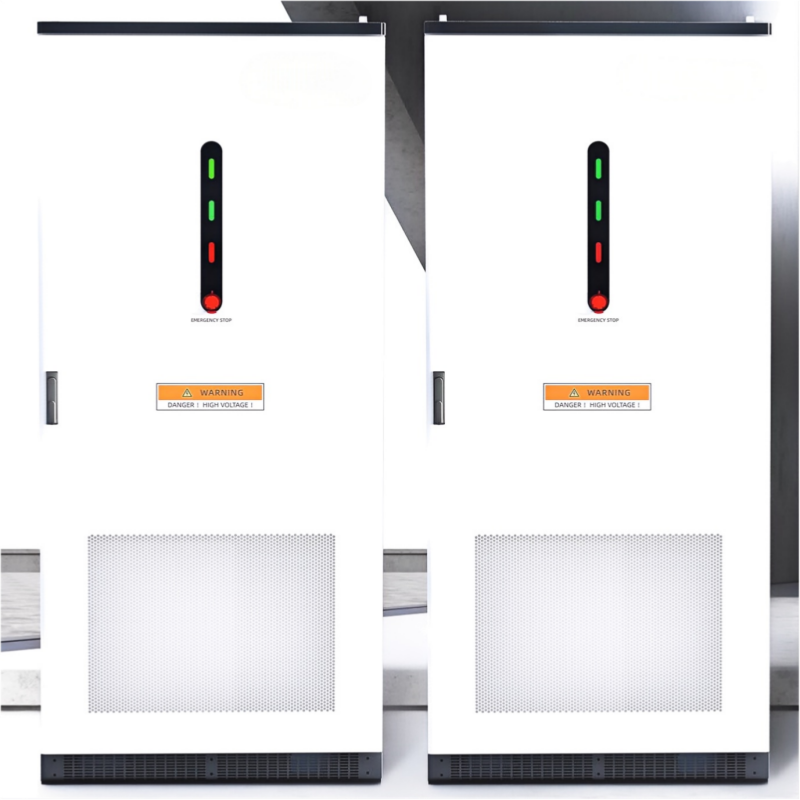
Precise environmental control through advanced indoor horticulture lighting systems revolutionizes crop management by providing unprecedented automation and monitoring capabilities that optimize plant performance while minimizing labor requirements. Modern systems integrate seamlessly with comprehensive environmental control platforms, creating intelligent growing environments that respond dynamically to plant needs and external conditions. Sophisticated sensors continuously monitor light intensity, spectrum distribution, temperature, humidity, and carbon dioxide levels, feeding data to central controllers that automatically adjust lighting parameters to maintain ideal conditions. This closed-loop control eliminates human error and ensures consistency across multiple growing cycles, producing uniform crops with predictable characteristics that meet strict commercial specifications. Programmable lighting schedules replicate natural photoperiods or create custom day-length regimes that manipulate plant development according to production goals. You can implement dawn and dusk simulations with gradual intensity changes that reduce plant stress, or create extended photoperiods that accelerate growth in light-responsive species. Automated dimming responds to natural sunlight availability in greenhouse applications, supplementing only when needed to maintain target light levels while minimizing energy consumption. Remote monitoring and control through cloud-based platforms enable management from anywhere using smartphones, tablets, or computers, providing real-time alerts for equipment malfunctions, parameter deviations, or maintenance requirements. This connectivity supports multi-site operations where centralized teams oversee numerous growing facilities without physical presence at each location. Data logging capabilities track every environmental parameter throughout crop cycles, creating valuable datasets that inform continuous improvement efforts and support regulatory compliance documentation. Machine learning algorithms analyze historical performance data to identify optimal settings for specific cultivars and growing conditions, automatically refining control strategies over time. Integration with irrigation systems, nutrient delivery equipment, and climate control infrastructure creates holistic automation that manages entire growing environments through unified interfaces. This systems approach reduces labor costs by eliminating manual adjustments while improving crop outcomes through precision that exceeds human capabilities. The technology enables implementation of advanced cultivation techniques like photoperiod manipulation for flowering control, light stress treatments that enhance secondary metabolite production, and spectral recipes that modify plant architecture. Automated indoor horticulture lighting supports scalability, allowing operations to expand production without proportional increases in management complexity or staffing requirements. The precise control facilitates research and development activities, enabling controlled experiments that isolate specific variables and accelerate variety trials. Quality assurance improves as consistent environmental conditions produce crops with minimal variation, reducing sorting and grading labor while increasing marketable yield percentages. The integration capabilities future-proof growing operations, allowing adoption of emerging technologies and cultivation methods as they become available without replacing entire systems.