Premium LED Lights for Growing - Energy-Efficient Indoor Plant Cultivation Solutions

All Categories

led lights for growing

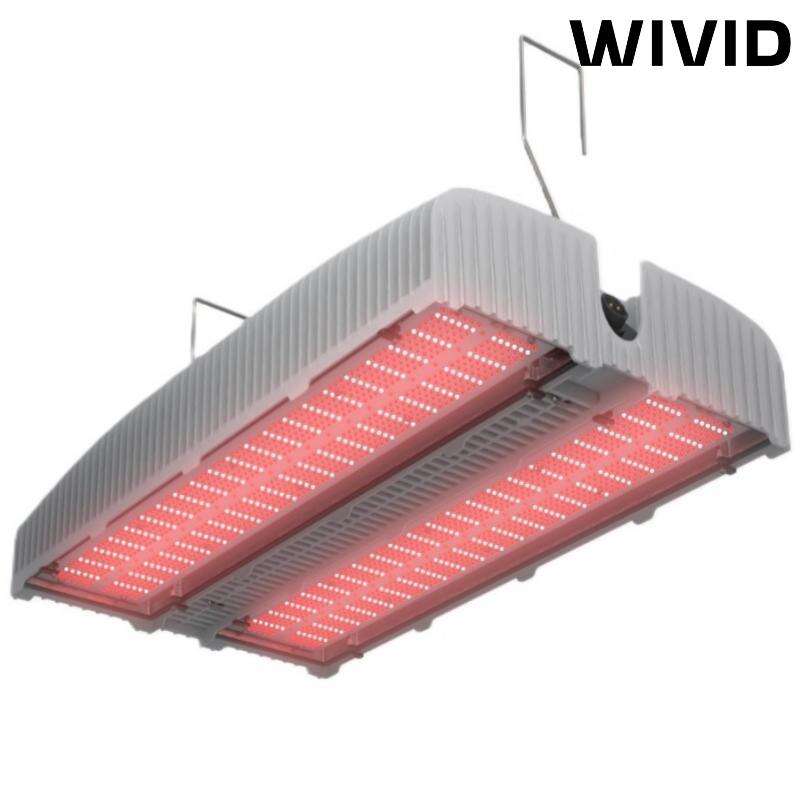
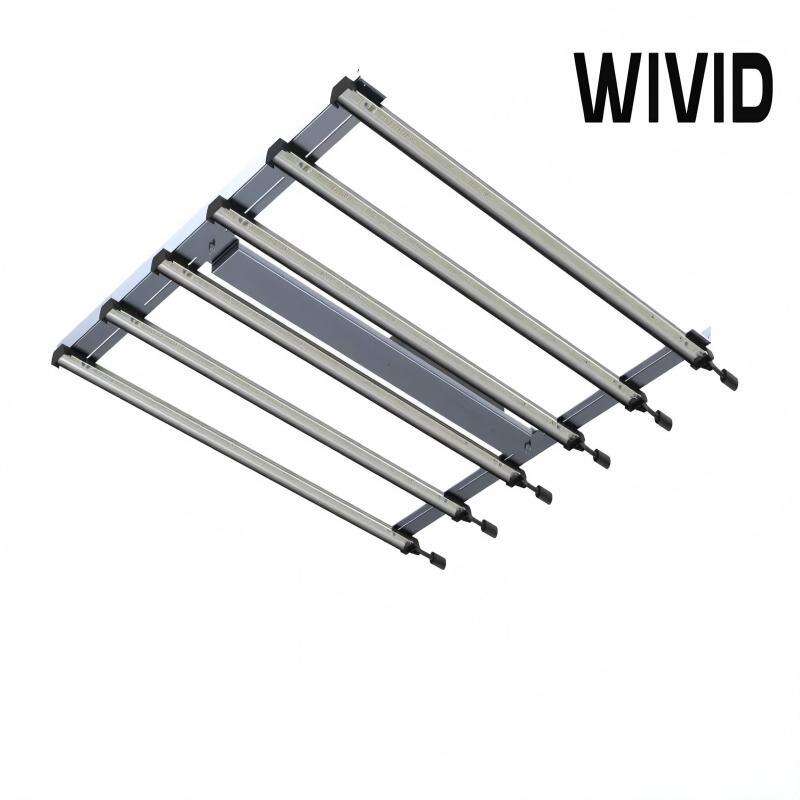
LED lights for growing represent a revolutionary advancement in indoor cultivation technology, transforming how plants receive the light energy they need for photosynthesis and healthy development. These specialized lighting systems utilize light-emitting diodes engineered to produce specific wavelengths that plants absorb most efficiently during different growth stages. Unlike traditional lighting solutions such as high-pressure sodium or metal halide lamps, LED grow lights deliver targeted light spectrums that maximize photosynthetic activity while minimizing wasted energy. Modern LED lights for growing incorporate advanced chip technology that allows growers to customize light output according to plant species, growth phase, and desired outcomes. The primary function of these systems centers on providing optimal photosynthetically active radiation, which plants convert into chemical energy for growth, flowering, and fruiting. Technological features include full-spectrum capabilities that mimic natural sunlight, adjustable intensity controls, and programmable timers that automate light cycles. Many systems offer separate channels for different light colors, enabling growers to emphasize blue wavelengths during vegetative growth or red wavelengths during flowering periods. Heat management represents another critical technological advancement, with LED lights for growing producing significantly less thermal output than conventional options, reducing cooling requirements and allowing closer placement to plant canopies. Applications span commercial agriculture, home gardening, vertical farming operations, research facilities, and greenhouse supplementation. Commercial growers utilize these systems to maintain year-round production regardless of external weather conditions, while hobbyists appreciate the ability to cultivate herbs, vegetables, and ornamental plants indoors. Research institutions employ LED lights for growing to conduct controlled experiments on plant responses to specific light conditions. The technology proves particularly valuable in urban farming initiatives where space limitations demand efficient vertical growing arrangements. Energy efficiency stands as a defining characteristic, with LED systems converting a higher percentage of electrical input into usable light compared to traditional alternatives, resulting in lower operational costs and reduced environmental impact over the system's lifespan.

New Product Releases

The advantages of LED lights for growing extend far beyond simple illumination, offering growers tangible benefits that directly impact plant health, yield quality, and operational efficiency. Energy consumption drops dramatically when switching to LED technology, with these systems using approximately 50 to 70 percent less electricity than traditional grow lights while producing equivalent or superior results. This reduction translates into substantial cost savings over time, particularly for commercial operations running lights for extended periods. The lower power draw also reduces strain on electrical infrastructure, allowing growers to expand operations without expensive electrical upgrades. Heat generation poses minimal concerns with LED lights for growing, as these units remain cool to the touch even after hours of operation. This characteristic eliminates the need for elaborate cooling systems that traditional lights require, further reducing energy costs and simplifying environmental control. Growers can position LED lights for growing much closer to plant canopies without risking heat damage, maximizing light absorption and promoting compact, sturdy growth patterns. The extended lifespan of LED components provides another significant advantage, with quality units operating effectively for 50,000 hours or more before requiring replacement. This longevity means fewer interruptions for maintenance, reduced replacement costs, and consistent light output over many growing cycles. Spectrum customization capabilities empower growers to fine-tune light conditions for specific plant requirements, enhancing growth rates during vegetative stages and improving flower and fruit production during reproductive phases. Plants respond positively to this targeted approach, developing stronger root systems, thicker stems, and more abundant harvests. The absence of harmful ultraviolet radiation and reduced infrared output creates safer working environments for growers while protecting sensitive plant tissues. LED lights for growing produce directional light that focuses energy where plants need it most, unlike omnidirectional traditional bulbs that waste significant output. This efficiency means more photons reach leaf surfaces, driving photosynthesis more effectively. Installation simplicity represents another practical benefit, with most LED systems featuring plug-and-play designs that require no special ballasts or complex wiring. Growers can quickly set up new growing spaces or reconfigure existing ones without specialized electrical knowledge. Environmental benefits align with growing consumer demand for sustainable practices, as LED lights for growing contain no mercury or toxic gases, produce less carbon emissions through reduced energy consumption, and generate minimal light pollution. The precise control these systems offer allows growers to manipulate plant characteristics, accelerate growth cycles, and produce crops with enhanced nutritional profiles or desired aesthetic qualities, opening new possibilities for specialized cultivation.

Practical Tips

Energy Savings and Spectral Precision

14

Jan

Energy Savings and Spectral Precision

Discover how horticultural LED lighting cuts energy use by up to 50% while boosting plant growth with optimized spectra. Reduce TCO and enhance sustainability. Learn more today.
View More
Introduction to Photosynthetically Active Radiation (PAR)

14

Jan

Introduction to Photosynthetically Active Radiation (PAR)

Discover how Photosynthetically Active Radiation (PAR) boosts photosynthesis, growth, and yields. Learn to optimize LED lighting for energy efficiency and crop quality. Read more.
View More
Comprehensive Light Planning in Controlled Environment Agriculture

12

Mar

Comprehensive Light Planning in Controlled Environment Agriculture

Maximize crop yield with precise PPFD planning. Discover how 3D light simulations improve uniformity, reduce waste, and boost photosynthesis. Get your free lighting guide.
View More
The Grow Light Spectrum

15

Jan

The Grow Light Spectrum

Maximize photosynthetic efficiency and yields with science-backed grow light spectra. Discover how blue, red, and full-spectrum lighting affect plant growth. Learn more.
View More

Get a Free Quote

Our representative will contact you soon.
Email
Mobile
Country/Region
Name
Message
0/1000

led lights for growing

Precision Spectrum Control for Optimized Plant Development

Precision Spectrum Control for Optimized Plant Development

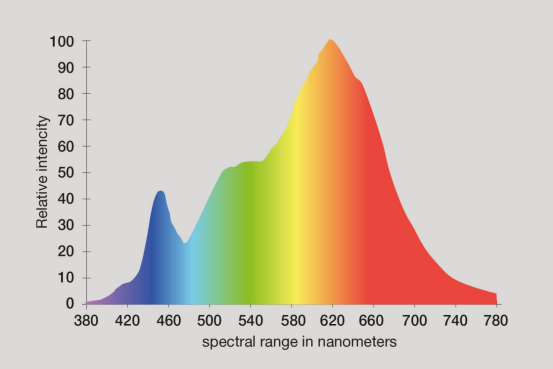
LED lights for growing deliver unprecedented control over light spectrum composition, allowing growers to provide exactly the wavelengths plants utilize most efficiently at each developmental stage. This precision stems from the fundamental design of LED technology, where individual diodes emit specific colors of light that can be combined in countless configurations. Plants primarily absorb light in the blue spectrum, ranging from 400 to 500 nanometers, and the red spectrum, spanning 600 to 700 nanometers, with each range serving distinct physiological functions. Blue wavelengths promote vegetative growth, encouraging compact plant structure, strong stem development, and dense foliage formation. Red wavelengths trigger flowering responses, enhance fruit production, and influence plant stretching and internode spacing. Advanced LED lights for growing incorporate multiple diode types that growers can adjust independently, creating custom light recipes tailored to specific crops or growth objectives. This capability proves invaluable when cultivating diverse plant species with varying light preferences within the same growing space. Leafy greens thrive under blue-heavy spectrums that promote leaf expansion and chlorophyll production, while fruiting plants like tomatoes and peppers benefit from increased red wavelengths during reproductive phases. Some sophisticated LED systems include far-red diodes that influence photoperiod responses and can accelerate flowering in certain species. White light diodes provide balanced full-spectrum output that supports general growth while making visual plant inspection easier for growers monitoring health and development. The ability to program light schedules and intensity levels throughout the day mimics natural sunrise and sunset patterns, reducing plant stress and supporting circadian rhythms that influence metabolic processes. Research demonstrates that plants grown under optimized LED spectrums develop higher concentrations of beneficial compounds, including vitamins, antioxidants, and essential oils, enhancing both nutritional value and market appeal. Commercial growers leverage this technology to differentiate their products, producing premium crops with superior flavor profiles, extended shelf life, and enhanced visual characteristics. The spectrum control offered by LED lights for growing also enables year-round production of photoperiod-sensitive plants by manipulating day length artificially, eliminating seasonal limitations that restrict traditional outdoor cultivation. This flexibility allows growers to respond quickly to market demands, scheduling harvests to coincide with peak pricing periods or special events. Energy efficiency improves further when growers activate only the spectrum channels plants actively use, avoiding wasted output in wavelengths that contribute minimally to photosynthesis.
Superior Energy Efficiency and Operational Cost Reduction

Superior Energy Efficiency and Operational Cost Reduction

The exceptional energy efficiency of LED lights for growing fundamentally transforms the economics of indoor cultivation, delivering substantial operational savings that accumulate significantly over time. Traditional grow lights convert only 20 to 30 percent of consumed electricity into usable light, with the remainder dissipating as heat that growers must actively remove through ventilation and air conditioning systems. LED lights for growing achieve conversion efficiencies exceeding 50 percent, with premium models reaching 60 percent or higher, meaning more electrical input becomes photosynthetically active radiation that drives plant growth. This efficiency advantage compounds when considering the reduced cooling requirements, as less heat generation means smaller, less expensive climate control systems operating for fewer hours. A typical 1000-watt high-pressure sodium fixture can be replaced with a 400 to 600-watt LED system producing equivalent photosynthetic photon flux, immediately cutting direct lighting costs by 40 to 60 percent. For commercial operations running hundreds of fixtures for 12 to 18 hours daily, these savings translate into thousands of dollars monthly in reduced electricity bills. The financial benefits extend beyond energy consumption to include reduced infrastructure costs, as lower power requirements mean existing electrical systems can support larger growing operations without expensive upgrades to panels, wiring, or utility service capacity. LED lights for growing generate minimal heat directly at the fixture, allowing growers to position lights inches from plant canopies rather than feet away, maximizing light intensity at leaf surfaces without thermal damage. This proximity placement reduces the total wattage needed to achieve target light levels, creating additional energy savings. The solid-state construction of LED components ensures exceptional longevity, with quality fixtures maintaining 90 percent of initial output after 50,000 operating hours, equivalent to nearly six years of continuous operation or over a decade of typical growing schedules. This durability eliminates frequent bulb replacements that traditional systems require every 6 to 12 months, reducing both material costs and labor expenses associated with maintenance. The consistent light output throughout the LED lifespan ensures plants receive stable growing conditions across multiple cultivation cycles, improving crop uniformity and predictability. Reduced maintenance requirements mean fewer growing interruptions and lower risk of crop damage from unexpected equipment failures. Environmental control becomes simpler and more precise with LED lights for growing, as the minimal heat signature allows HVAC systems to maintain stable temperatures and humidity levels more easily, reducing energy consumption for climate management while creating more consistent growing conditions that optimize plant performance. The lower operating temperatures also extend the lifespan of other growing equipment, including fans, filters, and environmental controllers, by reducing thermal stress on electronic components.

Enhanced Plant Quality and Accelerated Growth Cycles

Enhanced Plant Quality and Accelerated Growth Cycles

LED lights for growing deliver measurable improvements in plant quality, growth rates, and final yields that directly impact grower profitability and product marketability. The targeted spectrum delivery and optimal light intensity these systems provide create ideal photosynthetic conditions that plants exploit for accelerated development and enhanced secondary metabolite production. Plants grown under LED lights for growing consistently demonstrate stronger structural characteristics, including thicker stems, more robust root systems, and denser foliage compared to those cultivated under traditional lighting. This improved vigor results from the efficient conversion of light energy into plant biomass, with minimal energy wasted on stress responses to excessive heat or suboptimal wavelengths. Flowering plants produce more abundant blooms with enhanced color intensity and fragrance when grown under LED spectrums optimized for reproductive development. Fruiting crops yield larger harvests with improved fruit size, sugar content, and nutritional density, commanding premium prices in competitive markets. The precise environmental control LED technology enables allows growers to manipulate plant characteristics deliberately, producing crops tailored to specific market demands or consumer preferences. Leafy greens develop more tender textures and concentrated flavors under customized LED spectrums, while herbs produce higher concentrations of essential oils that enhance culinary and medicinal value. Research confirms that LED lights for growing can reduce crop cycle times by 10 to 30 percent compared to traditional lighting, allowing growers to complete additional production cycles annually and maximize facility utilization. This acceleration stems from the continuous availability of optimal light conditions without the degradation traditional bulbs experience as they age. The ability to extend photoperiods safely without excessive heat buildup enables growers to provide 18 to 24 hours of light during vegetative growth, dramatically accelerating development rates. Seedlings and cuttings establish more quickly under LED lights for growing, developing extensive root systems that support vigorous growth when transplanted. The reduced transplant shock and faster establishment times improve overall crop success rates and reduce losses from failed plantings. Plant health improves measurably under LED cultivation, with reduced incidence of stress-related disorders, improved disease resistance, and enhanced pest tolerance. The absence of heat stress allows plants to allocate more resources to growth and reproduction rather than survival responses, resulting in more productive crops. LED lights for growing support integrated pest management strategies by eliminating the warm, humid microclimates around traditional fixtures where pests and pathogens thrive. The cooler growing environment also reduces plant transpiration rates, decreasing water consumption and irrigation frequency while maintaining optimal hydration levels. Quality control becomes more consistent with LED technology, as the stable light output and precise spectrum control eliminate variables that cause batch-to-batch variation in traditional growing operations.