led grow lights
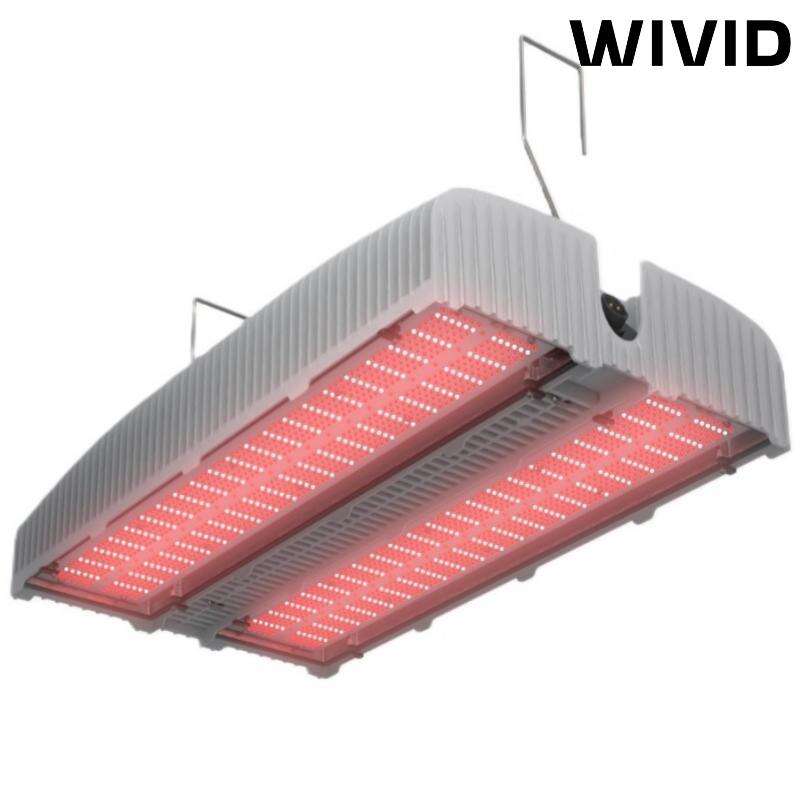
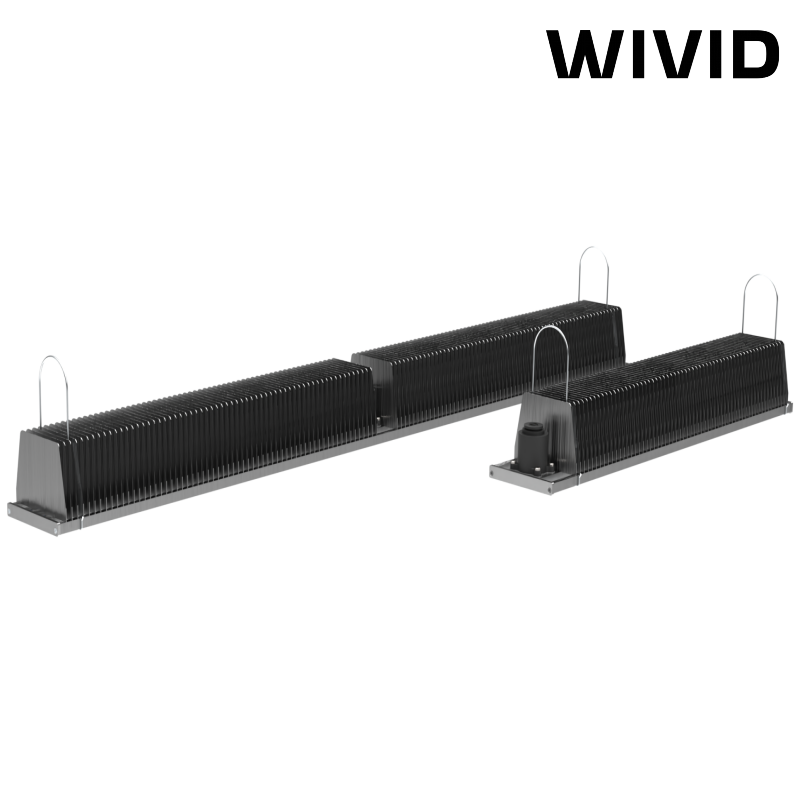
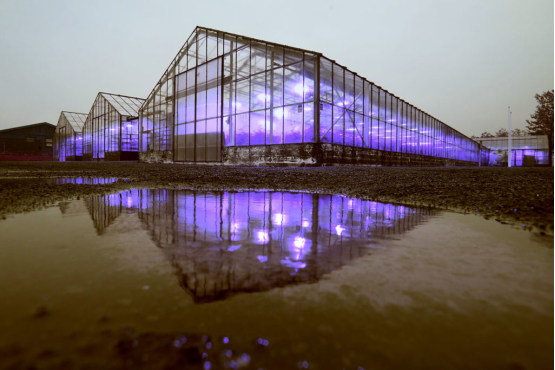
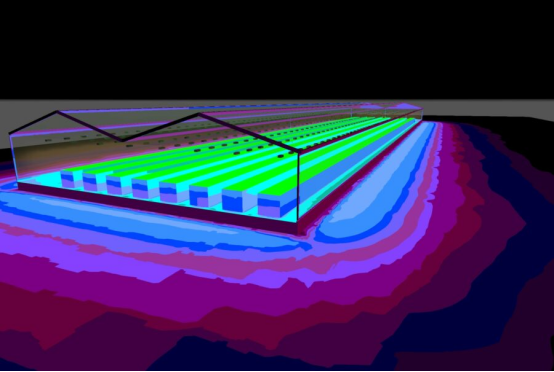
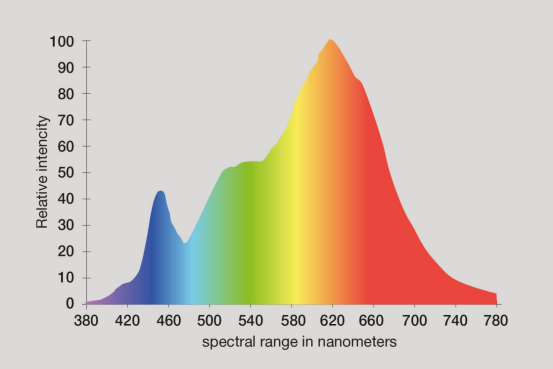
LED grow lights represent a revolutionary advancement in indoor horticulture technology, providing plants with the essential light spectrum they need for optimal photosynthesis and healthy development throughout all growth stages. These sophisticated lighting systems utilize light-emitting diodes to deliver targeted wavelengths that plants actually use, unlike traditional lighting methods that waste energy producing unnecessary spectrums. Modern LED grow lights incorporate advanced engineering to replicate natural sunlight conditions, enabling growers to cultivate plants year-round regardless of outdoor weather conditions or seasonal limitations. The primary function of these illumination systems involves delivering photosynthetically active radiation in precise measurements, allowing cultivators to control intensity, duration, and spectral composition according to specific plant requirements. The technological features embedded within contemporary LED grow lights include full-spectrum capabilities that cover wavelengths from blue light for vegetative growth to red light for flowering and fruiting phases. Many models incorporate programmable timers, dimming functions, and adjustable hanging systems that provide complete environmental control. Heat management technology represents another critical component, as these devices generate significantly less thermal output compared to high-intensity discharge lamps, reducing the need for extensive cooling infrastructure. The applications for LED grow lights span numerous sectors including commercial agriculture, home gardening, vertical farming operations, greenhouse supplementation, research laboratories, and medicinal plant cultivation. Professional growers utilize these systems in large-scale operations to maximize yields and crop quality, while hobbyists appreciate their compact design and user-friendly operation for small indoor gardens. The versatility of LED grow lights makes them suitable for growing vegetables, herbs, flowers, succulents, seedlings, and various specialty crops. These lighting solutions have transformed urban farming initiatives by making it feasible to produce fresh food in spaces where traditional agriculture would be impossible, contributing to local food security and reducing transportation environmental impact.

 EN
EN