Extended Lifespan Delivering Long-Term Reliability and Value
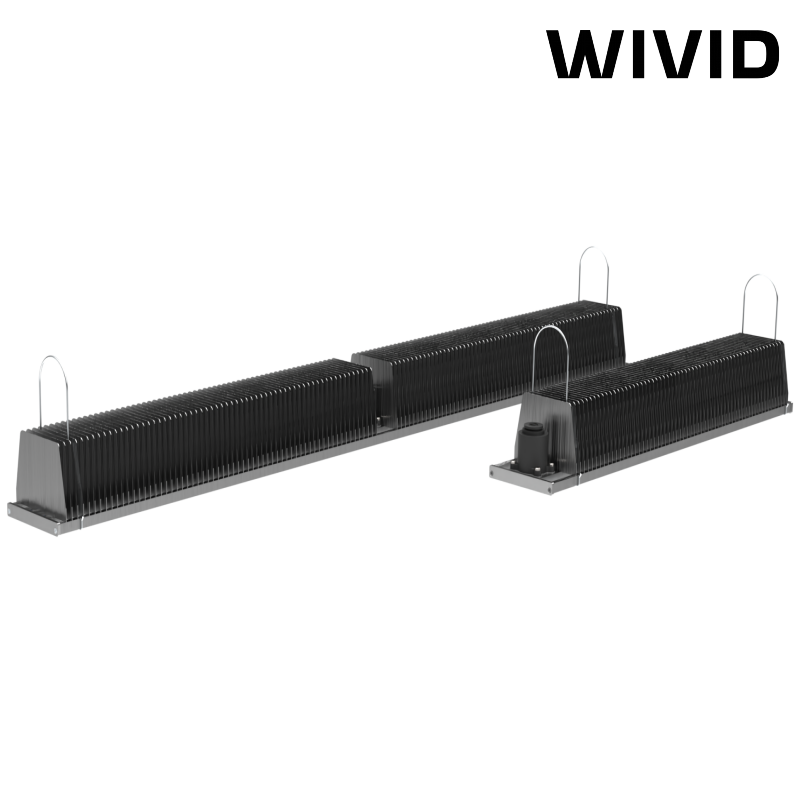
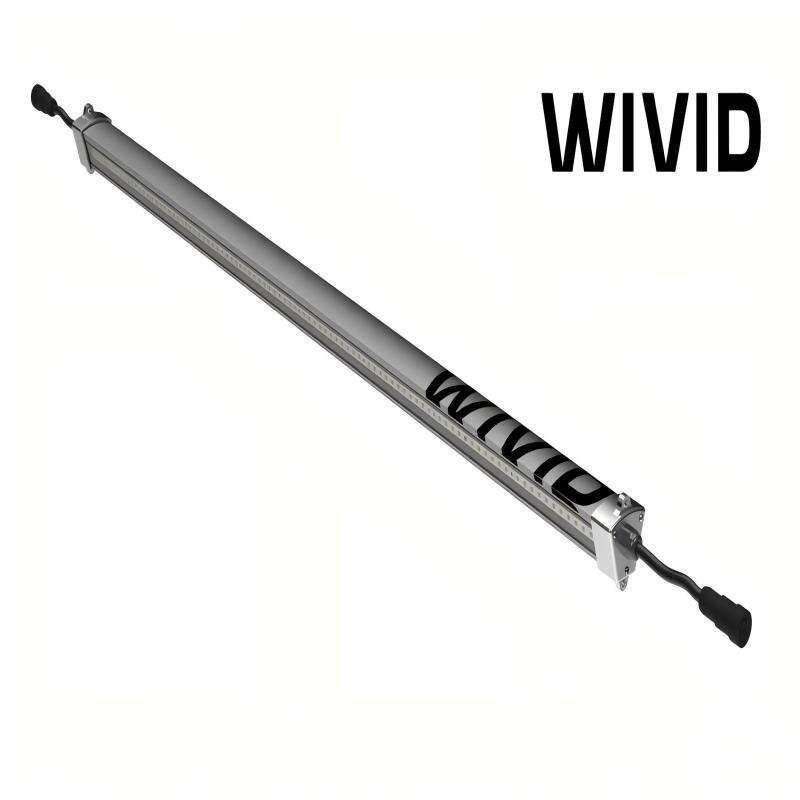
The extended operational lifespan of low power consumption grow lights delivers extraordinary long-term reliability and value that fundamentally changes equipment lifecycle planning and maintenance budgeting. These advanced lighting systems routinely provide fifty thousand to one hundred thousand hours of functional illumination, representing a dramatic improvement over traditional horticultural lighting options. High-pressure sodium bulbs typically last ten thousand to fifteen thousand hours, while metal halide lamps achieve even shorter lifespans of six thousand to ten thousand hours before requiring replacement. This longevity advantage means a single low power consumption grow light can outlast five to ten conventional bulbs, eliminating repetitive replacement cycles that consume time and resources. The practical implications extend far beyond simple replacement frequency. Each bulb change requires labor for removal, disposal of spent lamps, acquisition of replacements, and installation of new units. For commercial operations with dozens or hundreds of lights, this maintenance burden represents significant ongoing costs in staff time and replacement inventory. A low power consumption grow light eliminates these recurring expenses for years, allowing maintenance personnel to focus on more productive tasks while reducing inventory carrying costs for spare bulbs. The extended lifespan also provides performance stability throughout the operational period. Traditional bulbs experience gradual degradation in light output as they age, with high-intensity discharge lamps losing twenty to thirty percent of initial intensity by end of life. This degradation forces growers to replace bulbs before complete failure to maintain adequate light levels, further increasing replacement frequency. Quality low power consumption grow lights maintain consistent output throughout their lifespan, ensuring plants receive uniform lighting from installation through eventual replacement. This consistency eliminates the guesswork about when lights need changing and prevents gradual yield declines from insufficient illumination as bulbs age. The durability of solid-state LED construction contributes to this longevity, with no fragile filaments to break or electrodes to erode. Low power consumption grow lights withstand vibrations, temperature fluctuations, and frequent power cycling without impact on lifespan, unlike traditional technologies where frequent switching dramatically shortens bulb life. This resilience proves particularly valuable in automated grow rooms with sophisticated environmental controls that power lights on and off according to programmed schedules. The financial return on investment becomes compelling when calculating total cost of ownership rather than just initial purchase price. While low power consumption grow lights may carry higher upfront costs than traditional fixtures, the combination of extended lifespan, reduced replacement frequency, lower energy consumption, and decreased maintenance labor typically generates positive return within one to two years, after which the ongoing savings represent pure economic benefit for the remaining operational life.

 EN
EN