Exceptional Energy Efficiency That Directly Reduces Operating Costs
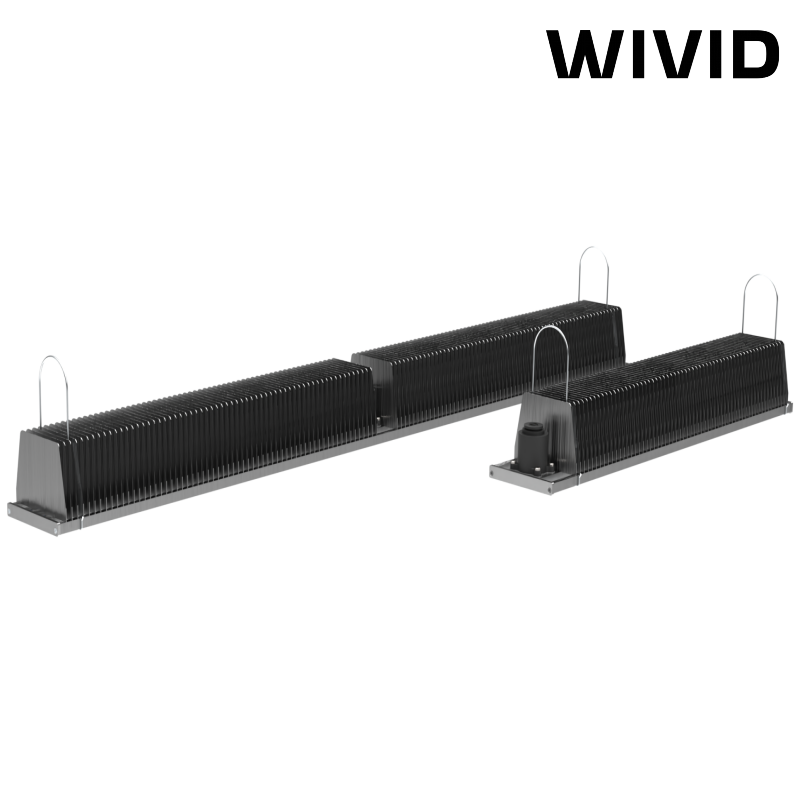
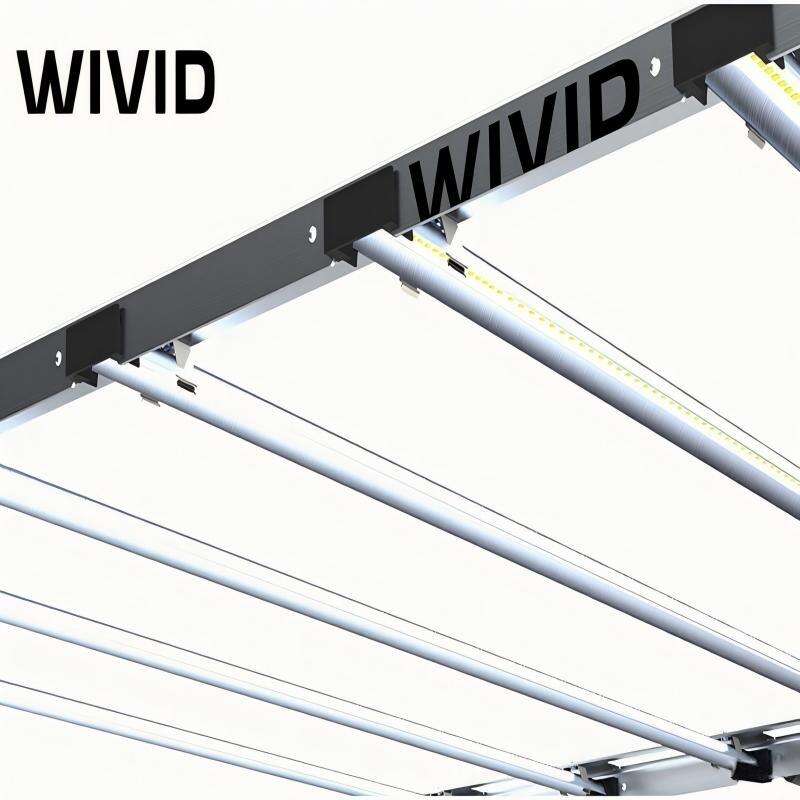
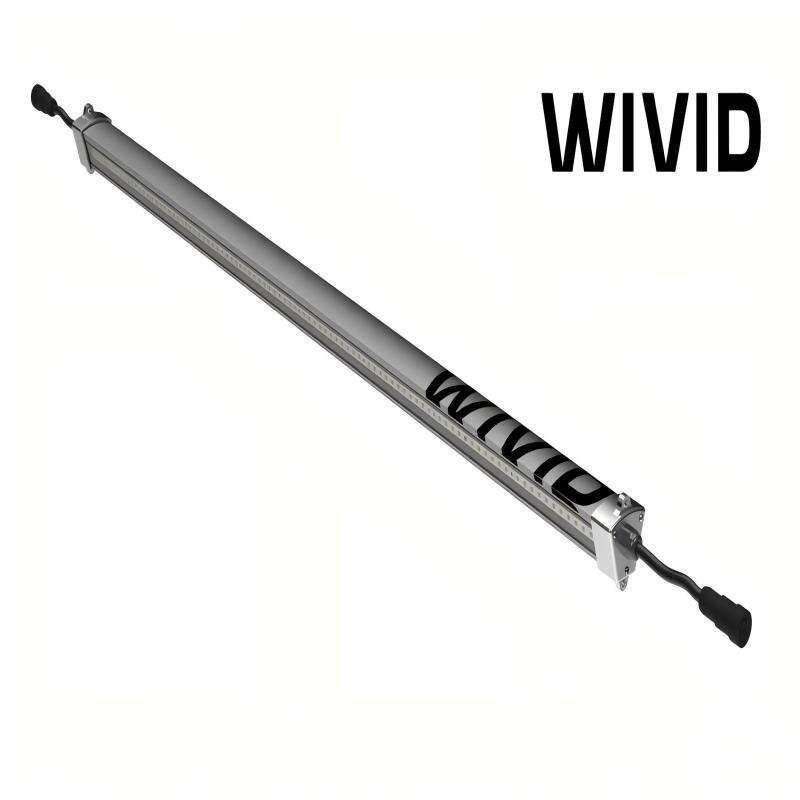
The exceptional energy efficiency of low energy LED grow lights stands as their most compelling feature, fundamentally transforming the economics of indoor cultivation for growers at every scale. This efficiency stems from the fundamental physics of LED technology, which directly converts electrical energy into photons without the intermediate heat generation inherent in incandescent or fluorescent technologies. When you examine the performance metrics, the advantages become immediately apparent. Traditional high-pressure sodium lighting systems, long considered the industry standard for commercial growing, typically consume between 600 to 1,000 watts per fixture while converting only about 30 percent of that energy into usable light for plants, with the remainder dissipating as heat. In stark contrast, comparable low energy LED grow lights deliver equivalent photosynthetically active radiation while drawing just 250 to 400 watts from your electrical supply, representing power savings approaching 60 percent. Over the course of a typical growing season, these savings accumulate substantially. Consider a medium-sized commercial operation utilizing fifty fixtures operating twelve hours daily throughout a year. With traditional lighting consuming 50,000 watts combined, annual electricity usage reaches approximately 219,000 kilowatt-hours. At average commercial electricity rates, this translates to substantial annual costs. Replacing those systems with low energy LED grow lights reduces consumption to approximately 87,600 kilowatt-hours annually, cutting electricity expenses by roughly 60 percent and delivering savings that often exceed the initial equipment investment within two to three years. Beyond direct electricity savings, the reduced power requirements create additional financial benefits. Lower electrical loads mean you can potentially operate more fixtures on existing electrical infrastructure without expensive service upgrades, panel replacements, or additional circuit installations. For home growers, this efficiency means you can maintain productive indoor gardens without anxiety about electricity bills or concerns about drawing attention through unusual power consumption patterns. The efficiency advantages extend beyond simple wattage comparisons because low energy LED grow lights deliver superior photon efficiency, measured in micromoles per joule. Modern systems achieve ratings exceeding 2.7 micromoles per joule, meaning every watt of electricity produces more useful light for photosynthesis compared to alternative technologies. This photon efficiency directly correlates with plant growth potential, allowing you to achieve better results with less energy input, ultimately improving your return on investment whether you measure success in harvested vegetables, beautiful flowers, or commercial crop yields.

 EN
EN