Flexible Deployment Options for Diverse Applications
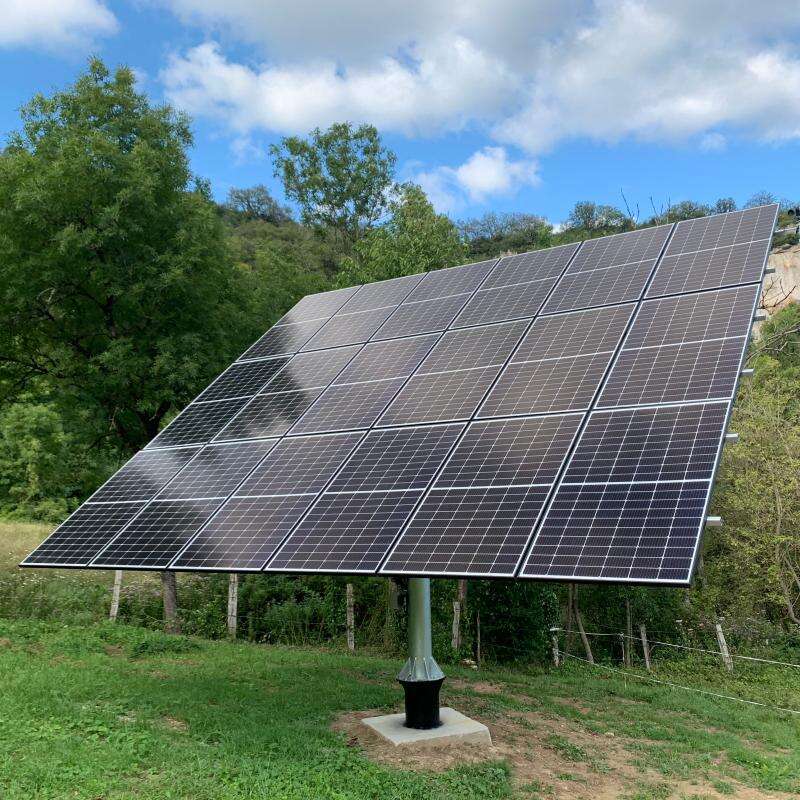
The battery based energy storage system adapts to virtually any application through modular designs and configurable architectures that scale from small residential units to massive utility installations, providing appropriate solutions across the complete spectrum of energy storage needs. Residential systems typically range from 5 to 20 kilowatt-hours, sized to cover evening consumption and provide backup power for essential loads during outages. These compact battery based energy storage system units mount on walls or install in garages, requiring minimal space while delivering substantial benefits. Homeowners customize capacity based on solar array size, consumption patterns, and backup requirements, with expansion options available as needs grow. Commercial installations scale from tens to hundreds of kilowatt-hours, supporting businesses ranging from small retail stores to large office buildings and manufacturing facilities. The battery based energy storage system integrates with existing electrical infrastructure, often requiring only minor modifications to accommodate the new equipment. Multiple units combine to meet larger capacity requirements, with centralized control systems coordinating operation across the entire array. Industrial applications demand even greater capacity and power output, with battery based energy storage system installations reaching megawatt-hour scale to support heavy machinery, process equipment, and facility-wide backup requirements. These systems provide ride-through power during brief interruptions and extended backup during prolonged outages, preventing costly production losses. Utility-scale deployments represent the largest battery based energy storage system installations, with hundreds of megawatt-hours supporting grid operations, renewable integration, and capacity services. These massive arrays occupy dedicated facilities with sophisticated cooling, fire suppression, and monitoring systems, operating as virtual power plants that respond to grid signals in milliseconds. Microgrid applications combine generation, storage, and loads into self-sufficient systems that operate independently or in parallel with the main grid. The battery based energy storage system provides the flexibility that makes microgrids viable, balancing variable renewable generation with fluctuating demand. Mobile applications mount battery based energy storage system technology on trailers or in shipping containers, providing temporary power for events, construction sites, or emergency response situations. These portable units deploy rapidly wherever needed, offering clean, quiet power without the emissions and noise of diesel generators. Behind-the-meter installations serve individual customers, while front-of-meter systems connect directly to transmission networks, providing grid services and wholesale market participation. The battery based energy storage system accommodates AC or DC coupling with solar arrays, optimizing efficiency based on specific project requirements. Retrofit applications add storage to existing solar installations, while integrated systems combine generation and storage from initial design. This flexibility ensures appropriate solutions exist for every application, making battery based energy storage system technology accessible and beneficial across residential, commercial, industrial, and utility sectors, driving adoption and accelerating the global energy transition.

 EN
EN