Commercial and Industrial Energy Storage Solutions - Reduce Costs and Boost Reliability

All Categories

commercial and industrial energy storage

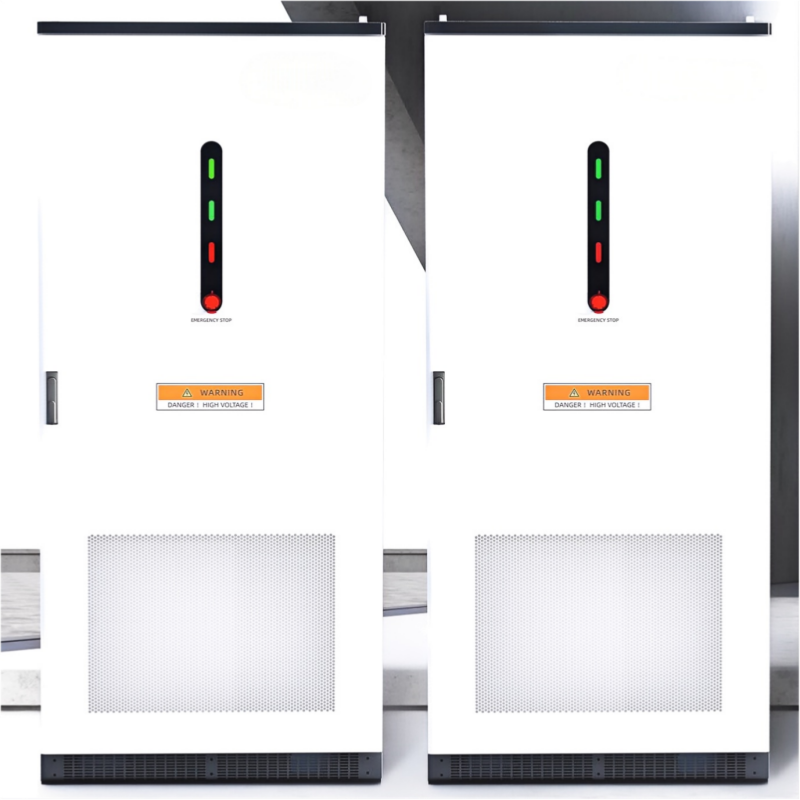
Commercial and industrial energy storage represents a transformative solution for businesses seeking to optimize their power management and reduce operational costs. This advanced technology enables companies to store electrical energy during off-peak hours when rates are lower and discharge it during peak demand periods when electricity prices surge. The main functions of commercial and industrial energy storage include load shifting, demand charge reduction, backup power provision, and integration with renewable energy sources. By capturing excess electricity and making it available when needed most, these systems provide unprecedented control over energy consumption patterns. The technological features of modern commercial and industrial energy storage solutions encompass sophisticated battery management systems, intelligent software algorithms, and scalable configurations that adapt to diverse business requirements. Lithium-ion batteries dominate the market due to their high energy density, long cycle life, and declining costs, though alternative technologies like flow batteries and sodium-ion systems are gaining traction for specific applications. These systems integrate seamlessly with existing electrical infrastructure and can be monitored remotely through cloud-based platforms that provide real-time performance data and predictive maintenance alerts. Applications span numerous sectors including manufacturing facilities, shopping centers, office buildings, warehouses, agricultural operations, and data centers. Manufacturing plants utilize commercial and industrial energy storage to smooth power fluctuations from heavy machinery and maintain production continuity during grid outages. Retail establishments benefit from reduced demand charges and enhanced resilience against power interruptions that could otherwise result in lost revenue. The versatility of commercial and industrial energy storage makes it an essential component of modern energy infrastructure, supporting both economic objectives and sustainability goals while providing tangible returns on investment through multiple value streams.

New Product Releases

The advantages of commercial and industrial energy storage extend far beyond simple cost savings, offering businesses a comprehensive toolkit for energy management and operational excellence. First and foremost, these systems deliver substantial financial benefits by reducing electricity bills through strategic energy arbitrage. When your business stores power during nighttime or weekend hours when rates are lowest, then uses that stored energy during expensive peak periods, the savings accumulate rapidly and predictably. Many businesses report reducing their energy costs by twenty to forty percent within the first year of implementation. Another significant financial advantage comes from demand charge reduction. Most utility companies charge commercial customers not just for total energy consumed but also for their highest power draw during billing periods. Commercial and industrial energy storage systems intelligently limit these peak demands by supplementing grid power with stored energy, effectively capping the maximum draw and slashing demand charges that often represent the largest portion of commercial electricity bills. Beyond economics, these systems provide invaluable operational resilience. When grid outages occur due to storms, equipment failures, or maintenance activities, your business continues operating seamlessly with backup power from your storage system. This uninterrupted operation protects against lost productivity, spoiled inventory, and dissatisfied customers who might otherwise take their business elsewhere. For businesses with critical operations like data centers or healthcare facilities, this reliability becomes absolutely essential. Environmental benefits represent another compelling advantage as commercial and industrial energy storage facilitates greater integration of solar panels and other renewable energy sources. By storing excess solar generation during sunny periods, businesses can use clean energy even after sunset, dramatically reducing their carbon footprint and demonstrating environmental leadership to customers and stakeholders. The systems also provide grid services, helping stabilize the broader electrical network and potentially generating additional revenue streams through participation in demand response programs. Installation and operation remain straightforward, with professional providers handling the technical complexities while businesses simply enjoy the benefits. Modern systems require minimal maintenance, operate quietly, and can be installed indoors or outdoors depending on space availability. The modular nature of commercial and industrial energy storage means businesses can start with a system sized for current needs and expand capacity as operations grow, protecting the initial investment while maintaining flexibility for future requirements. These advantages combine to create a compelling value proposition that improves both bottom-line profitability and operational sustainability.

Latest News

Energy Savings and Spectral Precision

14

Jan

Energy Savings and Spectral Precision

Discover how horticultural LED lighting cuts energy use by up to 50% while boosting plant growth with optimized spectra. Reduce TCO and enhance sustainability. Learn more today.
View More
Introduction to Photosynthetically Active Radiation (PAR)

14

Jan

Introduction to Photosynthetically Active Radiation (PAR)

Discover how Photosynthetically Active Radiation (PAR) boosts photosynthesis, growth, and yields. Learn to optimize LED lighting for energy efficiency and crop quality. Read more.
View More
Comprehensive Light Planning in Controlled Environment Agriculture

12

Mar

Comprehensive Light Planning in Controlled Environment Agriculture

Maximize crop yield with precise PPFD planning. Discover how 3D light simulations improve uniformity, reduce waste, and boost photosynthesis. Get your free lighting guide.
View More
The Grow Light Spectrum

15

Jan

The Grow Light Spectrum

Maximize photosynthetic efficiency and yields with science-backed grow light spectra. Discover how blue, red, and full-spectrum lighting affect plant growth. Learn more.
View More

Get a Free Quote

Our representative will contact you soon.
Email
Mobile
Country/Region
Name
Message
0/1000

commercial and industrial energy storage

Dramatic Reduction in Energy Expenses Through Intelligent Power Management

Dramatic Reduction in Energy Expenses Through Intelligent Power Management

Commercial and industrial energy storage delivers transformative cost savings by fundamentally changing how businesses purchase and consume electricity. Traditional energy consumption patterns force companies to pay premium prices during peak business hours when electricity demand across the grid reaches its highest levels and utility rates spike accordingly. This creates a frustrating situation where businesses must choose between paying exorbitant energy costs or curtailing operations during their most productive hours. Commercial and industrial energy storage eliminates this dilemma by enabling time-shifting of energy consumption. The system automatically charges during off-peak periods, typically overnight or during weekends, when wholesale electricity prices drop to their lowest levels. During expensive peak hours, your facility draws from the stored energy reserve rather than purchasing power at premium rates from the utility. This arbitrage strategy generates immediate and ongoing savings that compound over the system's operational lifetime. Beyond simple time-of-use optimization, commercial and industrial energy storage addresses the often-overlooked issue of demand charges that can constitute fifty percent or more of commercial electricity bills. Utilities assess these charges based on the highest fifteen or thirty-minute power demand recorded during each billing cycle. Even a single brief spike in power consumption can result in elevated charges for an entire month. The storage system acts as a buffer, supplementing grid power during high-demand moments to keep the recorded peak below threshold levels. This peak shaving functionality delivers predictable savings month after month. Financial modeling for typical commercial installations shows payback periods ranging from three to seven years depending on local electricity rates, available incentives, and usage patterns, with systems continuing to generate savings for fifteen years or longer. The return on investment becomes even more attractive when considering available tax incentives, rebates, and accelerated depreciation schedules that many jurisdictions offer for energy storage projects. Businesses also gain protection against future rate increases, effectively locking in lower energy costs even as utility prices continue their upward trajectory. The intelligent software managing commercial and industrial energy storage continuously optimizes performance based on electricity rate structures, weather forecasts, and historical consumption patterns, ensuring maximum financial benefit without requiring ongoing attention from facility managers.
Uninterrupted Operations and Enhanced Business Continuity

Uninterrupted Operations and Enhanced Business Continuity

Reliability stands as a cornerstone advantage of commercial and industrial energy storage, providing businesses with robust protection against the costly disruptions caused by power outages and grid instability. Modern commerce operates with minimal tolerance for electrical interruptions, yet grid infrastructure faces increasing stress from aging equipment, extreme weather events, and growing demand. When power fails, the consequences extend far beyond inconvenience, resulting in halted production lines, corrupted data, spoiled inventory, missed deadlines, and frustrated customers who may permanently shift to competitors. Commercial and industrial energy storage transforms your facility into a resilient island of stability capable of maintaining operations when the surrounding grid falters. The system detects power interruptions within milliseconds and seamlessly transitions to battery power so quickly that sensitive electronics never register any disruption. This instantaneous backup capability surpasses traditional generators that require several seconds to start and stabilize, during which time equipment shuts down and processes must restart. For manufacturing operations, those few seconds of downtime can result in damaged materials, recalibration requirements, and hours of lost production. Retail establishments avoid the scenario of darkened stores sending customers away during outages, maintaining sales and protecting brand reputation. The duration of backup power depends on system sizing, but commercial and industrial energy storage installations typically provide several hours of runtime at full facility load, or extended duration if businesses implement load prioritization protocols that maintain only critical systems during prolonged outages. This flexibility allows businesses to choose the resilience level matching their specific risk tolerance and operational requirements. Unlike diesel generators that require fuel deliveries, regular maintenance, produce noise and emissions, and may fail to start after sitting idle, battery-based commercial and industrial energy storage requires minimal upkeep while remaining perpetually ready. The systems undergo regular automated self-testing to ensure reliability, with predictive analytics identifying potential issues before they impact performance. Remote monitoring capabilities provide facility managers with complete visibility into system status and backup capacity, enabling informed decisions during grid emergencies. Beyond complete outages, commercial and industrial energy storage protects against voltage sags, frequency fluctuations, and other power quality issues that can damage sensitive equipment or cause mysterious malfunctions in computerized systems, delivering clean, stable electricity that enhances equipment longevity and operational consistency.

Environmental Leadership and Renewable Energy Integration

Environmental Leadership and Renewable Energy Integration

Commercial and industrial energy storage empowers businesses to dramatically reduce their environmental impact while demonstrating corporate responsibility to increasingly eco-conscious customers, employees, and stakeholders. Sustainability has transitioned from optional corporate social responsibility to a fundamental business expectation, with consumers actively favoring environmentally responsible companies and investors incorporating environmental criteria into funding decisions. Installing commercial and industrial energy storage signals genuine commitment to environmental stewardship while delivering measurable reductions in carbon emissions and resource consumption. The most powerful environmental benefit emerges from the synergy between commercial and industrial energy storage and on-site renewable generation, particularly solar panels. Solar installations generate abundant electricity during midday hours but produce nothing overnight or during cloudy periods, creating a mismatch between generation and consumption patterns for most businesses. Without storage, excess solar production flows back to the grid at minimal compensation while the business purchases expensive peak power during morning and evening hours when solar output declines. Commercial and industrial energy storage captures surplus renewable generation and makes it available whenever needed, dramatically increasing the percentage of energy needs met through clean sources. A business with solar panels and storage can achieve seventy to ninety percent renewable energy utilization compared to perhaps thirty percent with solar alone, transforming environmental credentials from modest to exceptional. This renewable integration reduces reliance on fossil-fuel-generated grid electricity, directly decreasing the carbon footprint associated with business operations. Companies can quantify and publicize these emissions reductions, strengthening marketing messages, sustainability reports, and corporate environmental commitments with concrete data. Beyond renewable integration, commercial and industrial energy storage provides environmental benefits through grid support functions. By reducing peak demand, these systems decrease the need for utilities to activate polluting peaker plants, fossil-fuel generators that operate only during highest demand periods and typically represent the dirtiest and least efficient generation sources in the energy mix. Every kilowatt-hour supplied by commercial and industrial energy storage during peak periods potentially displaces electricity that would otherwise come from these high-emission sources. The systems also contribute to grid stability, reducing transmission losses and improving overall electrical system efficiency. As electrical grids incorporate increasing percentages of variable renewable sources like wind and solar, distributed commercial and industrial energy storage helps balance supply and demand, accelerating the broader clean energy transition. Forward-thinking businesses recognize that environmental leadership creates competitive advantages, attracting customers willing to pay premiums for products from responsible companies, improving employee retention among values-driven workers, and positioning the organization favorably as environmental regulations inevitably tighten.