Commercial Energy Storage System Solutions - Reduce Costs & Ensure Power Reliability

All Categories

commercial energy storage system

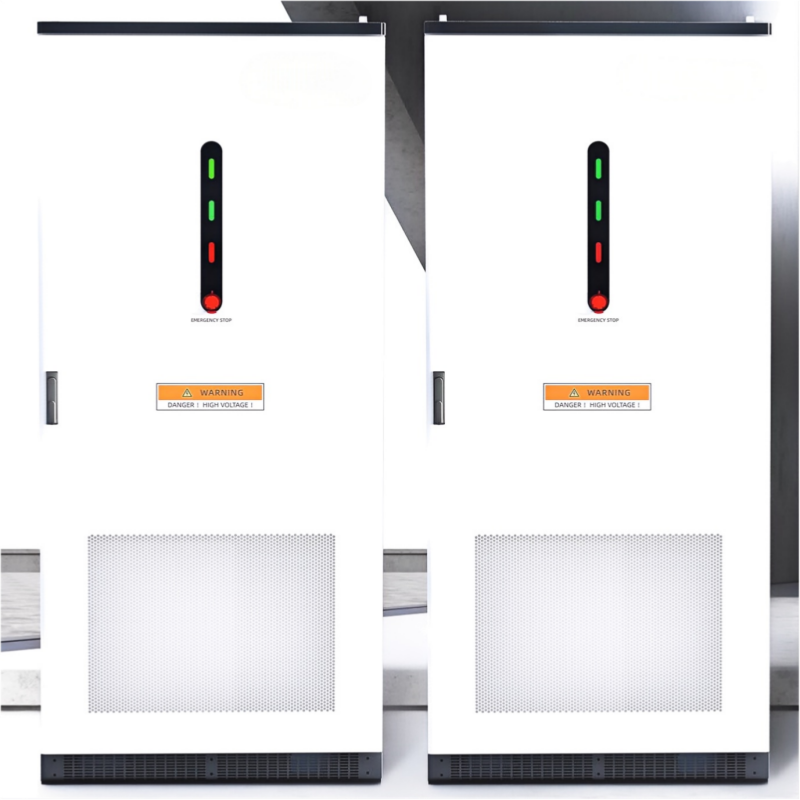
A commercial energy storage system represents a sophisticated power management solution designed to store electrical energy for use during peak demand periods or when primary power sources become unavailable. These systems serve as critical infrastructure for businesses seeking to optimize their energy consumption, reduce operational costs, and enhance power reliability. At its core, a commercial energy storage system captures electricity from the grid or renewable sources during off-peak hours when rates are lower, then releases that stored energy during peak demand times when electricity costs surge. The primary functions include demand charge management, backup power provision, renewable energy integration, and grid stabilization services. Modern commercial energy storage systems utilize advanced battery technologies, most commonly lithium-ion batteries, which offer superior energy density, longer cycle life, and faster response times compared to traditional lead-acid alternatives. The technological architecture integrates sophisticated battery management systems, power conversion equipment, thermal management components, and intelligent control software that monitors performance metrics in real-time. These systems can be configured in various capacities ranging from several hundred kilowatt-hours to multiple megawatt-hours, depending on facility requirements. Applications span diverse commercial sectors including manufacturing facilities, shopping centers, hotels, hospitals, office buildings, and agricultural operations. The systems provide seamless integration with existing electrical infrastructure while maintaining compatibility with solar panels, wind turbines, and other renewable generation assets. Safety features include fire suppression systems, temperature monitoring, and automatic shutdown protocols. The modular design allows for scalable expansion as energy needs grow over time. With increasing electricity costs and growing emphasis on sustainability, commercial energy storage systems have become essential tools for forward-thinking businesses aiming to achieve energy independence, reduce carbon footprints, and maintain competitive advantages in their respective markets.


New Product Releases

Businesses implementing a commercial energy storage system immediately notice substantial reductions in their monthly electricity bills through strategic peak shaving capabilities. The system automatically draws stored energy during expensive peak rate periods, allowing companies to avoid the highest utility charges that typically occur during afternoon and early evening hours. This intelligent load management translates directly into predictable cost savings that improve bottom-line profitability year after year. Beyond simple bill reduction, these systems provide invaluable protection against power outages that could otherwise halt operations and result in lost revenue. When grid failures occur, the commercial energy storage system seamlessly transitions to backup mode, keeping critical equipment running without interruption. This continuity proves especially valuable for businesses that cannot afford downtime, such as data centers, medical facilities, and manufacturing plants with sensitive production processes. The environmental benefits appeal to companies committed to sustainability goals, as these systems maximize the utilization of clean energy from solar and wind installations. By storing excess renewable generation that would otherwise go unused, businesses increase their green energy consumption while decreasing reliance on fossil fuel sources. The positive environmental impact strengthens corporate social responsibility profiles and appeals to environmentally conscious customers and investors. Financial incentives further enhance the value proposition, with many regions offering tax credits, rebates, and accelerated depreciation schedules for commercial energy storage system installations. These programs significantly reduce initial investment costs and shorten payback periods. The systems also create new revenue opportunities through participation in demand response programs, where utilities compensate businesses for reducing grid consumption during peak stress periods. Installation flexibility accommodates various space constraints, with options for indoor, outdoor, rooftop, and ground-level configurations that fit existing facility layouts. Modern systems require minimal maintenance compared to traditional generators, eliminating fuel costs and reducing service requirements. The quiet operation means no noise disruption to employees or neighboring properties. Real-time monitoring capabilities provide facility managers with detailed insights into energy consumption patterns, enabling data-driven decisions about operations optimization. System performance dashboards display exactly how much money saves each day, creating transparency and validating the investment. As electricity rates continue climbing and grid reliability faces increasing challenges, commercial energy storage systems provide businesses with control over their energy destiny, protecting against future uncertainty while delivering immediate operational and financial benefits.

Tips And Tricks

Energy Savings and Spectral Precision

14

Jan

Energy Savings and Spectral Precision

Discover how horticultural LED lighting cuts energy use by up to 50% while boosting plant growth with optimized spectra. Reduce TCO and enhance sustainability. Learn more today.
View More
Introduction to Photosynthetically Active Radiation (PAR)

14

Jan

Introduction to Photosynthetically Active Radiation (PAR)

Discover how Photosynthetically Active Radiation (PAR) boosts photosynthesis, growth, and yields. Learn to optimize LED lighting for energy efficiency and crop quality. Read more.
View More
Comprehensive Light Planning in Controlled Environment Agriculture

12

Mar

Comprehensive Light Planning in Controlled Environment Agriculture

Maximize crop yield with precise PPFD planning. Discover how 3D light simulations improve uniformity, reduce waste, and boost photosynthesis. Get your free lighting guide.
View More
The Grow Light Spectrum

15

Jan

The Grow Light Spectrum

Maximize photosynthetic efficiency and yields with science-backed grow light spectra. Discover how blue, red, and full-spectrum lighting affect plant growth. Learn more.
View More

Get a Free Quote

Our representative will contact you soon.
Email
Mobile
Country/Region
Name
Message
0/1000

commercial energy storage system

Maximum Cost Savings Through Intelligent Peak Demand Management

Maximum Cost Savings Through Intelligent Peak Demand Management

One of the most compelling features of a commercial energy storage system lies in its sophisticated ability to dramatically reduce demand charges that often constitute the largest portion of commercial electricity bills. Utility companies impose these charges based on the highest level of power consumption recorded during any billing period, meaning a single spike in usage can result in elevated costs for an entire month. The commercial energy storage system addresses this expensive problem through advanced algorithms that continuously monitor power consumption patterns and automatically discharge stored energy the moment demand begins climbing toward threshold levels. This intelligent intervention effectively caps peak demand, preventing costly spikes from ever registering on utility meters. For many businesses, demand charges represent thirty to seventy percent of total electricity expenses, making this peak shaving capability extraordinarily valuable. The financial impact becomes even more significant for facilities with variable operations that occasionally require high power draws, such as manufacturing plants running heavy machinery or commercial buildings with large HVAC systems. Rather than paying premium rates based on occasional peak usage, these businesses maintain consistently lower demand profiles through strategic energy storage deployment. The system learns facility consumption patterns over time, becoming increasingly effective at predicting when intervention will deliver maximum savings. Sophisticated forecasting algorithms analyze historical data, weather patterns, occupancy schedules, and production calendars to optimize charging and discharging cycles. This predictive capability ensures the battery maintains sufficient reserves to handle anticipated demand events while maximizing participation in time-of-use arbitrage opportunities. The commercial energy storage system charges during overnight hours when electricity rates drop to their lowest levels, essentially purchasing power at wholesale prices for use during expensive peak periods. This arbitrage strategy compounds savings beyond simple demand charge reduction. Real-time monitoring dashboards provide complete visibility into savings accumulation, displaying exactly how much money the system preserves each day through avoided demand charges and energy arbitrage. Many businesses report return on investment periods of three to seven years, with systems continuing to deliver value for fifteen years or more. The financial predictability proves especially valuable for budget planning, as businesses gain control over previously volatile energy expenses.
Uninterrupted Power Protection for Critical Business Operations

Uninterrupted Power Protection for Critical Business Operations

Business continuity represents a fundamental concern for commercial operations where even brief power interruptions can trigger cascading consequences ranging from lost productivity to damaged equipment and compromised safety. A commercial energy storage system delivers comprehensive protection against these risks through instantaneous backup power capabilities that activate automatically during grid failures. Unlike traditional generators that require precious seconds or minutes to start and transfer load, the commercial energy storage system responds in milliseconds, providing truly seamless transition that prevents any disruption to sensitive electronic equipment, manufacturing processes, or customer-facing operations. This instantaneous response proves crucial for facilities running computers, servers, medical devices, telecommunications equipment, and precision manufacturing machinery that cannot tolerate even momentary power gaps. The reliability extends beyond simple outage protection to include power quality improvement, as the system continuously conditions electricity flowing to critical loads, filtering out voltage sags, surges, and harmonic distortions that degrade equipment performance and shorten operational lifespans. Manufacturing facilities benefit enormously from this protection, avoiding costly production line stoppages that waste materials, delay orders, and frustrate customers. A single extended outage can cost manufacturers tens of thousands of dollars in lost production and overtime expenses required to recover schedules. The commercial energy storage system eliminates these risks while providing cleaner, quieter, and more environmentally friendly backup compared to diesel generators that require fuel storage, produce emissions, generate noise pollution, and demand regular maintenance. Hotels and hospitality businesses maintain guest comfort and safety during outages, protecting their reputations and avoiding negative reviews. Medical and dental offices continue serving patients without interruption, maintaining life-supporting equipment and preserving temperature-sensitive medications and samples. Retail establishments keep point-of-sale systems operational, preventing lost sales and maintaining security systems that protect inventory. Office buildings preserve productivity, preventing work disruption and data loss that occur when computers shut down unexpectedly. The extended runtime capabilities of modern commercial energy storage systems provide hours of backup power, sufficient to bridge typical grid restoration periods or maintain operations until closing time. Facilities can prioritize critical loads, ensuring the most important equipment receives extended protection even during lengthy outages. This selective backup capability optimizes battery capacity utilization while maintaining essential functions.
Seamless Renewable Energy Integration for Sustainability Goals

Seamless Renewable Energy Integration for Sustainability Goals

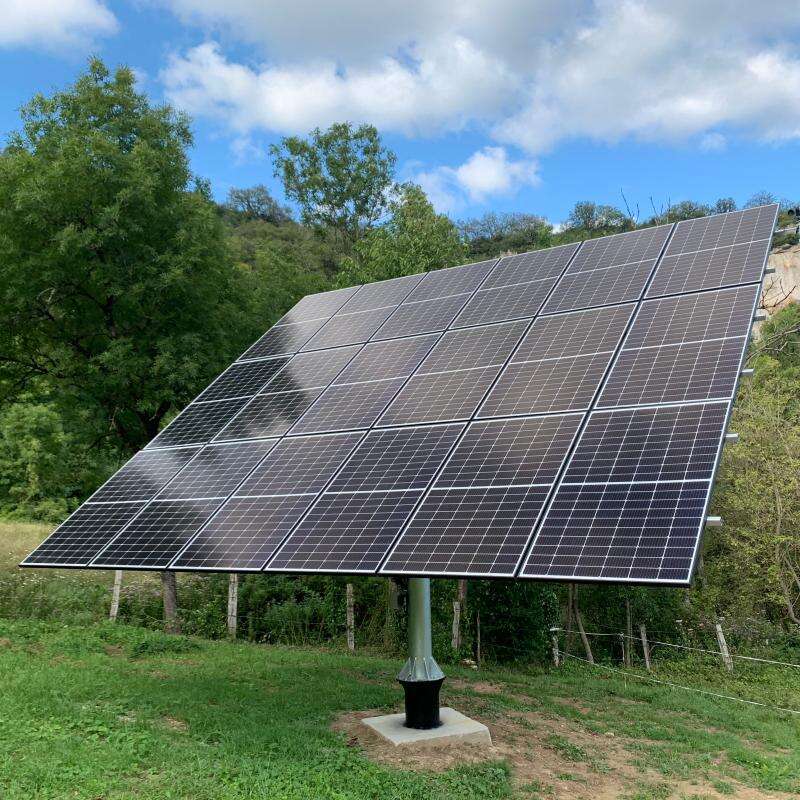
As businesses increasingly commit to environmental responsibility and carbon neutrality targets, integrating renewable energy sources becomes essential for achieving sustainability objectives. A commercial energy storage system serves as the critical enabling technology that transforms intermittent solar and wind generation into reliable, dispatchable power that businesses can utilize according to operational needs rather than weather-dependent generation patterns. Solar panels produce maximum output during midday hours when business electricity consumption may not peak, while generating nothing during evening hours when many commercial operations remain active. Wind generation follows similarly unpredictable patterns based on weather conditions. Without energy storage, this timing mismatch forces businesses to export excess renewable generation back to the grid at wholesale rates while purchasing expensive peak power during high-demand periods. The commercial energy storage system solves this inefficiency by capturing surplus renewable energy production for later use, dramatically increasing the percentage of business electricity consumption supplied by clean sources. This optimization allows companies to maximize return on solar and wind investments while accelerating progress toward renewable energy targets. Environmental benefits extend beyond direct emissions reduction, as decreased grid dependence during peak hours reduces strain on fossil fuel power plants that utilities activate to meet demand spikes. By storing and utilizing renewable energy locally, businesses contribute to broader grid decarbonization efforts. The sustainability credentials prove increasingly valuable for corporate reputation, as customers, investors, and partners prioritize environmental responsibility when making business decisions. Companies can quantify and publicize their carbon footprint reductions, supporting marketing initiatives and sustainability reporting requirements. Many organizations discover that prominent renewable energy commitments attract environmentally conscious customers willing to pay premium prices for products and services from responsible businesses. Employee recruitment and retention also benefit, as talented professionals increasingly seek employers whose values align with their environmental concerns. The commercial energy storage system enables participation in green building certification programs, contributing points toward LEED and similar ratings that enhance property values and attract quality tenants. Regulatory compliance becomes simpler as jurisdictions implement stricter emissions standards and renewable energy mandates. Rather than scrambling to meet new requirements, businesses with established commercial energy storage systems already possess the infrastructure necessary for compliance. Future-proofing extends to energy cost predictability, as renewable energy paired with storage provides immunity from fossil fuel price volatility that creates budgeting uncertainty. The combination delivers energy security alongside environmental benefits, positioning businesses advantageously regardless of how energy markets evolve.