Uninterrupted Operations with Seamless Backup Power Protection
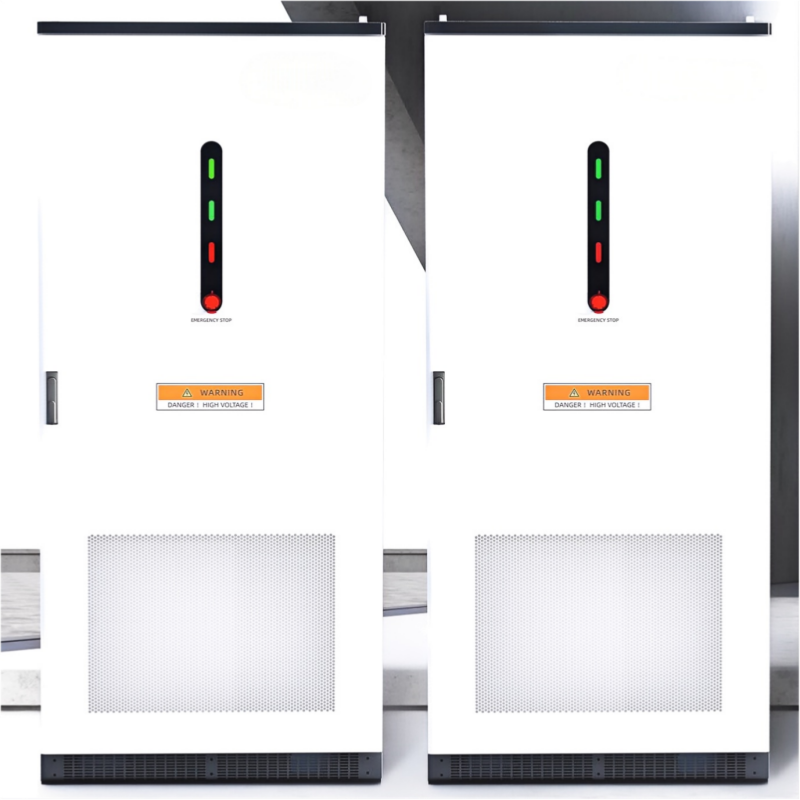
Business continuity depends on reliable electricity, yet grid outages cost commercial enterprises billions annually through lost productivity, spoiled inventory, damaged equipment, and missed revenue opportunities. Commercial battery storage provides comprehensive protection against these risks by delivering instantaneous backup power that activates automatically when grid supply fails. Unlike traditional generators that require 10 to 30 seconds to start and transfer load, battery systems respond in less than 10 milliseconds, a transition so rapid that computers and sensitive equipment never detect any interruption. This seamless switchover protects data integrity, prevents equipment damage from power quality fluctuations, and maintains customer service without disruption. For retail operations, uninterrupted power means point-of-sale systems continue processing transactions, refrigeration units protect perishable inventory, and security systems remain active, preventing the revenue loss and safety concerns that accompany outages. Manufacturing facilities benefit enormously because production line interruptions often require lengthy restart procedures, quality checks, and material waste. Commercial battery storage keeps critical processes running during brief outages and provides sufficient runtime for orderly shutdown during extended disruptions, minimizing financial impact. Healthcare facilities, data centers, and financial services companies face regulatory requirements for backup power, and commercial battery storage fulfills these obligations more reliably and cleanly than diesel generators. The system continuously monitors its own health and the grid status, ensuring readiness when needed most. Unlike generators that may fail to start after sitting idle, batteries maintain charge and perform regular self-tests. Modern commercial battery storage systems offer modular backup capacity, allowing businesses to prioritize which loads receive emergency power based on criticality. You might configure the system to power essential equipment for 8 hours or run the entire facility for 2 hours, depending on your operational requirements. This flexibility, combined with the option to recharge from on-site solar during extended outages, provides energy security that traditional backup solutions cannot match while eliminating the noise, emissions, fuel storage, and maintenance headaches associated with generators.

 EN
EN