Business Battery Storage Solutions: Reduce Costs, Ensure Reliability, and Power Sustainable Growth

All Categories

business battery storage

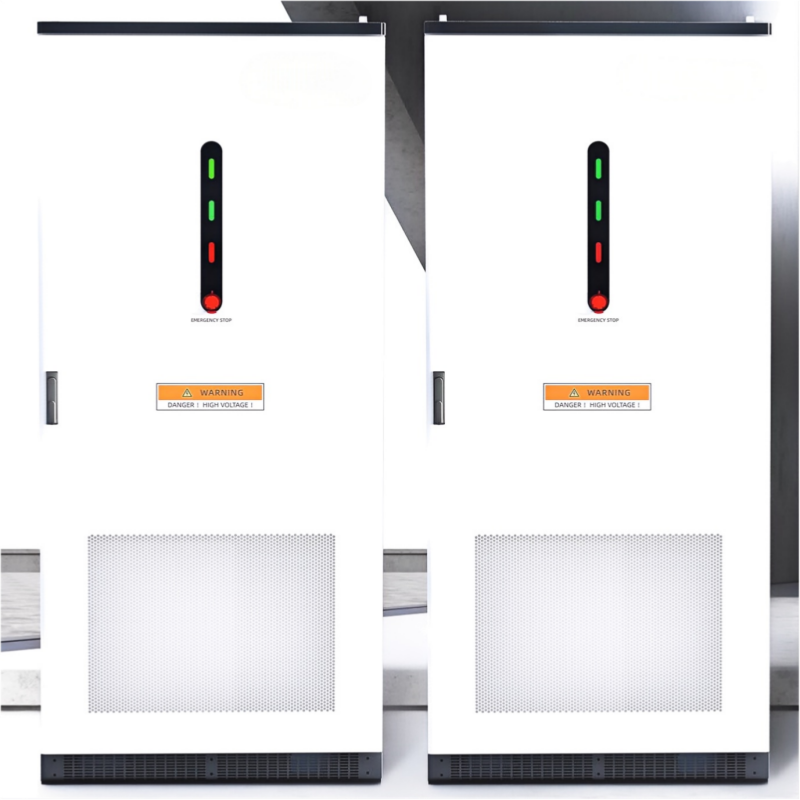
Business battery storage represents a transformative energy solution that enables companies to store electrical power for later use, providing unprecedented control over energy consumption and costs. These sophisticated systems capture electricity during off-peak hours when rates are lower or from renewable sources like solar panels, then release it during peak demand periods or when grid power becomes expensive or unavailable. Modern business battery storage solutions utilize advanced lithium-ion technology, offering high energy density, long cycle life, and rapid response times that make them ideal for commercial applications. The core function of business battery storage extends beyond simple energy storage to include demand charge management, backup power provision, and grid services participation. Companies can significantly reduce their electricity bills by strategically deploying stored energy during high-cost periods, a practice known as peak shaving. The technological features of contemporary business battery storage systems include intelligent energy management software that optimizes charging and discharging cycles based on utility rate structures, weather forecasts, and historical consumption patterns. These systems integrate seamlessly with existing electrical infrastructure and can scale from small retail operations to large industrial facilities. Business battery storage applications span diverse sectors including manufacturing plants, data centers, healthcare facilities, retail chains, and office buildings. In manufacturing environments, these systems ensure uninterrupted production by providing backup power during outages while simultaneously reducing demand charges that can account for a substantial portion of monthly electricity costs. Data centers leverage business battery storage to maintain critical operations and protect sensitive equipment from power quality issues. The modular design of modern business battery storage allows companies to start with smaller capacities and expand as energy needs grow, making this technology accessible to businesses of various sizes. Environmental benefits accompany the financial advantages, as business battery storage facilitates greater renewable energy integration and reduces reliance on fossil fuel-based peaker plants that utilities activate during high demand periods.

New Product Recommendations

The financial benefits of business battery storage deliver immediate and long-term value to companies seeking to optimize their energy expenses. Businesses typically see substantial reductions in monthly electricity costs through demand charge management, which addresses the fees utilities impose based on peak power consumption within billing periods. By deploying stored energy during these peak moments, companies can flatten their demand profile and avoid expensive charges that often represent thirty to seventy percent of commercial electricity bills. Energy arbitrage provides another revenue stream, allowing businesses to purchase electricity when prices are low and use stored power when rates spike, creating predictable energy costs that simplify budgeting and financial planning. The reliability advantages of business battery storage cannot be overstated, particularly for operations where downtime translates directly to lost revenue. Unlike traditional backup generators that require several seconds to activate, battery systems provide instantaneous power during outages, protecting sensitive equipment and maintaining continuous operations. This seamless transition proves invaluable for facilities housing critical infrastructure, medical equipment, or data processing systems where even momentary interruptions cause significant problems. Business battery storage systems require minimal maintenance compared to diesel generators, eliminating fuel storage concerns, reducing noise pollution, and avoiding the emissions associated with combustion-based backup power. The operational flexibility these systems provide allows businesses to participate in utility demand response programs, earning additional revenue by reducing grid consumption during peak periods while drawing from stored energy reserves. Companies gain energy independence and insulation from grid instability, rate increases, and supply disruptions that increasingly affect business operations. The scalability of business battery storage means organizations can right-size their investment, starting with capacity that meets current needs and expanding as requirements grow or as return on investment justifies additional deployment. Installation timelines for business battery storage prove remarkably short compared to other infrastructure projects, with many systems becoming operational within weeks rather than months. The technology integrates effortlessly with renewable energy installations, maximizing the value of solar or wind investments by storing excess generation for use during non-productive periods. Businesses demonstrate environmental leadership by adopting battery storage, reducing their carbon footprint while achieving tangible financial returns. The predictive analytics and monitoring capabilities built into modern business battery storage systems provide unprecedented visibility into energy consumption patterns, enabling data-driven decisions about facility operations and energy procurement strategies. These advantages combine to create a compelling value proposition that extends across industries and business models, making battery storage an increasingly essential component of modern commercial energy management.

Practical Tips

Energy Savings and Spectral Precision

14

Jan

Energy Savings and Spectral Precision

Discover how horticultural LED lighting cuts energy use by up to 50% while boosting plant growth with optimized spectra. Reduce TCO and enhance sustainability. Learn more today.
View More
Introduction to Photosynthetically Active Radiation (PAR)

14

Jan

Introduction to Photosynthetically Active Radiation (PAR)

Discover how Photosynthetically Active Radiation (PAR) boosts photosynthesis, growth, and yields. Learn to optimize LED lighting for energy efficiency and crop quality. Read more.
View More
Comprehensive Light Planning in Controlled Environment Agriculture

12

Mar

Comprehensive Light Planning in Controlled Environment Agriculture

Maximize crop yield with precise PPFD planning. Discover how 3D light simulations improve uniformity, reduce waste, and boost photosynthesis. Get your free lighting guide.
View More
The Grow Light Spectrum

15

Jan

The Grow Light Spectrum

Maximize photosynthetic efficiency and yields with science-backed grow light spectra. Discover how blue, red, and full-spectrum lighting affect plant growth. Learn more.
View More

Get a Free Quote

Our representative will contact you soon.
Email
Mobile
Country/Region
Name
Message
0/1000

business battery storage

Dramatic Reduction in Energy Costs Through Intelligent Peak Demand Management

Dramatic Reduction in Energy Costs Through Intelligent Peak Demand Management

Business battery storage delivers transformative cost savings by intelligently managing when and how companies consume grid electricity, specifically targeting the demand charges that represent the largest controllable portion of commercial energy expenses. Utility companies assess demand charges based on the highest level of power consumption recorded during specific intervals within a billing cycle, meaning a single spike in electricity usage can dramatically increase costs for an entire month. This pricing structure penalizes businesses for their peak consumption regardless of their average usage, creating a scenario where brief periods of high demand disproportionately impact overall expenses. Business battery storage systems address this challenge through sophisticated algorithms that continuously monitor power consumption and automatically discharge stored energy when usage approaches threshold levels, effectively capping peak demand and preventing costly spikes. The financial impact proves substantial, with many businesses reducing demand charges by forty to sixty percent, translating to tens of thousands of dollars in annual savings for medium-sized facilities and potentially millions for large industrial operations. Beyond demand charge reduction, business battery storage enables time-of-use optimization, where systems charge during off-peak hours when electricity rates are lowest and discharge during expensive peak periods, capturing the price differential as direct savings. This energy arbitrage strategy becomes particularly valuable in regions with significant rate variations between peak and off-peak periods, where the spread can exceed ten cents per kilowatt-hour. The predictive capabilities of modern business battery storage systems enhance these savings by incorporating weather forecasts, historical consumption data, and utility rate schedules to optimize charging and discharging decisions days in advance. Businesses gain unprecedented control over their energy expenses, transforming electricity from an unpredictable variable cost into a manageable, optimized operational expense. The return on investment for business battery storage typically ranges from three to seven years depending on local utility rates, available incentives, and facility consumption patterns, after which the systems continue generating savings throughout their fifteen to twenty-year operational lifespan. Companies also benefit from protection against future rate increases, as stored energy provides a hedge against rising electricity costs that have historically outpaced inflation in many markets.
Uninterrupted Operations and Enhanced Power Reliability for Mission-Critical Applications

Uninterrupted Operations and Enhanced Power Reliability for Mission-Critical Applications

Business battery storage provides unparalleled power reliability that protects operations from the costly disruptions caused by grid outages, voltage fluctuations, and power quality issues that increasingly plague commercial facilities. The instantaneous response capability of battery systems distinguishes them from traditional backup solutions, delivering seamless power transitions that prevent even momentary interruptions to sensitive equipment and critical processes. When grid power fails, business battery storage systems detect the outage within milliseconds and automatically switch to battery power without the delay associated with generator startup sequences, ensuring continuous operation of computers, manufacturing equipment, HVAC systems, and other essential infrastructure. This capability proves invaluable for businesses where downtime carries severe financial consequences, including data centers where minutes of outage can cost hundreds of thousands of dollars, healthcare facilities where patient safety depends on continuous power, and manufacturing operations where production line stoppages result in lost output and potential equipment damage. Business battery storage systems also address power quality issues that do not constitute complete outages but nonetheless damage equipment and disrupt operations, including voltage sags, surges, and harmonic distortions that increasingly affect modern facilities as grid infrastructure ages and renewable energy penetration increases. The clean, stable power delivered by battery systems protects sensitive electronics and extends equipment lifespan while reducing maintenance costs associated with power-related failures. Unlike diesel generators that require regular testing, fuel management, and maintenance while producing noise and emissions, business battery storage operates silently with minimal upkeep, making it suitable for urban locations and facilities with environmental concerns. The modular architecture of contemporary battery systems allows businesses to configure backup duration based on specific needs, from brief bridging power that maintains operations until generators start, to extended backup capacity that sustains facilities through prolonged outages. Companies can prioritize critical loads, ensuring essential systems receive power first while less critical operations shut down gracefully, maximizing the utility of available stored energy during emergencies. Business battery storage also enables participation in grid resilience programs where utilities compensate businesses for providing backup capacity that can be called upon during system stress, creating an additional revenue stream while enhancing community energy security.

Seamless Integration with Renewable Energy for Sustainable Business Operations

Seamless Integration with Renewable Energy for Sustainable Business Operations

Business battery storage serves as the essential enabler for companies seeking to maximize renewable energy utilization, addressing the fundamental challenge of intermittency that limits the value of solar and wind installations. Solar panels generate electricity only during daylight hours with output varying based on weather conditions, while business energy consumption often peaks in early morning or evening when solar production is minimal or absent. Without storage, excess solar generation during midday either goes unused or feeds back to the grid at minimal compensation rates, while businesses must purchase expensive grid power during high-demand periods when solar panels produce nothing. Business battery storage solves this mismatch by capturing surplus renewable generation and making it available precisely when needed, dramatically increasing the financial return on solar investments and enabling businesses to achieve much higher levels of energy independence. Companies can effectively shift their solar production timeline, using stored energy generated at noon to power evening operations or morning startup procedures, transforming intermittent renewable sources into dispatchable, reliable power supplies. This capability allows businesses to increase their renewable energy utilization from typical rates of thirty to forty percent without storage to seventy to ninety percent with properly sized battery systems, substantially reducing both carbon footprints and grid electricity purchases. Business battery storage also protects renewable energy investments from utility policy changes, including reductions in net metering rates or the introduction of grid export charges that diminish the value of sending excess generation back to the utility. By storing rather than exporting surplus production, companies retain full value from every kilowatt-hour their renewable systems generate. The environmental benefits extend beyond direct emissions reductions, as business battery storage reduces reliance on fossil fuel peaker plants that utilities activate during high demand periods, which are among the least efficient and most polluting generation sources. Companies demonstrate corporate sustainability leadership while achieving concrete financial returns, satisfying stakeholder expectations for environmental responsibility without sacrificing profitability. Modern business battery storage systems include sophisticated energy management platforms that optimize the interaction between renewable generation, battery charging and discharging, and grid consumption, ensuring maximum economic and environmental benefit from the integrated system. Businesses can also leverage battery storage to participate in renewable energy certificate markets and corporate sustainability reporting, quantifying and monetizing their environmental impact. The combination of business battery storage with renewable generation creates a resilient, sustainable energy infrastructure that positions companies for long-term success as electricity markets evolve toward cleaner, more distributed generation models.