Commercial Battery Storage Systems - Reduce Costs and Ensure Energy Reliability

All Categories

commercial battery storage systems

Commercial battery storage systems represent a transformative solution for businesses seeking to optimize their energy management and reduce operational costs. These advanced systems store electrical energy during off-peak hours or when renewable sources generate excess power, then release it during peak demand periods or when energy prices are highest. At their core, commercial battery storage systems consist of multiple battery modules, sophisticated power conversion equipment, intelligent management software, and safety monitoring mechanisms that work together seamlessly. The primary functions include load shifting, which allows businesses to purchase electricity when rates are lowest and use stored energy during expensive peak hours, demand charge reduction that helps companies avoid costly spikes in their utility bills, and backup power provision that ensures business continuity during grid outages. Technologically, modern commercial battery storage systems utilize lithium-ion chemistry for its superior energy density, longer cycle life, and faster charging capabilities compared to traditional lead-acid alternatives. These systems integrate seamlessly with existing electrical infrastructure and can be scaled according to specific business requirements. The intelligent battery management systems continuously monitor cell performance, temperature, voltage, and state of charge to maximize efficiency and longevity. Commercial battery storage systems also support renewable energy integration, enabling businesses to store solar or wind power for later use, thereby maximizing their investment in clean energy. Applications span across various sectors including retail establishments, manufacturing facilities, data centers, healthcare institutions, educational campuses, and office buildings. These systems can range from small installations providing several kilowatt-hours for small businesses to massive multi-megawatt installations serving industrial complexes or commercial real estate developments. The modular design of commercial battery storage systems allows for future expansion as energy needs grow, making them a flexible long-term investment for forward-thinking businesses.


Popular Products

Investing in commercial battery storage systems delivers substantial financial benefits that directly impact your bottom line. Your business can significantly reduce electricity costs by storing energy when rates are low and using it during expensive peak hours, potentially cutting energy bills by twenty to forty percent annually. This strategy, known as energy arbitrage, becomes increasingly valuable as the gap between peak and off-peak electricity prices widens. Commercial battery storage systems also eliminate or drastically reduce demand charges, which often constitute the largest portion of commercial electricity bills. These charges are based on your highest power usage within any fifteen-minute interval during the billing period, and even brief spikes can result in substantial fees. By deploying stored energy during high-demand moments, your facility maintains a more consistent power draw, avoiding these costly penalties. Beyond immediate cost savings, these systems provide reliable backup power that protects your operations from grid failures and outages. Unexpected power interruptions can cost businesses thousands of dollars per hour in lost productivity, spoiled inventory, and interrupted services. With commercial battery storage systems, your critical operations continue running smoothly during outages, protecting revenue and maintaining customer satisfaction. Environmental responsibility becomes achievable without sacrificing operational efficiency. Your business can maximize the value of on-site solar panels or other renewable installations by storing excess generation for later use, increasing your renewable energy utilization from typical rates of thirty percent to over eighty percent. This capability not only reduces your carbon footprint but also enhances your corporate sustainability profile, which increasingly matters to customers, investors, and stakeholders. The systems provide energy independence and protection against volatile electricity markets and unpredictable rate increases. By generating and storing your own power, you gain greater control over energy expenses and insulate your business from utility rate fluctuations. Installation and maintenance prove surprisingly straightforward, with minimal disruption to daily operations. Modern commercial battery storage systems require little ongoing maintenance, typically just periodic software updates and annual inspections. The systems operate silently and safely, with multiple redundant safety features protecting against thermal events or electrical faults. Many businesses also qualify for significant financial incentives, including federal tax credits, state rebates, and utility company programs that can offset thirty to fifty percent of installation costs. Furthermore, commercial battery storage systems increase property value and demonstrate operational sophistication that appeals to tenants, customers, and business partners. The technology positions your business as innovative and forward-thinking while delivering measurable returns on investment typically within three to seven years.

Practical Tips

Energy Savings and Spectral Precision

14

Jan

Energy Savings and Spectral Precision

Discover how horticultural LED lighting cuts energy use by up to 50% while boosting plant growth with optimized spectra. Reduce TCO and enhance sustainability. Learn more today.
View More
Introduction to Photosynthetically Active Radiation (PAR)

14

Jan

Introduction to Photosynthetically Active Radiation (PAR)

Discover how Photosynthetically Active Radiation (PAR) boosts photosynthesis, growth, and yields. Learn to optimize LED lighting for energy efficiency and crop quality. Read more.
View More
Comprehensive Light Planning in Controlled Environment Agriculture

12

Mar

Comprehensive Light Planning in Controlled Environment Agriculture

Maximize crop yield with precise PPFD planning. Discover how 3D light simulations improve uniformity, reduce waste, and boost photosynthesis. Get your free lighting guide.
View More
The Grow Light Spectrum

15

Jan

The Grow Light Spectrum

Maximize photosynthetic efficiency and yields with science-backed grow light spectra. Discover how blue, red, and full-spectrum lighting affect plant growth. Learn more.
View More

Get a Free Quote

Our representative will contact you soon.
Email
Mobile
Country/Region
Name
Message
0/1000

commercial battery storage systems

Maximum Cost Savings Through Intelligent Energy Management

Maximum Cost Savings Through Intelligent Energy Management

Commercial battery storage systems revolutionize how businesses manage their energy expenses through sophisticated algorithms that automatically optimize when to store and when to deploy electricity. The financial advantages extend far beyond simple electricity bill reduction, creating multiple revenue streams and cost avoidance opportunities that compound over time. The primary mechanism for savings involves time-of-use optimization, where the system charges during periods when electricity rates are lowest, typically overnight or during mid-day when solar production peaks, then discharges during expensive peak periods when grid electricity costs two to five times more. This arbitrage strategy alone can reduce energy procurement costs by twenty-five to forty-five percent depending on your local utility rate structure. Even more impactful for many businesses is demand charge management, as these charges frequently represent forty to seventy percent of total electricity costs for commercial customers. Demand charges penalize facilities for their highest fifteen-minute average power consumption during any point in the billing cycle, meaning a single brief spike can dramatically increase costs for an entire month. Commercial battery storage systems continuously monitor your facility's power consumption in real-time, automatically injecting stored energy whenever demand threatens to exceed predetermined thresholds, effectively capping your peak demand and eliminating these penalties. Advanced predictive analytics enhance these savings further by learning your facility's consumption patterns, weather impacts, and operational schedules to proactively position stored energy for maximum financial benefit. The systems can participate in utility demand response programs, where your business receives payments for reducing grid consumption during periods of high system stress, adding another revenue stream. In markets with dynamic pricing or real-time electricity rates, commercial battery storage systems respond instantaneously to price signals, ensuring you never pay premium rates when stored energy is available. The cumulative financial impact proves substantial, with typical commercial installations achieving returns on investment between four and seven years, after which the savings continue for the fifteen to twenty-year system lifespan. These economic benefits remain stable and predictable, unlike many business investments, because electricity demand is constant and rate structures are published in advance. Additionally, businesses can monetize their flexibility through ancillary services markets in some regions, providing grid stabilization services that generate additional revenue. The systems also protect against the long-term trend of rising electricity costs, which historically increase faster than general inflation, making your future savings even more valuable than today's reductions.
Uninterrupted Operations With Reliable Backup Power

Uninterrupted Operations With Reliable Backup Power

Business continuity represents one of the most critical yet often undervalued benefits of commercial battery storage systems, as even brief power interruptions can cascade into substantial financial losses and operational disruptions. Unlike traditional backup generators that require ten to thirty seconds to start and may fail to activate due to mechanical issues, commercial battery storage systems provide instantaneous, seamless power transition that prevents any interruption to sensitive equipment or operations. This capability proves invaluable across numerous business contexts, from data centers where microsecond interruptions can corrupt data and crash servers, to healthcare facilities where lives depend on uninterrupted power for critical medical equipment, to manufacturing operations where power fluctuations can damage machinery or ruin batch processes worth thousands of dollars. Retail businesses benefit by maintaining point-of-sale systems, refrigeration, and lighting during outages, avoiding lost sales and spoiled inventory. Restaurants and hospitality businesses protect their reputation and revenue by ensuring guests never experience service interruptions. The financial protection extends beyond immediate operational impacts to include avoided costs from employee downtime, missed deadlines, damaged equipment, and lost customer confidence. Studies indicate that power outages cost businesses an average of eight thousand to fifteen thousand dollars per hour, with costs escalating dramatically for certain industries. Commercial battery storage systems eliminate these risks entirely for durations ranging from two hours for basic systems to over eight hours for robust installations, with the flexibility to expand capacity based on your specific backup requirements. Unlike generators that require fuel deliveries during extended outages and produce noise and emissions, battery systems operate silently and cleanly while automatically maintaining readiness. The systems provide power quality benefits beyond simple backup functionality, conditioning electricity to protect sensitive electronics from voltage sags, surges, and harmonic distortions that commonly occur on the grid. This protection extends equipment lifespan and prevents the premature failures that necessitate costly replacements. Advanced commercial battery storage systems can operate in grid-independent mode, allowing facilities to continue operations even during extended regional outages by cycling between battery power and on-site generation sources like solar panels or generators. The psychological benefits of energy security should not be underestimated, as management teams and employees work more confidently knowing that operations will continue regardless of external power disruptions. For businesses with contractual service level agreements or regulatory requirements for uptime, commercial battery storage systems provide the reliability assurance necessary to meet these obligations without the ongoing fuel costs and maintenance requirements of traditional backup systems.
Environmental Leadership Through Enhanced Renewable Integration

Environmental Leadership Through Enhanced Renewable Integration

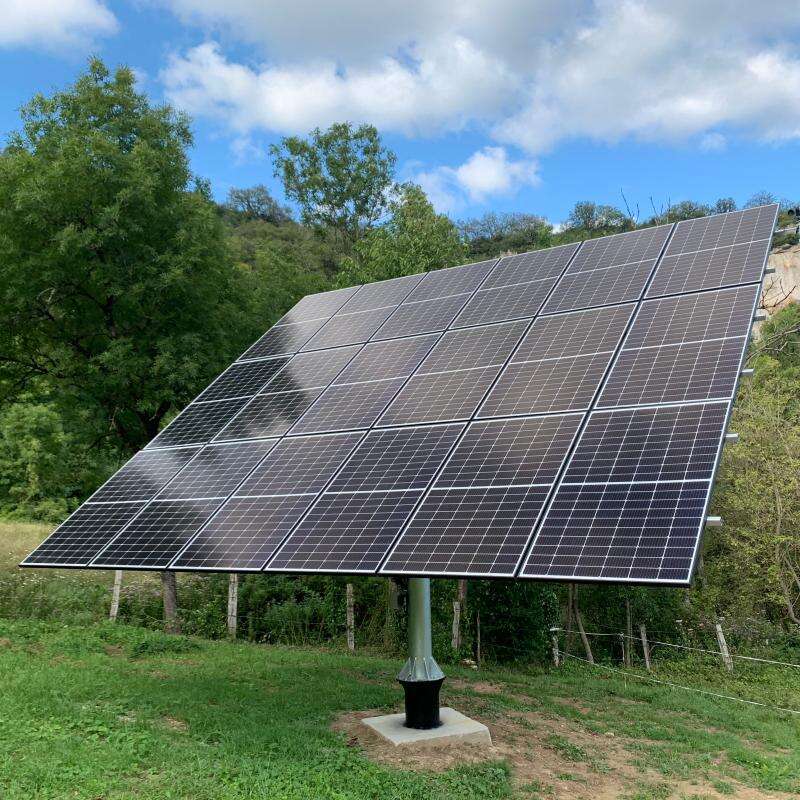
Commercial battery storage systems serve as the essential bridge between sustainable energy ambitions and practical business operations, transforming intermittent renewable generation into reliable, dispatchable power that aligns with actual consumption patterns. Solar panels and wind turbines generate electricity based on weather conditions rather than business needs, creating a fundamental mismatch between production and consumption that severely limits renewable energy utilization without storage. A typical commercial solar installation without battery storage might directly use only twenty-five to thirty-five percent of the electricity it generates, with excess power exported to the grid at minimal compensation rates. Commercial battery storage systems reverse this equation, capturing excess renewable generation that would otherwise be wasted or sold cheaply, then deploying that clean energy during evening hours or cloudy periods when your business needs it most. This capability increases on-site renewable utilization rates to seventy-five to ninety percent, multiplying the environmental and financial returns from your clean energy investments. The environmental impact proves substantial, with a typical commercial battery storage system paired with solar panels offsetting fifty to one hundred fifty tons of carbon dioxide emissions annually, equivalent to removing ten to thirty gasoline vehicles from the road. Beyond carbon reduction, these systems help businesses achieve ambitious sustainability goals, meet corporate environmental commitments, and satisfy increasingly stringent environmental regulations. Many corporations now face pressure from investors, customers, and stakeholders to demonstrate measurable progress toward carbon neutrality, and commercial battery storage systems provide verifiable, quantifiable emissions reductions that enhance environmental reporting and corporate responsibility profiles. The technology enables participation in green building certification programs like LEED, which award points for energy storage installations and on-site renewable energy utilization, potentially increasing property values and tenant appeal. Companies can leverage their investment in commercial battery storage systems for marketing differentiation, demonstrating environmental leadership that resonates with environmentally conscious consumers who increasingly prefer to do business with sustainable companies. The systems also future-proof facilities against evolving environmental regulations and carbon pricing mechanisms that may impose costs on businesses with high grid electricity consumption and carbon footprints. From a grid perspective, distributed commercial battery storage systems reduce strain on transmission infrastructure, decrease the need for fossil fuel peaker plants that operate during high demand periods, and enhance overall grid stability and renewable integration at the system level. Businesses installing commercial battery storage systems contribute to the broader energy transition while capturing immediate operational and financial benefits, creating a rare alignment between corporate self-interest and societal environmental goals. The scalability of these systems allows businesses to expand their renewable energy footprint over time as budgets allow and as corporate sustainability objectives evolve, making environmental progress an achievable journey rather than an overwhelming transformation.