Advanced Horticulture Laboratory Research Lighting Systems for Plant Science and Agricultural Research

All Categories

horticulture laboratory research lighting

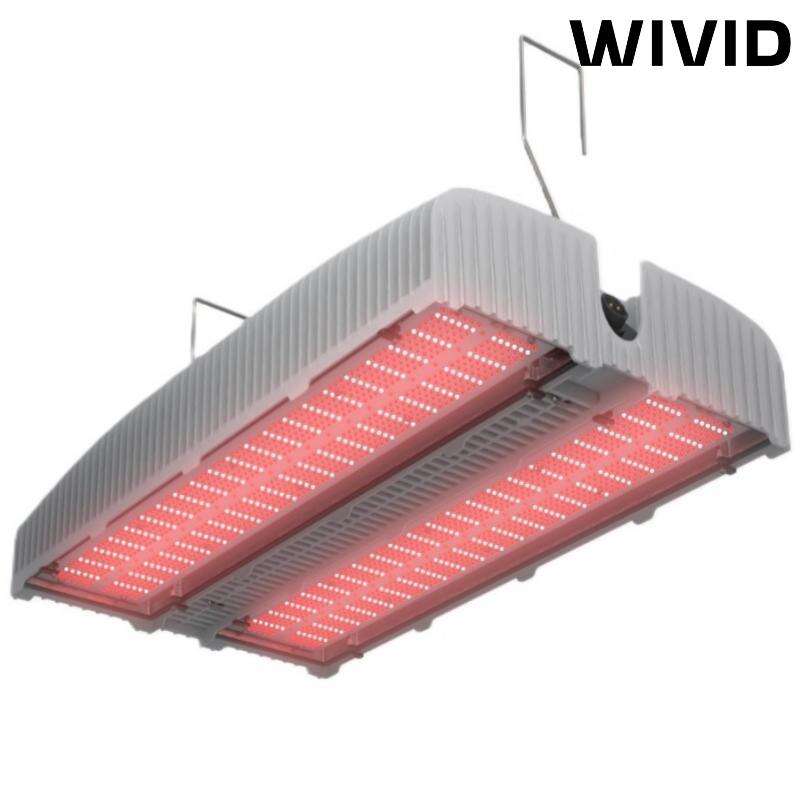
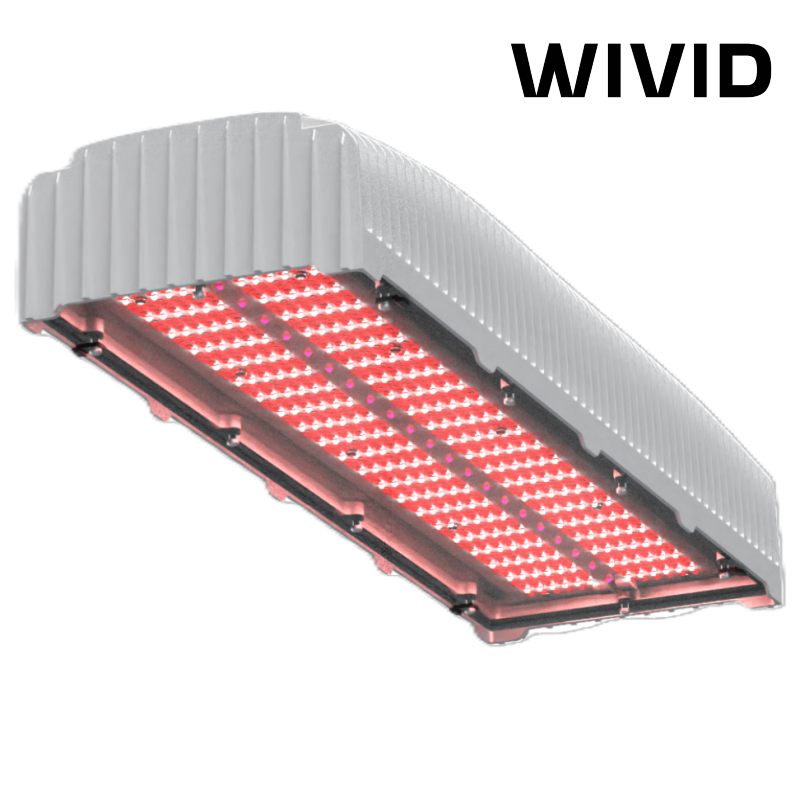
Horticulture laboratory research lighting represents a specialized illumination system designed specifically for controlled environment agriculture studies and plant science research. This advanced lighting technology serves as a critical tool for researchers, botanists, and agricultural scientists who require precise control over light parameters to study plant growth, development, and physiological responses. The main functions of horticulture laboratory research lighting include providing customizable light spectra, adjustable intensity levels, and programmable photoperiods that simulate various natural and experimental conditions. These systems enable scientists to manipulate photosynthetic photon flux density, wavelength distribution, and light duration with exceptional accuracy. Technological features of horticulture laboratory research lighting encompass LED-based light sources that offer energy efficiency and minimal heat emission, computerized control systems for automated scheduling, spectral tuning capabilities ranging from ultraviolet to far-red wavelengths, and data logging functions that record environmental parameters throughout experiments. Modern systems integrate with laboratory information management systems and allow remote monitoring through digital interfaces. Applications of horticulture laboratory research lighting span multiple scientific domains including photobiology research, crop improvement programs, germplasm preservation studies, tissue culture propagation, seed germination trials, and stress response investigations. Research facilities utilize this lighting to evaluate new cultivar performance, optimize production protocols, study plant-pathogen interactions under controlled conditions, and develop sustainable growing methodologies. Universities, government research institutions, private breeding companies, and pharmaceutical organizations conducting plant-based research rely on horticulture laboratory research lighting to generate reproducible experimental results. The technology supports fundamental research into photomorphogenesis, circadian rhythms, and secondary metabolite production while enabling applied research for commercial agriculture advancement and food security initiatives.


New Product Recommendations

Horticulture laboratory research lighting delivers substantial benefits that transform how plant scientists conduct experiments and gather data. First, these systems provide unmatched precision in controlling light conditions, allowing researchers to isolate specific variables and understand exactly how different wavelengths affect plant behavior. You can adjust red, blue, green, and far-red light independently, creating custom recipes that target specific research questions. This precision eliminates the guesswork associated with natural sunlight or traditional grow lights, giving you confidence in your experimental design. Second, the energy efficiency of modern horticulture laboratory research lighting reduces operational costs significantly compared to legacy systems. LED technology consumes less electricity while producing more usable light for photosynthesis, which means your research budget stretches further. Lower energy consumption also translates to reduced cooling requirements since these lights generate minimal heat, creating a more stable environment for sensitive experiments. Third, the consistency and reliability of horticulture laboratory research lighting ensure reproducible results across multiple trials and different facilities. When you publish findings based on experiments using standardized lighting protocols, other researchers can replicate your work with confidence. This reproducibility strengthens the scientific validity of your research and accelerates knowledge sharing within the plant science community. Fourth, the programmable nature of horticulture laboratory research lighting saves time and labor. You can schedule complex lighting regimens weeks or months in advance, and the system executes them automatically without manual intervention. This automation frees researchers to focus on observation, data analysis, and experimental design rather than routine adjustments. Fifth, the long lifespan of LED components in horticulture laboratory research lighting means fewer replacements and less maintenance downtime. Quality systems operate reliably for years, maintaining consistent output without the frequent bulb changes required by older technologies. Sixth, the compact design and modular configuration of horticulture laboratory research lighting maximize space utilization in laboratories where every square foot matters. You can install these systems in growth chambers, shelving units, or custom enclosures, adapting to your specific facility constraints. Finally, the data collection capabilities integrated into advanced horticulture laboratory research lighting systems provide valuable insights into environmental conditions throughout your experiments, supporting comprehensive analysis and helping you identify factors that influence outcomes.

Tips And Tricks

Energy Savings and Spectral Precision

14

Jan

Energy Savings and Spectral Precision

Discover how horticultural LED lighting cuts energy use by up to 50% while boosting plant growth with optimized spectra. Reduce TCO and enhance sustainability. Learn more today.
View More
Introduction to Photosynthetically Active Radiation (PAR)

14

Jan

Introduction to Photosynthetically Active Radiation (PAR)

Discover how Photosynthetically Active Radiation (PAR) boosts photosynthesis, growth, and yields. Learn to optimize LED lighting for energy efficiency and crop quality. Read more.
View More
Comprehensive Light Planning in Controlled Environment Agriculture

12

Mar

Comprehensive Light Planning in Controlled Environment Agriculture

Maximize crop yield with precise PPFD planning. Discover how 3D light simulations improve uniformity, reduce waste, and boost photosynthesis. Get your free lighting guide.
View More
The Grow Light Spectrum

15

Jan

The Grow Light Spectrum

Maximize photosynthetic efficiency and yields with science-backed grow light spectra. Discover how blue, red, and full-spectrum lighting affect plant growth. Learn more.
View More

Get a Free Quote

Our representative will contact you soon.
Email
Mobile
Country/Region
Name
Message
0/1000

horticulture laboratory research lighting

Spectral Customization for Targeted Research Outcomes

Spectral Customization for Targeted Research Outcomes

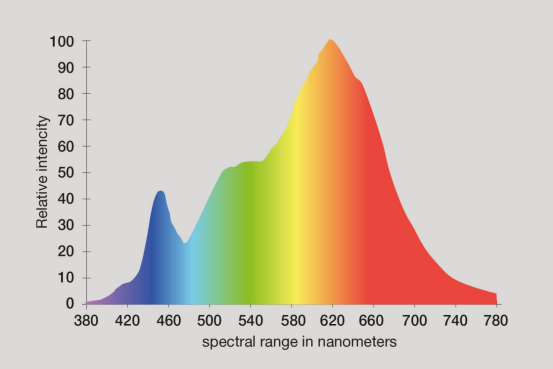
The spectral customization capability of horticulture laboratory research lighting stands as its most powerful feature, enabling scientists to manipulate plant responses with unprecedented precision. Unlike broad-spectrum lighting that delivers a fixed wavelength distribution, advanced horticulture laboratory research lighting systems allow independent control of multiple spectral channels, typically including ultraviolet, blue, green, red, and far-red wavelengths. This granular control matters because plants have evolved sophisticated photoreceptor systems that respond differently to specific wavelengths, triggering distinct morphological and biochemical pathways. Researchers studying photomorphogenesis can use horticulture laboratory research lighting to activate specific photoreceptors like phytochromes, cryptochromes, and phototropins, observing how individual wavelengths influence stem elongation, leaf expansion, flowering time, and root development. For example, adjusting the red to far-red ratio allows investigation of shade avoidance responses, while varying blue light intensity helps understand stomatal regulation and phototropic movements. The ability to create custom spectral recipes with horticulture laboratory research lighting proves invaluable for breeding programs seeking to identify cultivars with superior performance under specific light conditions. Plant breeders can screen hundreds of genotypes under identical, controlled spectral environments, identifying genetic variations that confer advantages for indoor agriculture or specific geographic regions. Pharmaceutical researchers benefit from spectral customization when optimizing secondary metabolite production in medicinal plants, as certain wavelengths enhance the biosynthesis of valuable compounds like alkaloids, flavonoids, and terpenoids. The precision offered by horticulture laboratory research lighting extends to studying plant stress responses, where researchers can simulate light stress conditions or investigate how light quality modulates plant resilience to other environmental challenges. This level of control simply cannot be achieved with natural sunlight or conventional lighting technologies, making horticulture laboratory research lighting an indispensable tool for advancing plant science knowledge and developing practical applications for agriculture and biotechnology industries.
Environmental Control Integration for Comprehensive Experiments

Environmental Control Integration for Comprehensive Experiments

Modern horticulture laboratory research lighting systems excel through seamless integration with broader environmental control infrastructure, creating holistic experimental platforms that address the complex interactions between light and other growth factors. This integration capability transforms horticulture laboratory research lighting from a simple illumination source into a central component of sophisticated research ecosystems. When synchronized with temperature control, humidity management, and carbon dioxide enrichment systems, horticulture laboratory research lighting enables researchers to study multifactorial effects on plant growth and development. The computerized control interfaces of advanced horticulture laboratory research lighting accept input from environmental sensors, allowing dynamic adjustments based on real-time conditions. For instance, the system can automatically modify light intensity in response to temperature fluctuations, maintaining optimal photosynthetic conditions while preventing heat stress. This responsive capability proves essential for experiments examining climate change impacts or developing climate-resilient crop varieties. The data logging functions built into horticulture laboratory research lighting systems capture detailed records of light delivery alongside other environmental parameters, creating comprehensive datasets that support sophisticated statistical analysis and modeling. Researchers can correlate specific light treatments with plant responses while accounting for environmental variables, strengthening the scientific rigor of their conclusions. Integration with laboratory information management systems allows horticulture laboratory research lighting to become part of larger experimental workflows, automatically documenting treatment protocols and linking lighting data with plant measurements, molecular analyses, and yield assessments. This connectivity streamlines research operations and reduces the risk of documentation errors that can compromise experimental validity. The remote monitoring capabilities of networked horticulture laboratory research lighting systems provide researchers with real-time visibility into ongoing experiments from any location, enabling prompt responses to unexpected conditions and facilitating collaboration between geographically distributed research teams. Mobile applications and web interfaces make it convenient to check system status, review historical data, and make adjustments without physically visiting the laboratory, which proves particularly valuable for long-duration experiments or facilities operating outside standard business hours.
Scalability and Flexibility for Diverse Research Applications

Scalability and Flexibility for Diverse Research Applications

The scalability and flexibility inherent in horticulture laboratory research lighting systems address the diverse needs of research institutions ranging from small university laboratories to large government research centers and commercial breeding operations. This adaptability makes horticulture laboratory research lighting suitable for projects spanning basic photobiology studies with a few plants to large-scale phenotyping initiatives involving thousands of specimens. Modular designs allow researchers to start with a basic horticulture laboratory research lighting configuration and expand capacity as projects grow or funding becomes available, protecting initial investments while accommodating evolving research priorities. The physical flexibility of horticulture laboratory research lighting manifests in multiple form factors including overhead panels, vertical arrays, and adjustable fixtures that adapt to different plant sizes and growth habits. Researchers studying tree seedlings require different lighting configurations than those working with microgreens or tissue cultures, and quality horticulture laboratory research lighting systems accommodate these varying requirements without compromising performance. Mounting options for horticulture laboratory research lighting include permanent installations in dedicated growth chambers, portable units for flexible laboratory spaces, and custom configurations for specialized equipment like plant phenotyping platforms or automated imaging systems. This mechanical flexibility ensures that horticulture laboratory research lighting integrates smoothly into existing facilities without requiring extensive renovations or infrastructure modifications. The operational flexibility of horticulture laboratory research lighting extends to supporting diverse experimental protocols, from simple day-night cycles to complex diurnal patterns that simulate natural conditions or test novel photoperiod strategies. Researchers can program gradual sunrise and sunset transitions, midday intensity peaks, or interrupted night periods to investigate circadian clock mechanisms and photoperiodic flowering responses. The ability to save and recall lighting recipes makes it easy to standardize protocols across multiple experiments or share methodologies with collaborating institutions, promoting consistency and reproducibility in plant science research. Financial scalability represents another crucial advantage of horticulture laboratory research lighting, as the energy efficiency and longevity of LED technology reduce total cost of ownership compared to legacy lighting systems, making advanced research capabilities accessible to institutions with limited budgets while delivering superior performance that justifies investment for well-funded programs.