Premium Horticulture LED Lights - Energy-Efficient Full Spectrum Grow Lighting Solutions

All Categories

horticulture led lights

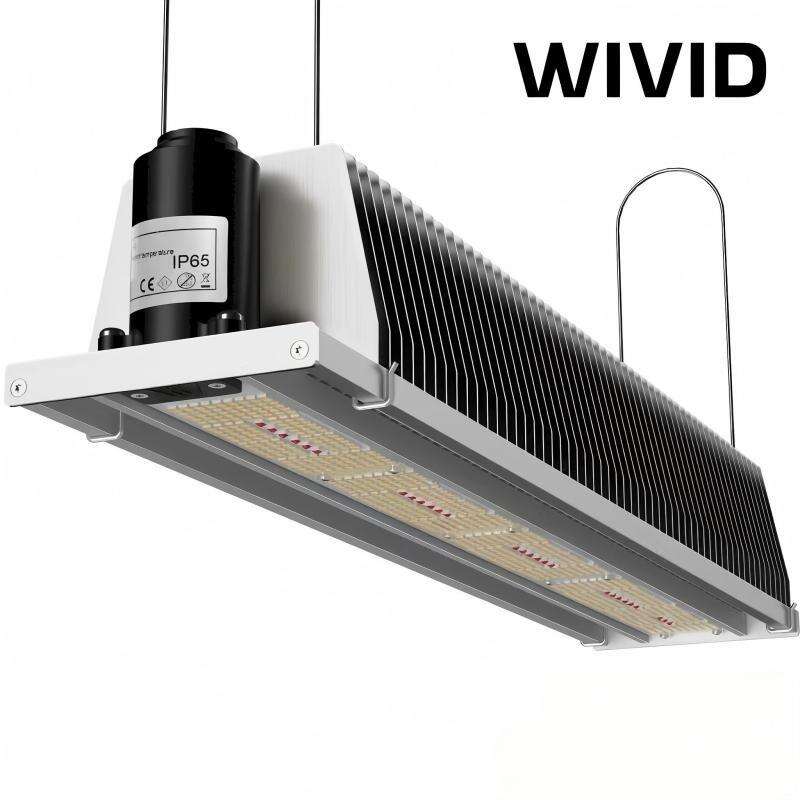
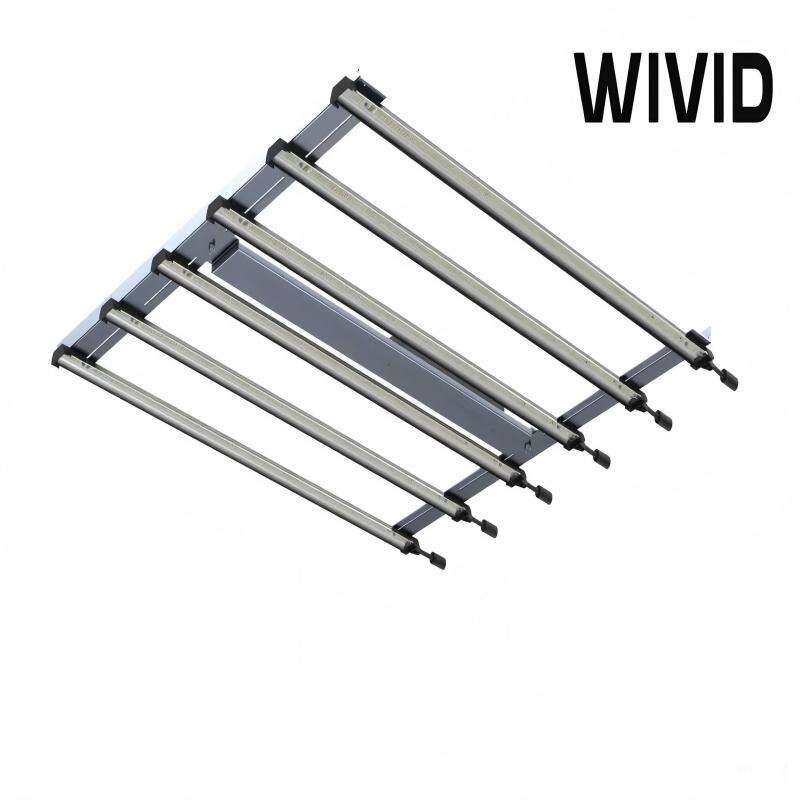
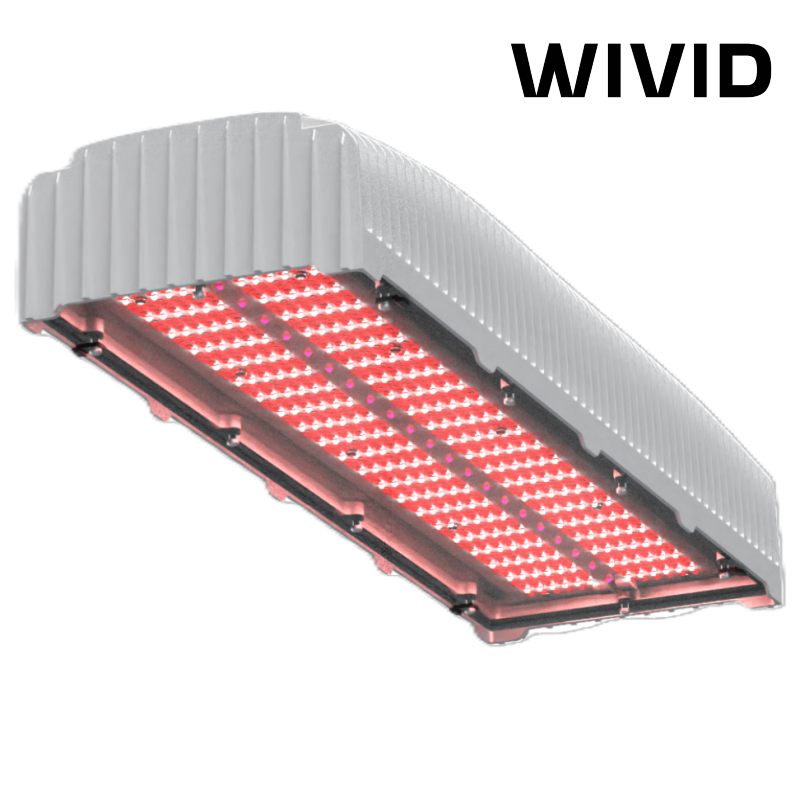
Horticulture led lights represent a revolutionary advancement in indoor farming and controlled environment agriculture. These specialized lighting systems are engineered to deliver optimal light spectrums that plants need for photosynthesis, growth, and development throughout their entire lifecycle. Unlike traditional lighting solutions such as high-pressure sodium or metal halide lamps, horticulture led lights utilize semiconductor technology to produce targeted wavelengths that plants absorb most efficiently. The main functions of these lighting systems include providing photosynthetically active radiation in the 400-700 nanometer range, delivering specific red and blue light ratios for vegetative and flowering stages, and maintaining consistent light intensity across the growing area. Technological features of modern horticulture led lights include full-spectrum capabilities that mimic natural sunlight, adjustable intensity controls for different growth phases, superior energy efficiency with conversion rates exceeding 2.7 micromoles per joule, extended operational lifespans reaching 50,000 hours or more, and reduced heat emission that minimizes cooling requirements. Many advanced systems incorporate smart controls, allowing growers to program light schedules, adjust spectral output, and monitor performance remotely through mobile applications or computer interfaces. The applications of horticulture led lights span across commercial greenhouse operations, vertical farming facilities, research laboratories, home gardening setups, and cannabis cultivation centers. These systems prove particularly valuable in regions with limited natural sunlight, urban environments where space is constrained, and operations requiring year-round production cycles. Horticulture led lights enable growers to cultivate crops in basements, warehouses, shipping containers, and other non-traditional spaces. They support the production of leafy greens, herbs, tomatoes, peppers, strawberries, flowers, and medicinal plants with remarkable consistency and quality.


New Products

The advantages of horticulture led lights make them an increasingly popular choice for both commercial growers and hobbyist gardeners seeking reliable, cost-effective solutions. First and foremost, these lighting systems dramatically reduce energy consumption compared to conventional grow lights. While traditional high-pressure sodium lamps convert only about 30 percent of electricity into usable light, horticulture led lights achieve efficiency rates of 40 to 50 percent or higher, translating to substantial savings on monthly utility bills. This efficiency becomes even more significant in large-scale operations where hundreds or thousands of fixtures run continuously. Beyond energy savings, horticulture led lights generate significantly less heat than older technologies, which means growers spend less on air conditioning and ventilation systems to maintain ideal growing temperatures. The cooler operating temperature also allows fixtures to be positioned closer to plant canopies without causing heat stress or leaf burn, maximizing light absorption and promoting compact, healthy growth patterns. Another practical benefit involves the extended lifespan of these systems. Quality horticulture led lights typically operate for 50,000 hours or more before requiring replacement, compared to 10,000 to 20,000 hours for traditional bulbs. This longevity reduces maintenance costs, minimizes downtime, and eliminates the frequent bulb replacement cycles that disrupt growing operations. The spectral customization capability of horticulture led lights provides growers with unprecedented control over plant development. By adjusting the ratio of red, blue, and other wavelengths, cultivators can influence stem elongation, leaf expansion, flowering timing, and even nutritional content in harvested crops. This level of precision was simply impossible with fixed-spectrum traditional lighting. Environmental benefits also deserve consideration. Horticulture led lights contain no mercury or other hazardous materials found in fluorescent and HID lamps, making disposal safer and more environmentally responsible. The reduced energy consumption directly translates to lower carbon emissions, supporting sustainable agriculture practices. Installation and operation prove straightforward with modern horticulture led lights. Most systems feature plug-and-play designs, require no ballasts or external drivers, and operate silently without the buzzing or humming associated with older lighting technologies. The instant-on capability means no warm-up period is needed, and lights can be cycled on and off without degrading performance or shortening lifespan.

Latest News

Energy Savings and Spectral Precision

14

Jan

Energy Savings and Spectral Precision

Discover how horticultural LED lighting cuts energy use by up to 50% while boosting plant growth with optimized spectra. Reduce TCO and enhance sustainability. Learn more today.
View More
Introduction to Photosynthetically Active Radiation (PAR)

14

Jan

Introduction to Photosynthetically Active Radiation (PAR)

Discover how Photosynthetically Active Radiation (PAR) boosts photosynthesis, growth, and yields. Learn to optimize LED lighting for energy efficiency and crop quality. Read more.
View More
Comprehensive Light Planning in Controlled Environment Agriculture

12

Mar

Comprehensive Light Planning in Controlled Environment Agriculture

Maximize crop yield with precise PPFD planning. Discover how 3D light simulations improve uniformity, reduce waste, and boost photosynthesis. Get your free lighting guide.
View More
The Grow Light Spectrum

15

Jan

The Grow Light Spectrum

Maximize photosynthetic efficiency and yields with science-backed grow light spectra. Discover how blue, red, and full-spectrum lighting affect plant growth. Learn more.
View More

Get a Free Quote

Our representative will contact you soon.
Email
Mobile
Country/Region
Name
Message
0/1000

horticulture led lights

Optimized Spectral Output for Maximum Plant Growth

Optimized Spectral Output for Maximum Plant Growth

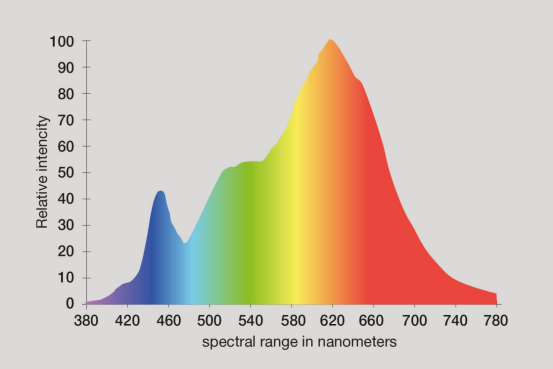
The spectral output capabilities of horticulture led lights represent perhaps their most significant advantage over traditional growing solutions. Plants have evolved to utilize specific wavelengths of light for photosynthesis and various developmental processes, and horticulture led lights deliver precisely these wavelengths with remarkable efficiency. The blue light spectrum, typically ranging from 400 to 500 nanometers, plays a crucial role during vegetative growth stages by promoting compact, bushy plant structures, encouraging strong root development, and regulating stomatal opening for optimal gas exchange. Red light wavelengths between 600 and 700 nanometers drive photosynthesis most efficiently and prove essential during flowering and fruiting phases, influencing bloom timing, flower size, and fruit development. Advanced horticulture led lights combine these primary wavelengths with supplemental spectrums including far-red light for shade avoidance responses, green light for deeper canopy penetration, and ultraviolet wavelengths that can enhance secondary metabolite production in certain crops. This spectral flexibility allows growers to create customized light recipes tailored to specific plant species and growth objectives. For example, leafy greens like lettuce and spinach thrive under blue-heavy spectrums that produce compact heads with vibrant coloration, while fruiting crops such as tomatoes and peppers benefit from increased red light ratios during reproductive stages. The ability to adjust spectral output throughout the growing cycle means a single set of horticulture led lights can support plants from seedling to harvest, eliminating the need for multiple lighting systems. Research has demonstrated that optimized spectral combinations can reduce growing times by 20 to 30 percent compared to traditional lighting, increase yields by similar margins, and improve nutritional content including vitamin levels and antioxidant concentrations. Some sophisticated horticulture led lights incorporate programmable controllers that automatically adjust spectral output based on time of day, plant age, or environmental conditions, mimicking natural sunrise and sunset transitions that can reduce plant stress and improve overall health. This technological sophistication transforms lighting from a simple illumination tool into a precision growing instrument that gives cultivators unprecedented control over crop quality and production timing.
Superior Energy Efficiency and Operational Cost Savings

Superior Energy Efficiency and Operational Cost Savings

Energy efficiency stands as one of the most compelling reasons growers transition to horticulture led lights, particularly as electricity costs continue rising and sustainability becomes increasingly important. The fundamental physics behind LED technology allows these systems to convert electrical energy into light far more effectively than incandescent, fluorescent, or high-intensity discharge alternatives. Traditional high-pressure sodium lamps, long considered the industry standard for commercial growing, waste approximately 70 percent of consumed electricity as heat rather than usable light. In contrast, quality horticulture led lights achieve photosynthetic photon efficacy ratings of 2.5 to 3.0 micromoles per joule or higher, meaning they produce two to three times more plant-usable light per watt of electricity consumed. For a commercial greenhouse operation running 1000 watts of lighting for 16 hours daily, switching from HPS to horticulture led lights can reduce electricity consumption by 40 to 50 percent, translating to thousands of dollars in annual savings. These savings compound over the multi-decade lifespan of LED fixtures. The reduced heat output of horticulture led lights creates additional cost savings that often exceed the direct energy reductions. Traditional grow lights generate so much heat that commercial operations must invest heavily in HVAC systems to maintain optimal growing temperatures, sometimes spending as much on cooling as on lighting itself. Horticulture led lights produce minimal heat, allowing growers to reduce or eliminate supplemental cooling requirements, downsize ventilation systems, and maintain more stable environmental conditions with less energy input. In some climates and seasons, the reduced heat load can even eliminate the need for air conditioning entirely. The cooler operating temperature also extends the lifespan of other equipment in the growing environment and reduces stress on plants. Beyond direct operational savings, horticulture led lights offer financial advantages through reduced maintenance requirements. The 50,000-plus hour lifespan means fixtures installed today may not need replacement for 10 to 15 years under typical growing schedules, compared to annual or biannual bulb replacements with traditional systems. This longevity eliminates labor costs associated with changing bulbs, reduces inventory requirements for replacement parts, and minimizes production disruptions caused by lighting failures. Many utility companies and government agencies now offer rebates and incentives for agricultural operations that upgrade to energy-efficient lighting, further improving the return on investment for horticulture led lights.
Precise Environmental Control and Smart Growing Capabilities

Precise Environmental Control and Smart Growing Capabilities

Modern horticulture led lights have evolved far beyond simple on-off switches to become sophisticated environmental control tools that integrate seamlessly with smart growing systems. This technological advancement gives cultivators unprecedented ability to fine-tune growing conditions, automate complex lighting schedules, and respond dynamically to plant needs throughout the cultivation cycle. Dimming capabilities allow growers to adjust light intensity from zero to 100 percent, matching output to plant requirements at different growth stages, conserving energy during periods when full intensity is unnecessary, and gradually ramping intensity up or down to simulate natural dawn and dusk transitions that reduce plant stress. This dimming functionality proves particularly valuable for young seedlings that require lower light levels, for acclimatizing plants before transplanting, and for managing daily light integral targets in greenhouse operations where supplemental lighting works alongside natural sunlight. Advanced horticulture led lights incorporate programmable controllers that can execute complex lighting schedules automatically, adjusting intensity, spectrum, and photoperiod based on time of day, plant age, or sensor inputs. Some systems connect to environmental monitoring equipment, automatically increasing light output on cloudy days or reducing intensity when temperatures rise too high, creating a responsive growing environment that optimizes conditions without constant human intervention. Wireless connectivity and smartphone applications allow growers to monitor and control horticulture led lights remotely, checking system status, adjusting settings, and receiving alerts about potential issues from anywhere with internet access. This remote management capability proves invaluable for commercial operations with multiple growing locations, for troubleshooting problems outside normal business hours, and for implementing immediate adjustments based on crop observations. Data logging features track energy consumption, operating hours, and performance metrics over time, providing insights that help growers optimize their lighting strategies and identify opportunities for further efficiency improvements. Integration with complete grow room automation systems allows horticulture led lights to work in concert with irrigation controllers, climate control systems, and nutrient delivery equipment, creating holistic growing environments where all parameters work together harmoniously. Some cutting-edge systems even incorporate artificial intelligence algorithms that learn from growing outcomes and automatically adjust lighting parameters to maximize yields, improve quality, or achieve specific cultivation goals. This level of precision and automation was simply impossible with traditional lighting technologies and represents a fundamental shift in how controlled environment agriculture operates.