supplemental lighting in greenhouse
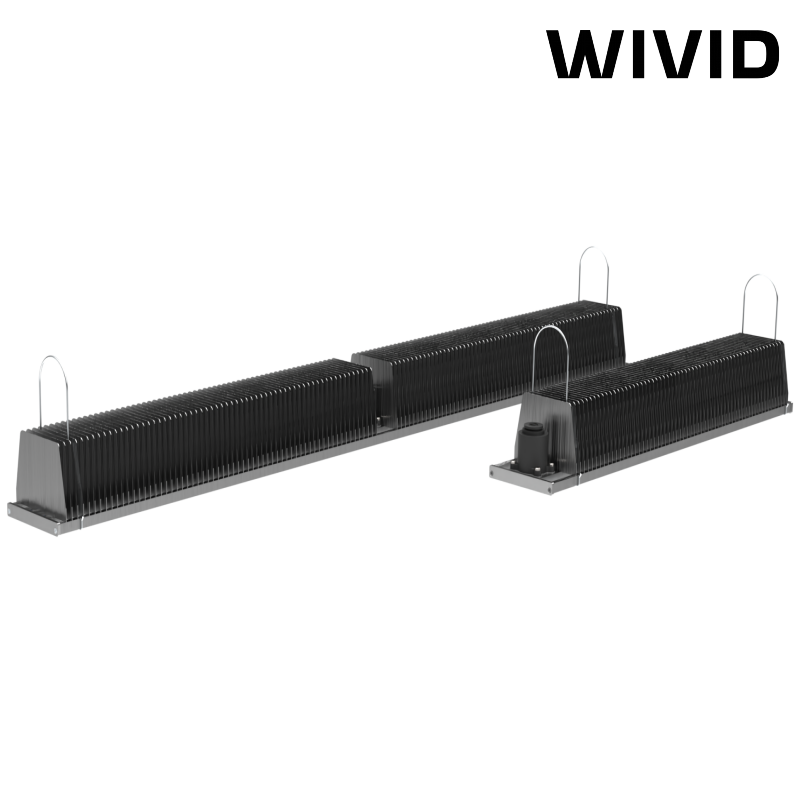
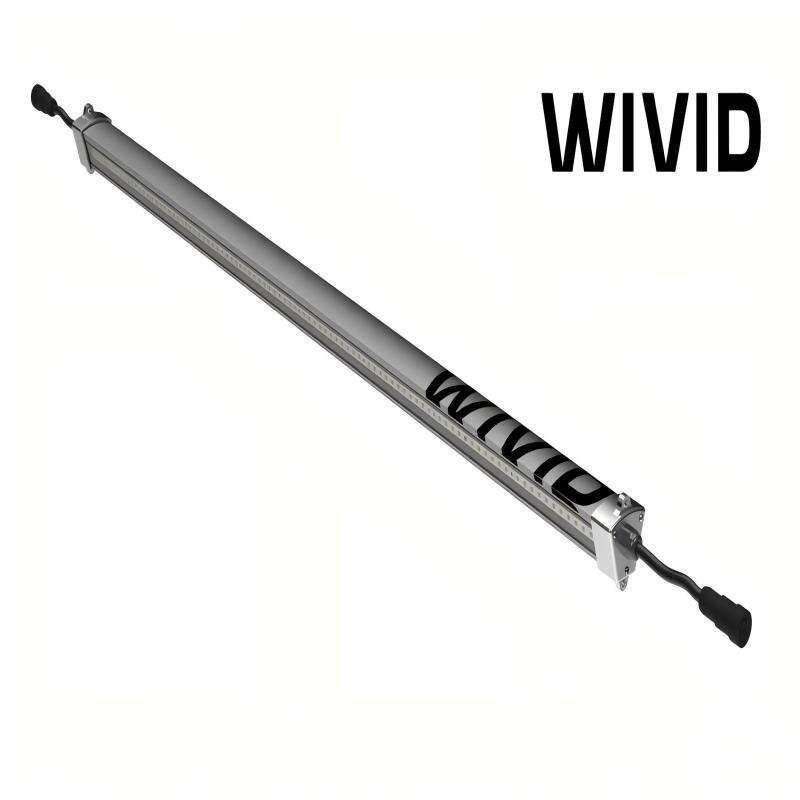
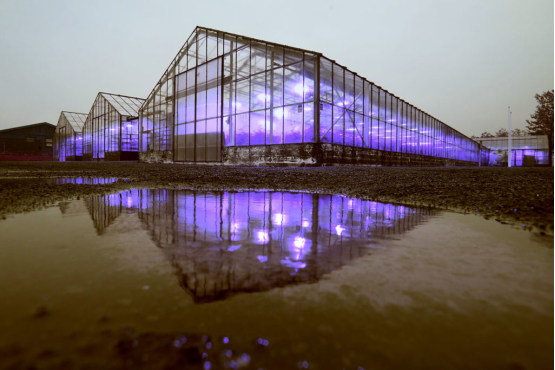
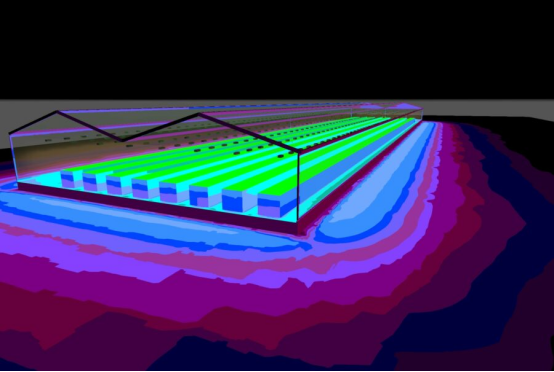
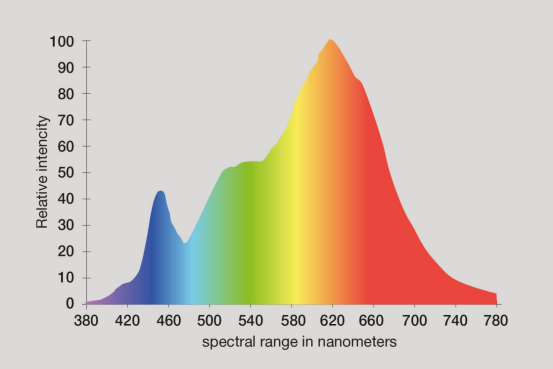
Supplemental lighting in greenhouse operations has emerged as a transformative technology that addresses the fundamental challenge of insufficient natural light during winter months, cloudy days, and in regions with limited sunlight exposure. This innovative solution involves the strategic installation of artificial light sources within greenhouse structures to optimize photosynthesis, extend growing seasons, and maximize crop yields regardless of external weather conditions. The primary function of supplemental lighting in greenhouse environments centers on providing plants with the precise light spectrum they require for healthy development. Modern systems deliver targeted wavelengths that plants absorb most efficiently, particularly in the blue and red spectrum ranges, which are essential for vegetative growth and flowering respectively. These lighting solutions work in harmony with natural sunlight, automatically adjusting intensity and duration based on ambient light levels to maintain optimal conditions throughout the day. Technological features of contemporary supplemental lighting in greenhouse applications include advanced LED technology, smart sensors, programmable controllers, and energy-efficient designs that minimize operational costs while maximizing plant health benefits. The integration of photoperiod control allows growers to manipulate day length artificially, triggering specific growth responses in photoperiodic crops and enabling year-round production of seasonal varieties. Applications span across commercial vegetable production, ornamental plant cultivation, seedling propagation, and research facilities where consistent environmental conditions are paramount. Greenhouse operators utilize supplemental lighting in greenhouse setups to maintain competitive advantages by producing high-quality crops during off-season periods when market prices peak. The technology proves particularly valuable for leafy greens, tomatoes, cucumbers, peppers, herbs, and flowering plants that demand consistent light exposure for optimal development. Implementation ranges from small-scale hobby greenhouses to expansive commercial operations spanning multiple acres, demonstrating the scalability and versatility of modern lighting systems designed specifically for controlled environment agriculture.

 EN
EN