Programmable Automation and Intelligent Control Systems
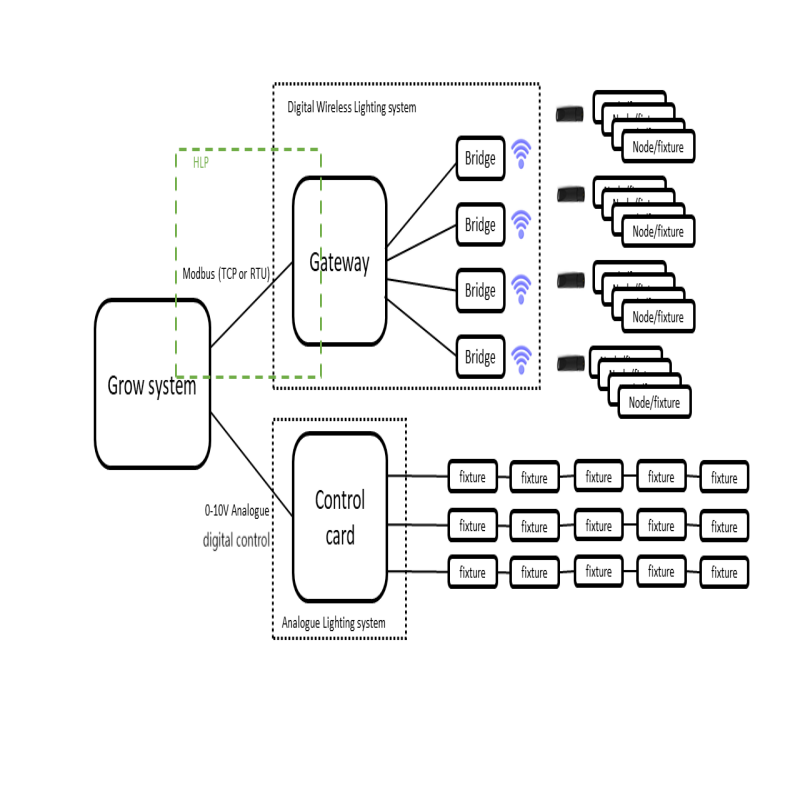
The integration of sophisticated programmable features and intelligent control systems elevates modern tomato seedlings grow lights from simple illumination tools to comprehensive growing management platforms. These advanced capabilities automate critical cultivation tasks, ensuring optimal conditions without constant manual oversight while providing flexibility to adjust parameters as seedling requirements evolve. Programmable timer functions represent the foundational automation feature, allowing you to establish precise photoperiods that match natural day-night cycles or extend light exposure to accelerate growth rates. Tomato seedlings typically thrive under 14-16 hour photoperiods during early development, and quality grow lights maintain these schedules automatically, switching on and off at designated times without any daily intervention required. This consistency proves crucial for seedling health, as irregular light schedules disrupt circadian rhythms and stress young plants, compromising development and transplant success rates. Advanced tomato seedlings grow lights incorporate dimming capabilities that enable gradual intensity adjustments throughout each photoperiod, simulating natural sunrise and sunset transitions that reduce plant stress. Rather than abrupt illumination changes that shock seedlings, programmable dimming creates gentle transitions that plants process more naturally. Some premium systems feature multi-stage programming that automatically adjusts both spectrum and intensity as seedlings progress through developmental phases, providing germination-optimized settings initially, then transitioning to vegetative growth parameters as true leaves emerge. This intelligent progression eliminates guesswork, applying research-backed lighting protocols that maximize seedling quality without requiring specialized horticultural knowledge. Smart sensor integration distinguishes cutting-edge tomato seedlings grow lights from conventional alternatives, with temperature, humidity, and even soil moisture sensors feeding data to onboard controllers that adjust light output dynamically. If ambient temperatures rise excessively, intelligent systems can reduce light intensity to minimize additional heat generation, protecting seedlings while maintaining adequate photon delivery. Integration with mobile applications and wireless connectivity enables remote monitoring and control, allowing commercial growers to manage multiple growing areas from centralized control points or home gardeners to adjust settings while away from their growing spaces. Push notifications alert users to potential issues, such as equipment malfunctions or environmental parameters drifting outside acceptable ranges, enabling prompt corrective action before seedling quality suffers. The data logging capabilities built into sophisticated tomato seedlings grow lights provide valuable insights into growing performance over time, tracking energy consumption, photoperiod compliance, and environmental conditions that correlation with seedling outcomes. This information empowers continuous improvement, helping growers refine their protocols and identify optimal settings for specific tomato varieties or growing space characteristics.

 EN
EN